Padel & Pickleball Courts
in Arkansas
Planning a padel or pickleball court in Arkansas? Apex Padel supplies premium European padel court systems and supports commercial pickleball developments throughout the state. We help sports clubs, property developers, hospitality businesses and private clients...
Premium Courts.
Built for Arkansas.
Planning a padel or pickleball court in Arkansas? Apex Padel supplies premium European padel court systems and supports commercial pickleball developments throughout the state. We help sports clubs, property developers, hospitality businesses and private clients select suitable court specifications, assess construction requirements and coordinate projects with experienced professionals.
From recreational facilities in Little Rock to commercial developments across Northwest Arkansas, the right court depends on the property, intended use and local conditions. Apex helps bring these considerations together before equipment is ordered or construction begins.
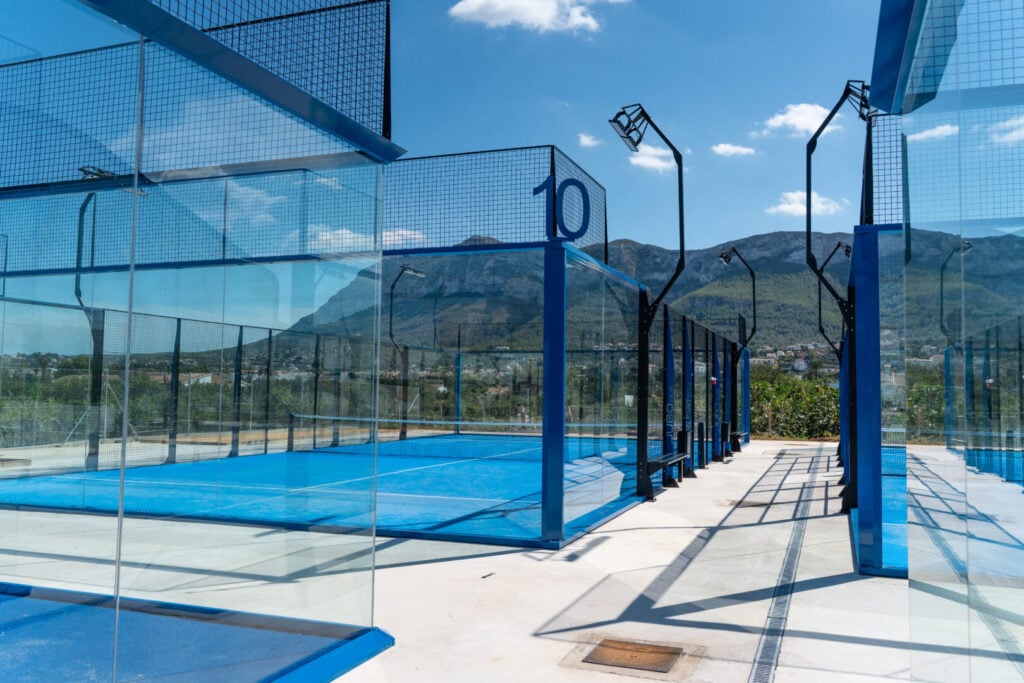
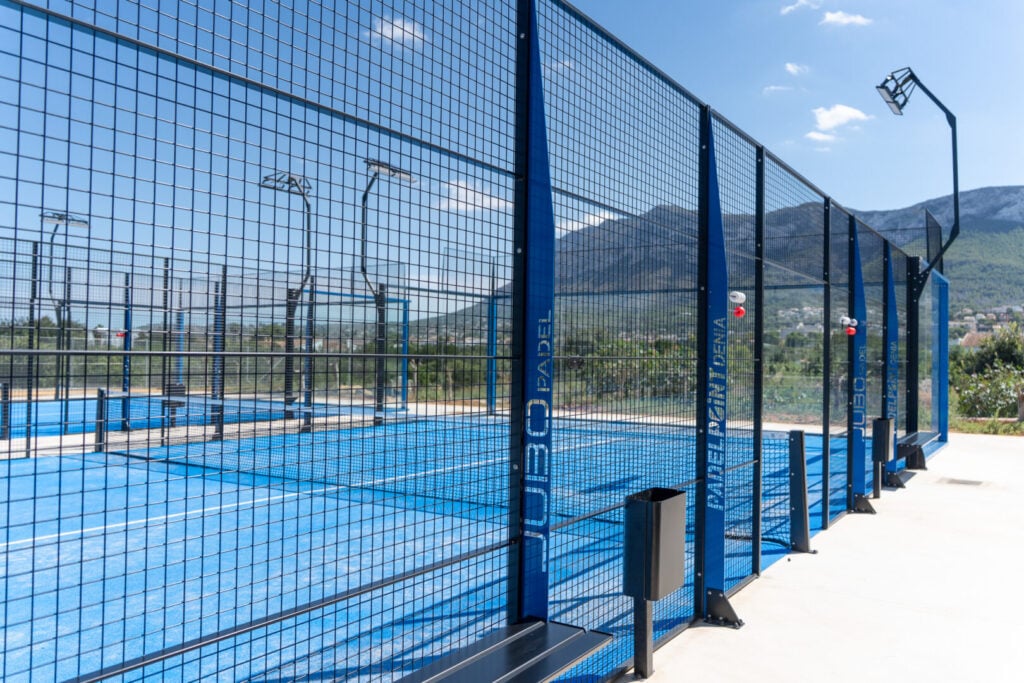
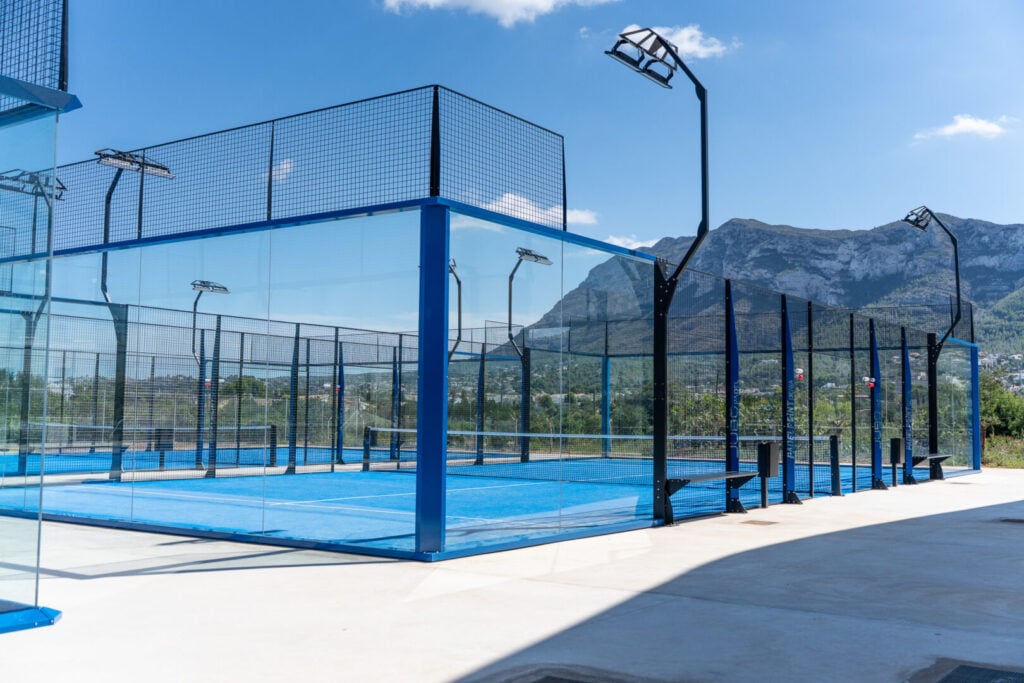
Explore Our Court Systems
Premium courts for commercial and private developments.
Padel & Pickleball in Arkansas
Arkansas offers a varied setting for padel and pickleball developments. Little Rock is the state's principal metropolitan center, while Northwest Arkansas includes Fayetteville, Bentonville and Rogers. Hot Springs provides a different setting, with established hospitality, tourism and lakeside recreational properties.
Climate and terrain also vary across the state. Much of Arkansas experiences hot, humid summers and substantial rainfall. The Ozark and Ouachita regions introduce additional considerations involving slopes, drainage and site preparation.
Different Regions Require Different Court Specifications
A commercial development in Little Rock may involve adapting an existing recreational facility or building a new sports venue. A property in Northwest Arkansas might require additional grading or drainage where the land is uneven, while a resort or private installation near Hot Springs may need to account for its relationship with surrounding hillsides or waterways.
These differences should influence the court layout, foundations, materials and construction approach.
Understanding Existing Recreational Facilities
Pickleball is already part of Arkansas recreation. Little Rock provides public courts at Kanis Park, Fayetteville has invested in dedicated courts at Walker Park, and Bentonville offers courts and organized tournaments at Creekside Park.
These examples demonstrate existing participation, but a commercial development still needs to investigate local demand, competing facilities and the intended audience before committing to construction.
Padel Courts in Arkansas
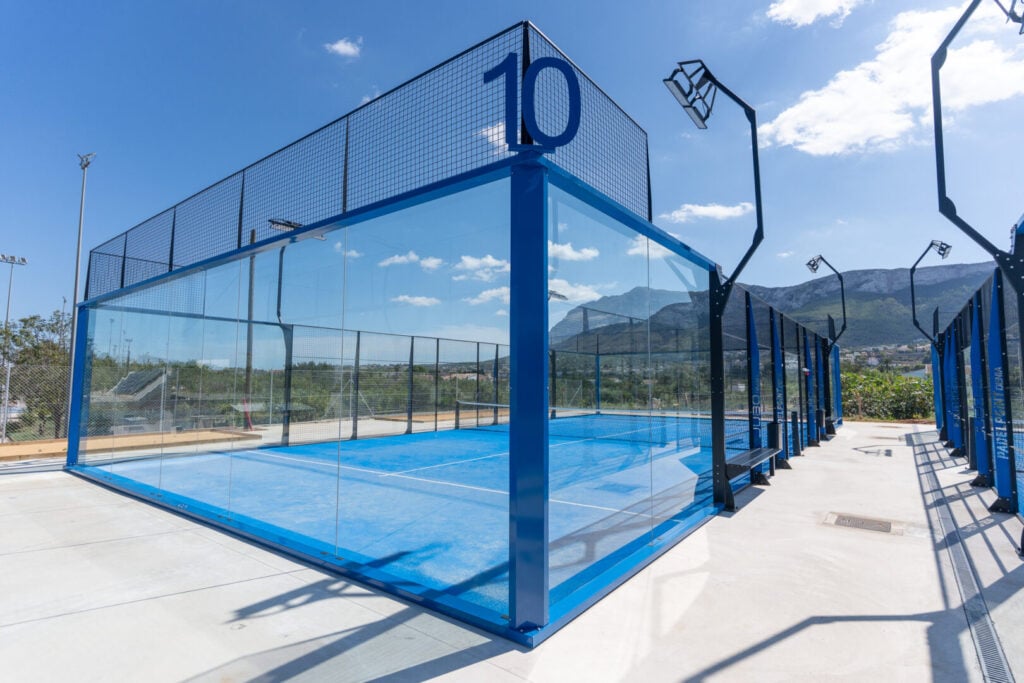
Apex supplies premium European-engineered padel courts for private and commercial developments across Arkansas. Our padel court range includes panoramic, glass, indoor, covered and high-wind systems for different playing environments.
Outdoor Padel Court Construction
Outdoor padel courts can suit sports clubs, commercial venues, suitable residential developments and private properties. The enclosure incorporates structural steelwork and glass, making appropriate foundations and anchoring essential.
Arkansas receives substantial rainfall, and thunderstorms can produce heavy downpours and strong winds. Outdoor projects should therefore account for drainage, surface levels and site-specific structural requirements.
Indoor and Covered Padel Courts
Covered courts may provide additional protection from rainfall and direct sunlight. They can be worth considering for clubs seeking greater flexibility over playing schedules, although the supporting structure must be engineered for the intended location.
Indoor padel offers another option for commercial operators. Existing sports buildings and suitable commercial properties may provide opportunities for conversion where adequate clear height, suitable foundations, ventilation and access can be provided.
Apex helps clients assess these requirements and coordinates specifications with the manufacturer and appropriate installation professionals. Learn more about our court project process.
Pickleball Courts in Arkansas
Arkansas already has an established pickleball community, with public courts, recreational programs and indoor facilities across several cities.
Apex supports commercial pickleball court projects, helping clients evaluate new playing surfaces, purpose-built courts, multi-court layouts and the conversion of suitable existing facilities.
Planning New Pickleball Courts
A regulation pickleball court measures 20 by 44 feet. For new construction, an overall playing surface of approximately 34 by 64 feet is preferred to provide appropriate space beyond the marked court.
Commercial venues may require additional room for circulation, waiting areas, fencing, lighting and supporting amenities. These requirements should be included in the initial site plan rather than considered after the courts have been positioned.
Converting Existing Tennis Courts
Existing tennis or multi-sport courts may be suitable for pickleball conversion where the foundations, playing surface and available dimensions allow.
A conversion might involve resurfacing, new markings, dedicated nets and changes to fencing or access. However, the condition of the underlying base and its ability to manage rainfall should be assessed before deciding whether conversion is appropriate.
Considering the Commercial Market
Existing public facilities can help demonstrate local participation, but they do not automatically establish demand for additional paid courts. Developers should investigate the intended customers, available playing opportunities, competition and operating costs before selecting the number of courts.
Our Court Options
Several padel court configurations may be suitable for developments in Arkansas.
- Panoramic padel courts: Suitable for premium sports clubs, commercial facilities and hospitality developments where appearance and visibility are important.
- Covered padel courts: Worth considering where additional shelter from rainfall and direct sunlight could improve playing comfort and availability.
- Indoor padel courts: An option for suitable sports buildings and commercial facilities seeking more consistent playing conditions.
- Glass padel courts: Appropriate for private and commercial developments prioritizing a professional playing environment.
Choosing a Court for the Actual Site
The most appropriate system depends on the location, exposure, intended use and available infrastructure. A covered outdoor court still requires suitable drainage and structural engineering, while an indoor facility needs an appropriate building and supporting services.
For exposed properties, our high-wind padel court systems may warrant consideration following site-specific engineering assessment.
Local Construction Requirements
Arkansas Rainfall and Stormwater
Arkansas experiences rainfall throughout the year, often accompanied by thunderstorms. Heavy downpours can create significant runoff, particularly where developments add new paved surfaces or alter existing drainage patterns.
Outdoor courts require appropriate foundations, surface levels and drainage systems. The surrounding property should also be assessed to establish how water will move away from the playing area without affecting neighboring land.
Summer Heat and Humidity
Summers across Arkansas can be hot and humid. Outdoor court operators should consider player comfort, court orientation, shade and the potential benefits of evening lighting.
Covered structures can provide some shelter from direct sunlight, while suitable indoor facilities offer greater control over the playing environment.
Thunderstorms and Structural Requirements
The National Weather Service identifies thunderstorms, strong winds, hail and occasional tornadoes as important weather hazards across Arkansas.
Padel court structures and covered facilities must be specified for the applicable structural requirements of their location. Foundations, anchoring and the surrounding glass enclosure should be assessed together by qualified professionals.
Ozark and Ouachita Terrain
The Ozark and Ouachita regions contain hills, valleys and properties with substantial changes in ground level. A site that appears to offer sufficient space may require excavation, grading, retaining structures or additional engineering before a level court can be constructed.
Developers should also consider access for construction equipment and the effects of changing existing slopes or drainage routes.
Floodplain Considerations
Properties near rivers, streams and low-lying areas may fall within designated flood hazard zones. Courts involving new paving, grading or structures can be subject to additional development requirements.
Property owners should check official FEMA flood mapping and confirm applicable local restrictions before beginning construction.
Planning and Permitting
Arkansas cities and counties administer different planning and construction requirements. Projects may involve zoning, building permits, grading, drainage, lighting and engineering reviews.
The relevant authority should be identified using the actual property address. A commercial project in Fayetteville may face different development procedures from an installation in Little Rock or Hot Springs.
Planning a Court in Arkansas?
Tell us about your site and the type of court you are considering. Our team can help you explore the options.
Types of Court Projects
Padel and pickleball courts can form part of several types of development throughout Arkansas.
- Racquet and sports clubs: Additional courts for memberships, coaching, leagues and recreational bookings.
- Commercial sports centers: Purpose-built facilities with multiple courts and supporting player amenities.
- Hotels and resorts: Recreational amenities designed to complement suitable hospitality properties.
- Residential communities and HOAs: Shared facilities with appropriate access, maintenance and operating arrangements.
- Private properties: Individual padel or pickleball courts where sufficient space and local approvals allow.
- Existing recreational facilities: Opportunities to add new sports or assess suitable surfaces for conversion.
Planning a Sustainable Commercial Facility
The intended audience should influence the number of courts, supporting infrastructure and operating model. A small private facility has different requirements from a commercial venue expecting regular bookings and organized events.
Operators should evaluate existing recreational provision, local competition and the costs of maintaining the facility before committing to development.
Explore our padel court projects for examples of different court configurations and installation environments.
Planning Your Court Project
Before investing in a padel or pickleball court in Arkansas, the proposed site should be reviewed for its physical suitability and construction requirements.
Initial Court Planning Checklist
- Available space: Confirm court dimensions, safety clearances, access routes and supporting amenities.
- Foundations: Assess existing surfaces, ground conditions and structural requirements.
- Drainage: Review rainfall runoff, site levels and any applicable floodplain restrictions.
- Site access: Establish how court components and installation equipment will reach the property.
- Lighting: Consider playing hours, electrical connections and potential effects on nearby properties.
- Indoor requirements: Assess clear height, flooring, ventilation and access where an existing building is being considered.
- Commercial operation: Allow for parking, circulation and other supporting facilities.
- Permits: Confirm local zoning, building and engineering approvals before construction begins.
Coordinating Court Supply and Installation
Apex helps clients assess suitable court systems and coordinate requirements with manufacturers and appropriate technical and installation professionals.
Early coordination helps ensure the court specification, foundations and wider site design are considered together. Read more about our court project process.
Padel & Pickleball Court Costs
The cost of installing padel or pickleball courts in Arkansas depends on the equipment specification, number of courts and construction requirements of the proposed property.
Factors Affecting Project Costs
- Court equipment: Different padel structures and pickleball surfaces involve different specifications and prices.
- Ground preparation: Excavation, grading, foundations and drainage can vary considerably between properties.
- Weather protection: Covered and indoor facilities introduce additional structural and building expenses.
- Lighting: Commercial sports lighting and electrical work should be included in the wider budget.
- Supporting facilities: Parking, fencing, player circulation and amenities may be required.
- Delivery and installation: Access, transport and professional construction services influence the final quotation.
Our padel court cost guide explains the main factors affecting pricing. For a quotation tailored to your Arkansas property, contact Apex Padel with details of the proposed facility.
Areas We Cover
Apex welcomes padel and pickleball court enquiries throughout Arkansas, including Little Rock, Fayetteville, Bentonville, Rogers and Hot Springs.
We can also discuss projects in other parts of the state, including Fort Smith, Jonesboro, Conway and surrounding communities.
Our individual city pages provide more focused information about local construction considerations, recreational facilities and potential court configurations. Contact Apex to discuss the requirements of your proposed location.
Frequently Asked Questions
Planning padel and pickleball courts in Arkansas.
Are covered padel courts suitable for Arkansas weather?
Covered padel courts can provide additional protection from rainfall and direct sunlight, potentially improving playing comfort and reducing some weather-related disruption. However, the cover requires suitable structural engineering and does not provide the same environmental control as an enclosed building. Its suitability depends on the location and intended use.
Does Arkansas rainfall affect outdoor pickleball court construction?
Yes. Outdoor pickleball courts require suitable foundations, surface levels and drainage to manage rainfall and reduce standing water. The wider site should also be assessed for runoff and flood risk. The necessary construction approach depends on the existing ground conditions and proposed court surface.
Can an existing tennis court in Arkansas be converted for pickleball?
Some existing tennis courts can be adapted for pickleball where the playing area, surface condition, foundations and drainage are suitable. Conversion may involve resurfacing, new markings, net systems and changes to fencing or access. An assessment should establish whether the existing base can be reused.
Can Apex Padel coordinate court projects throughout Arkansas?
Apex supplies premium European padel court systems and supports commercial pickleball project planning. We help clients assess specifications and coordinate with manufacturers and appropriate installation professionals. The arrangements for each project depend on its location and construction requirements.
Explore More Locations
Ready to Start Your Padel Project?
Premium court systems, clear guidance and support from initial enquiry through to project delivery.
Get a Quote