Padel & Pickleball Courts
in Hartford, Connecticut
Planning a padel or pickleball court in Hartford, Connecticut? Apex Padel supplies premium European padel court systems and supports commercial pickleball developments for sports clubs, developers and property owners.Hartford offers opportunities involving existing recreational buildings,...
Premium Courts.
Built for Hartford, Connecticut.
Planning a padel or pickleball court in Hartford, Connecticut? Apex Padel supplies premium European padel court systems and supports commercial pickleball developments for sports clubs, developers and property owners.
Hartford offers opportunities involving existing recreational buildings, commercial properties and suitable new sports facilities. However, a viable court project depends on available space, zoning, building suitability and the intended customer base. Apex helps clients evaluate appropriate specifications and coordinate technical requirements with manufacturers and installation professionals.
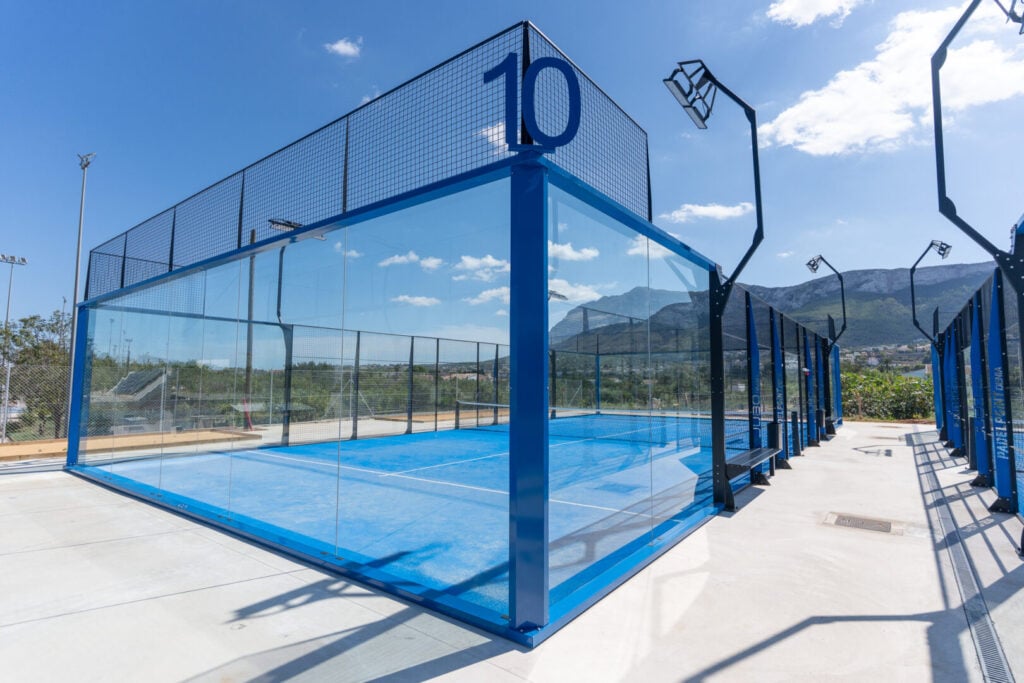
Explore Our Court Systems
Premium courts for commercial and private developments.
Padel & Pickleball in Hartford, Connecticut
Hartford is Connecticut's capital and an important center for employment, education, healthcare and commercial activity. Its established neighborhoods and existing buildings provide a different setting for racquet sports development from the state's coastal residential communities.
Potential projects may involve suitable commercial properties, indoor sports facilities or additional recreational amenities. The available space, nearby buildings and proposed operating model should influence the design from the outset.
Hartford's Existing Recreation Infrastructure
The City of Hartford operates an established park system including Colt Park, Goodwin Park, Keney Park and Pope Park.
Goodwin Park includes tennis courts and other sports facilities, while Pope Park provides recreational fields and a community recreation center. These venues demonstrate existing sporting infrastructure, although they should not automatically be described as dedicated pickleball facilities.
Pickleball in the Greater Hartford Area
Greater Hartford includes separate municipalities with their own recreational programs and court facilities.
For example, East Hartford Parks and Recreation lists pickleball courts at Hockanum Park. West Hartford also has established outdoor pickleball locations, while private indoor facilities operate across surrounding towns.
These nearby opportunities are relevant when evaluating a regional commercial venue, but they should not be confused with facilities inside Hartford city limits.
Considering an Indoor Sports Facility
Hartford contains a range of commercial and institutional buildings. Some may offer opportunities for indoor racquet sports conversion where the physical dimensions and planning requirements are suitable.
However, a building's previous commercial use does not guarantee that padel or pickleball can be accommodated. Clear height, structural support, access, ventilation and occupancy requirements should be established before committing to a property.
Commercial Court Market Assessment
A proposed sports venue should identify its intended audience, including whether it will serve local residents, employees, clubs or customers travelling from surrounding towns.
Existing recreational provision, indoor competition and customer access should all form part of the business assessment before choosing the number of courts.
Padel Courts in Hartford, Connecticut
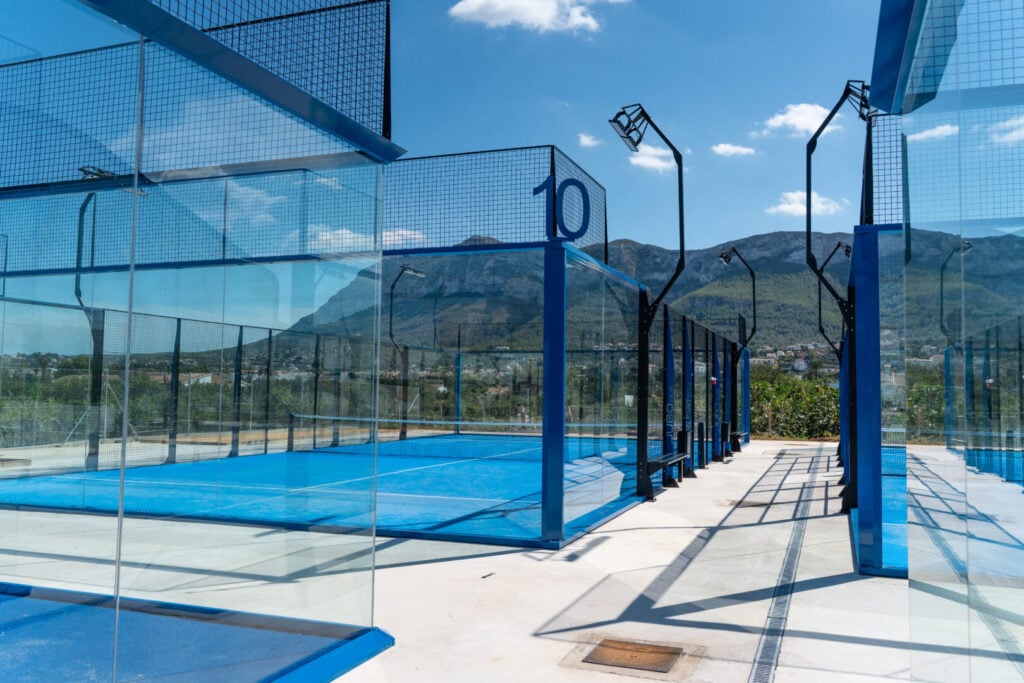
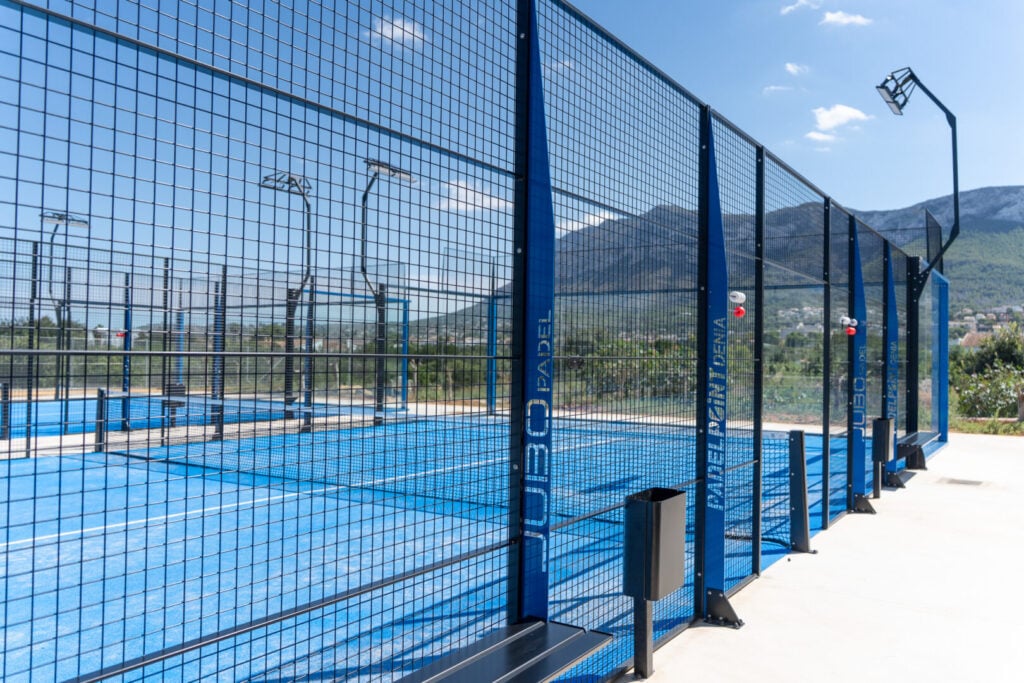
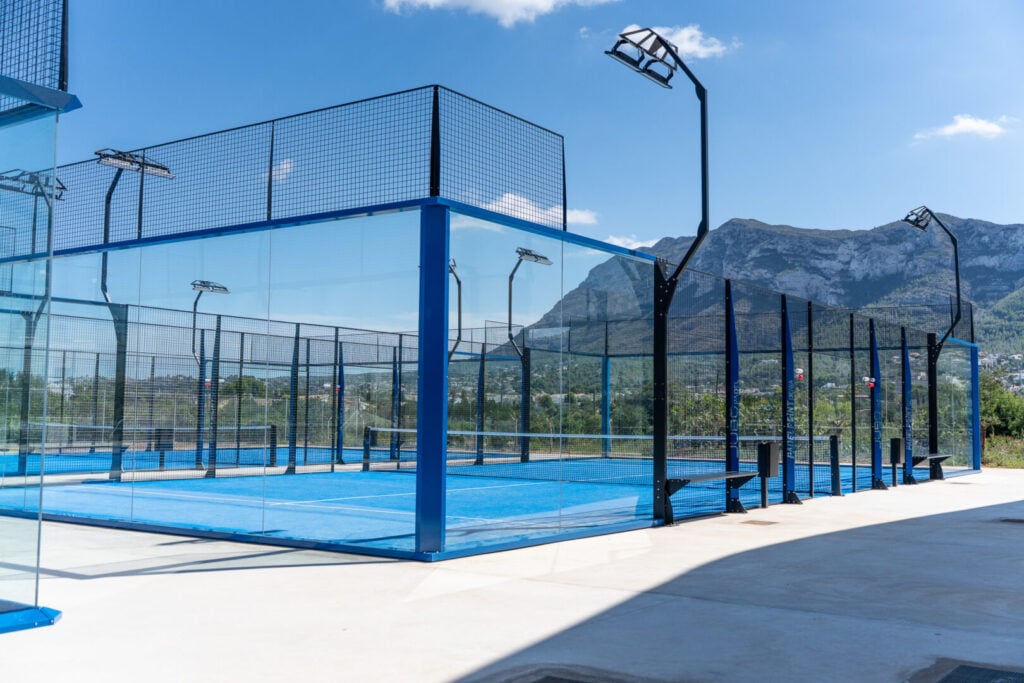
Apex supplies premium European-engineered padel courts for suitable commercial and private developments in Hartford. Our padel court range includes panoramic, glass, indoor and covered systems.
Indoor Padel in Hartford
Indoor padel may suit commercial operators seeking dependable playing conditions throughout Connecticut's winter.
Suitable existing sports buildings or commercial properties require adequate clear height, appropriate floors and foundations, lighting, ventilation and access for the enclosed steel and glass court structure.
For a building conversion, additional consideration may be needed for fire safety, accessibility, heating and the proposed recreational occupancy.
Explore our indoor padel court systems for further information.
Commercial Padel Clubs
A dedicated padel venue requires more than the playing enclosure. Commercial operators should consider bookings, reception space, player circulation, coaching, changing facilities and parking before deciding on court numbers.
Where an existing building contains structural columns or other obstructions, the arrangement of courts may need to be adapted or the property reconsidered.
Outdoor Padel Facilities
Outdoor courts may suit appropriate commercial and private properties where sufficient land and suitable foundations are available.
Hartford experiences seasonal freezing, snowfall and periods of heavy rain. Outdoor foundations, drainage and long-term maintenance should be planned around these conditions.
Padel structures must also be engineered for applicable wind loads, while covered facilities introduce additional requirements for snow loading.
Panoramic and Covered Courts
Panoramic padel courts may suit premium commercial facilities where court visibility and presentation are important.
Covered padel courts may provide additional weather protection, but the supporting structure must be suitable for the local environment.
Apex coordinates specifications and equipment supply with manufacturers, engineers and appropriate installation professionals. Read more about our project process.
Pickleball Courts in Hartford, Connecticut
Pickleball has an established presence across the Greater Hartford region, with municipal courts and private indoor options available in several surrounding towns.
Apex supports commercial pickleball court developments, including new playing surfaces, multi-court layouts and suitable conversions of existing recreational buildings.
Dedicated Indoor Pickleball
An indoor venue may offer more consistent playing conditions throughout winter and during periods of rain.
Existing gymnasiums or suitable commercial buildings can sometimes accommodate pickleball where the floor, dimensions and lighting are appropriate. Commercial conversions should also consider ventilation, acoustic conditions, accessibility and the building's permitted use.
Planning New Pickleball Courts
A regulation pickleball court measures 20 by 44 feet, while approximately 34 by 64 feet is preferred for the complete playing surface in new construction.
Commercial facilities also need space for safe circulation, seating, fencing, lighting and supporting amenities. The number of courts should reflect the expected usage and the financial plan rather than simply maximizing the available floor area.
Existing Sports Court Conversions
Hartford's public parks include tennis and multi-purpose sports infrastructure. Existing private or commercial recreational surfaces may also provide opportunities for pickleball conversion where the dimensions and foundation conditions are suitable.
However, a court should be assessed before new markings or surfacing are applied. Existing cracks, drainage problems and insufficient clearances may make substantial additional work necessary.
Regional Competition and Customer Access
Commercial operators should investigate court availability in Hartford and surrounding communities, including East Hartford, West Hartford and Newington.
A central Hartford location may serve a wider customer base, but this should be tested through research into travel patterns, pricing, demand and existing facilities.
Managing Noise in Urban Settings
Pickleball's distinctive impact sounds can be noticeable around residential and mixed-use properties. Indoor venues may also transmit sound to adjoining occupancies.
Court location, building acoustics, operating hours and possible mitigation should therefore form part of the initial design.
Our Court Options
Different court configurations may suit Hartford projects depending on available space and intended use.
- Indoor padel courts: Worth considering for suitable commercial building conversions and dedicated sports venues seeking year-round operation.
- Panoramic padel courts: Suitable for premium clubs where appearance and visibility are priorities.
- Glass padel courts: An option for commercial and private facilities seeking professional playing conditions.
- Covered padel courts: May provide additional weather protection where the site can accommodate a suitably engineered structure.
Choosing Between Existing Buildings and New Construction
Converting an existing building may avoid the need for an entirely new sports structure but can introduce significant alteration and occupancy costs.
New outdoor construction allows greater flexibility over layout where sufficient land is available, although foundations, drainage, structural engineering and seasonal maintenance remain important.
The appropriate approach depends on the property, business model and complete project budget.
Local Construction Requirements
Connecticut River Flood Risk
Hartford sits beside the Connecticut River, and some low-lying areas may be affected by mapped flood hazards.
Properties near the river, flood protection infrastructure or other drainage corridors should be assessed against current official mapping before extensive grading, paving or construction begins.
Flood risk can influence the position of courts, electrical equipment and supporting buildings. The presence of flood protection infrastructure should not be treated as confirmation that an individual property is free from risk.
Urban Drainage and New Hard Surfaces
Hartford contains extensive developed land and existing stormwater infrastructure. New courts can increase the amount of hard surfacing and change how water drains from a site.
Foundations, surrounding grading and drainage systems should be planned together to avoid creating standing water or directing runoff onto neighboring properties.
Winter Freezing and Court Maintenance
Connecticut's winter weather includes freezing temperatures, snow and repeated changes in ground moisture.
Outdoor courts require suitable foundation preparation and drainage to reduce the risk of cracking or surface movement. Snow removal and maintenance should be appropriate for the selected sports surface.
Existing Commercial and Industrial Properties
Some properties being considered for recreational redevelopment may have a history of commercial or industrial use.
Where there is evidence of past contamination, unsuitable fill or previous underground structures, environmental or geotechnical assessment may be appropriate before foundations are designed.
Such conditions should be investigated for the individual site rather than assumed to affect every commercial building in Hartford.
Planning and Zoning Reviews
Hartford's Department of Development Services administers planning and zoning applications, including zoning permits, site-plan reviews and special permits.
The city's published guidance explains that planning and zoning approvals are required before applicable building permits can be issued.
A new recreational use may require a zoning permit, while larger developments can involve site-plan review covering drainage, parking, traffic, lighting, screening and other features.
Hartford's Accela Permit System
Hartford accepts planning and zoning applications through its Accela portal. Developers can use the system to submit relevant applications and review existing records.
The city advises that new permanent uses should be submitted through the appropriate zoning permit application category.
For a proposed indoor sports conversion, early clarification of the recreational use and permitted occupancy is particularly important.
Special Permits and Public Review
Some developments require additional consideration through the Planning and Zoning Commission. Hartford's guidance explains that special permits can involve a public hearing and assessment of the proposed use's effects on surrounding properties.
Commercial courts near residential areas should consider noise, lighting, access and operating hours when preparing the proposal.
Inland Wetlands and Environmental Requirements
Hartford also administers relevant inland wetlands and watercourses reviews. Certain properties may require additional environmental approvals where construction could affect regulated areas.
Qualifying projects involving substantial land disturbance may also need compliance with Connecticut's construction stormwater regulations.
Building Permits and Commercial Conversions
Indoor racquet sports facilities may require building, fire-safety, accessibility, mechanical and electrical reviews.
Qualified professionals should assess the proposed property under Connecticut's current building standards before the court system is ordered or the building conversion begins.
Planning a Court in Hartford, Connecticut?
Tell us about your site and the type of court you are considering. Our team can help you explore the options.
Types of Court Projects
Padel and pickleball courts can support several types of Hartford development.
- Commercial indoor sports venues: Dedicated courts for bookings, coaching and memberships.
- Existing recreational centers: Additional racquet sports or suitable conversions of underused playing areas.
- Commercial property conversions: Indoor facilities where dimensions, structural conditions and land-use approvals allow.
- Residential communities: Shared facilities planned around access, maintenance and neighboring uses.
- Private properties: Individual courts where land and applicable approvals are suitable.
- Hospitality and leisure developments: Sports amenities incorporated into appropriate properties.
Assessing an Indoor Commercial Venue
For Hartford, the suitability of existing commercial space may be a significant consideration. Operators should assess floor area, clear height, structural loading, customer access and conversion costs before selecting a property.
Competition across Greater Hartford should also be researched because potential customers may already travel to facilities in surrounding towns.
Commercial Padel and Pickleball Demand
Padel and pickleball offer different playing experiences and require different facilities. A commercial operator should evaluate the target audience and expected bookings for each sport separately.
The presence of nearby recreational courts demonstrates activity in the region but does not guarantee demand for additional paid facilities in central Hartford.
Explore our padel court projects for examples of available systems and installation environments.
Planning Your Court Project
Before investing in a Hartford court development, the proposed property should be assessed for its physical and commercial suitability.
Initial Project Planning Checklist
- Available space: Confirm court dimensions, safe clearances and supporting facilities.
- Existing buildings: Assess clear height, flooring, structure, access and ventilation.
- Land use: Check the property's zoning and whether a recreational use is permitted.
- Flood risk: Review the property's relationship with the Connecticut River and mapped flood areas.
- Foundations: Assess existing surfaces, ground stability and frost-related requirements.
- Drainage: Plan for runoff, snowmelt and additional hard surfaces.
- Noise and lighting: Consider surrounding homes or other occupied buildings.
- Access: Plan equipment deliveries, customer parking and circulation.
- Approvals: Establish zoning, site-plan, building and relevant engineering requirements.
Coordinating Court Supply and Construction
Apex helps clients evaluate court specifications and coordinate technical requirements with manufacturers, engineers and appropriate installation professionals.
For an indoor commercial conversion, early assessment can help establish whether the building can accommodate the enclosed court structure and required customer facilities.
Learn more about our court project process.
Padel & Pickleball Court Costs
The cost of installing padel or pickleball courts in Hartford depends on the equipment, property and wider construction requirements.
Factors Affecting Project Costs
- Building conversions: Existing properties may require structural, flooring, mechanical and fire-safety improvements.
- Court specification: Padel enclosures and pickleball surfaces have different equipment and installation costs.
- Site preparation: Outdoor developments may need excavation, foundations and drainage.
- Land-use approvals: Zoning, site-plan and possible special-permit reviews can affect the project.
- Flood and drainage requirements: Certain properties may need additional engineering or mitigation.
- Noise and lighting: Urban venues may require acoustic measures or specialist sports lighting.
- Supporting amenities: Parking, access, restrooms and player circulation should be considered.
- Professional services: Engineering, permits and installation coordination form part of the total budget.
Our padel court cost guide explains the main pricing considerations. To discuss a Hartford project, contact Apex Padel with the proposed property and court numbers.
Areas We Cover
Apex welcomes enquiries throughout Hartford, including Downtown, Asylum Hill, Parkville, Frog Hollow, Sheldon Charter Oak, South Green, South End, North End and surrounding neighborhoods.
We can also discuss suitable developments in nearby West Hartford, East Hartford, Wethersfield, Newington and other Greater Hartford communities.
These municipalities have separate planning and permitting requirements. For broader regional information, visit our Connecticut padel and pickleball court supply page.
Frequently Asked Questions
Planning padel and pickleball courts in Hartford, Connecticut.
Can an existing commercial building in Hartford be converted into a padel facility?
Potentially, yes. Suitable commercial buildings may accommodate indoor padel where sufficient clear height, appropriate structural support, access and building services are available. Hartford's zoning, occupancy and building requirements must also be reviewed. A professional assessment should take place before committing to a conversion.
Are there pickleball facilities around Hartford?
Yes. The wider Greater Hartford area includes municipal and private pickleball facilities in several towns. For example, East Hartford Parks and Recreation lists courts at Hockanum Park. These facilities are outside Hartford city limits and should be considered as regional competition rather than counted as Hartford municipal courts.
What planning approvals are needed for court construction in Hartford?
Hartford administers zoning permits, site-plan reviews and special permits through its Department of Development Services. The city uses the Accela portal for applications and states that required zoning approvals must be obtained before applicable building permits. The necessary reviews depend on the property's location and proposed recreational use.
Can Apex Padel coordinate court projects in Hartford?
Apex supplies premium European padel courts and supports commercial pickleball project planning. We help clients evaluate specifications and coordinate with manufacturers and appropriate technical and installation professionals. Arrangements are determined for each project rather than through a claimed dedicated local installation office.
Ready to Start Your Padel Project?
Premium court systems, clear guidance and support from initial enquiry through to project delivery.
Get a Quote