Padel & Pickleball Courts
in Delaware
Planning a padel or pickleball court in Delaware? Apex Padel supplies premium European padel court systems and supports commercial pickleball developments throughout the state. We help sports clubs, property developers, hospitality businesses and private clients...
Premium Courts.
Built for Delaware.
Planning a padel or pickleball court in Delaware? Apex Padel supplies premium European padel court systems and supports commercial pickleball developments throughout the state. We help sports clubs, property developers, hospitality businesses and private clients assess court specifications, understand construction requirements and coordinate projects with appropriate professionals.
Delaware offers several different environments for court development, from urban commercial properties in Wilmington and Newark to recreational facilities around Dover, expanding residential communities in Middletown and coastal hospitality properties near Rehoboth Beach. The right court depends on the proposed site, intended use and local conditions rather than a single statewide installation approach.
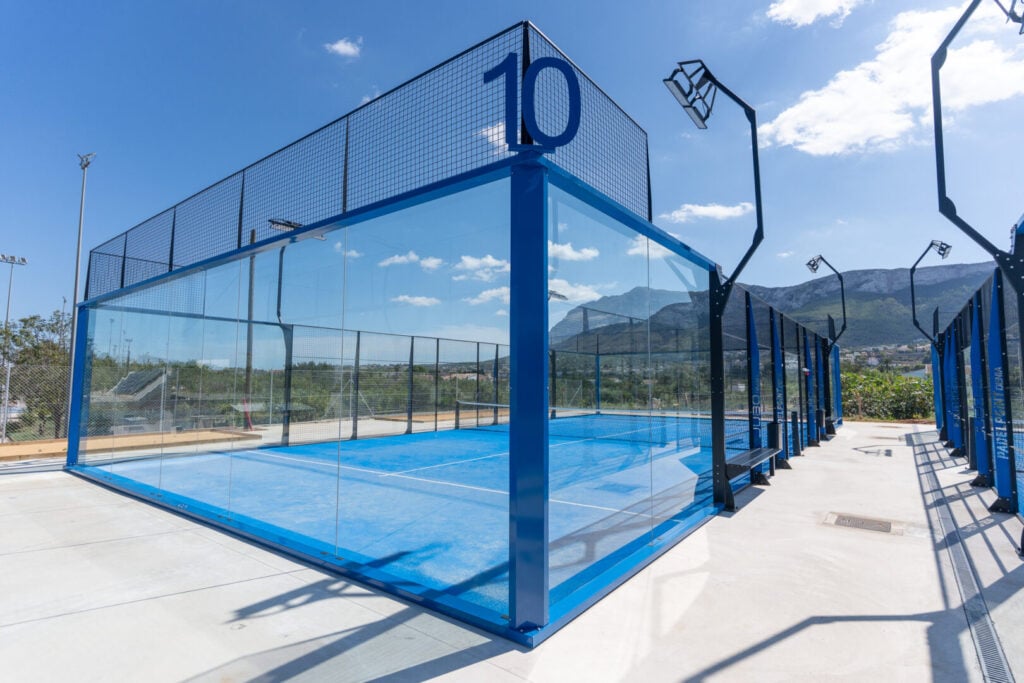
Explore Our Court Systems
Premium courts for commercial and private developments.
Padel & Pickleball in Delaware
Delaware's three counties provide a varied setting for recreational court construction. New Castle County includes established commercial centers and residential communities, Kent County offers a mixture of urban and suburban development, while Sussex County includes coastal resorts, agricultural land and growing residential areas.
Existing Pickleball Facilities Across Delaware
Delaware already has established public and private pickleball facilities. Wilmington's Riverfront includes the indoor Bounce Pickleball venue, while Newark opened dedicated courts at Old Paper Mill Road Park in November 2025.
Dover Park provides public pickleball opportunities, and Courtside Pickleball and Tennis Club operates an established membership-based facility in the capital. Middletown offers outdoor courts in the Silver Lake area alongside indoor recreational programming at Middletown Family YMCA.
These locations demonstrate existing participation and different operating models. However, commercial developers should investigate local court availability, competition and customer preferences before committing to construction.
Different Development Environments
An indoor venue in Wilmington may involve adapting existing commercial space, while a private installation near Rehoboth Beach could require detailed coastal engineering and development approvals.
Properties around Newark and Middletown may offer different options involving sports clubs, residential communities and suitable commercial land. The construction requirements should be established for the actual property before selecting the court system.
Commercial and Private Opportunities
Potential projects include dedicated racquet clubs, commercial sports centers, hotels, residential developments and private recreational courts. Each involves different priorities for court numbers, access, supporting facilities and long-term operation.
Padel Courts in Delaware
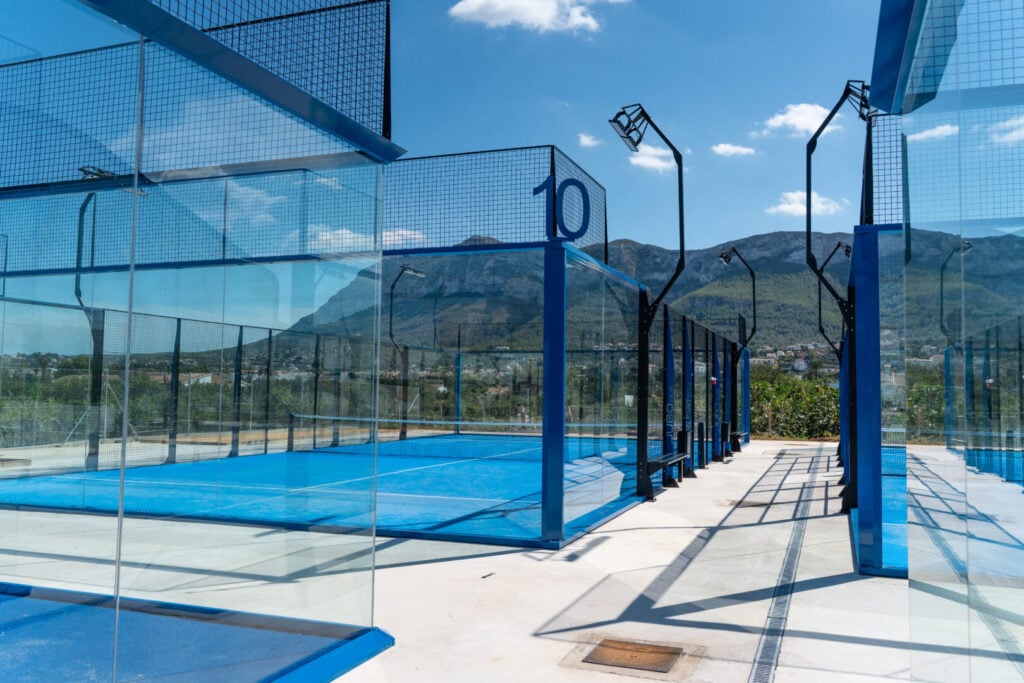
Apex supplies premium European-engineered padel courts for suitable private and commercial developments throughout Delaware. Our padel court range includes panoramic, glass, indoor, covered and high-wind systems.
Outdoor Padel Courts
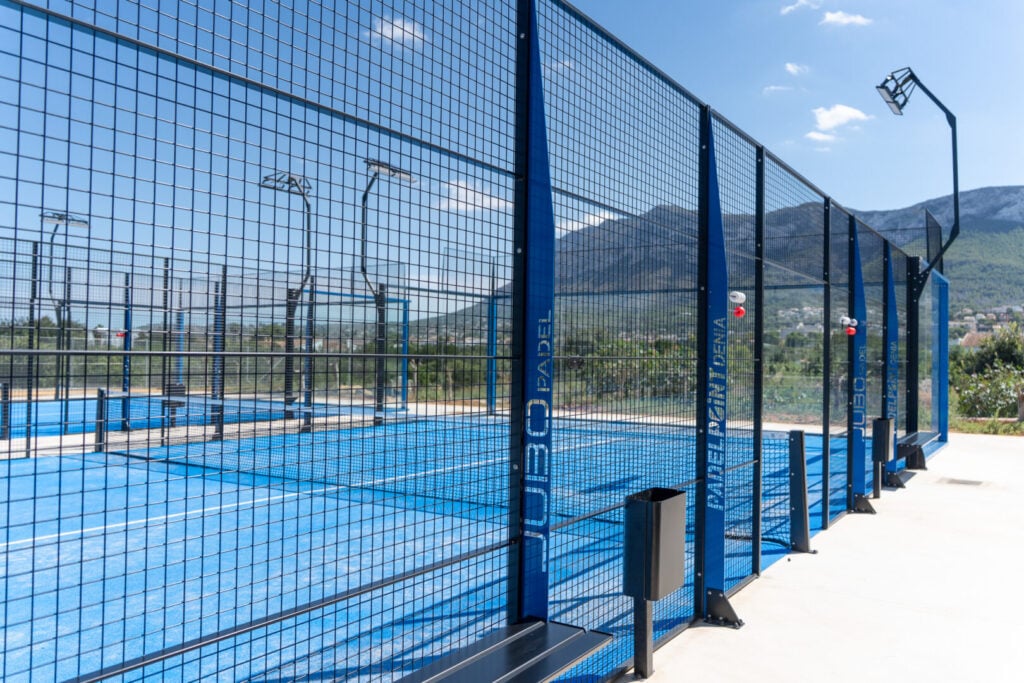
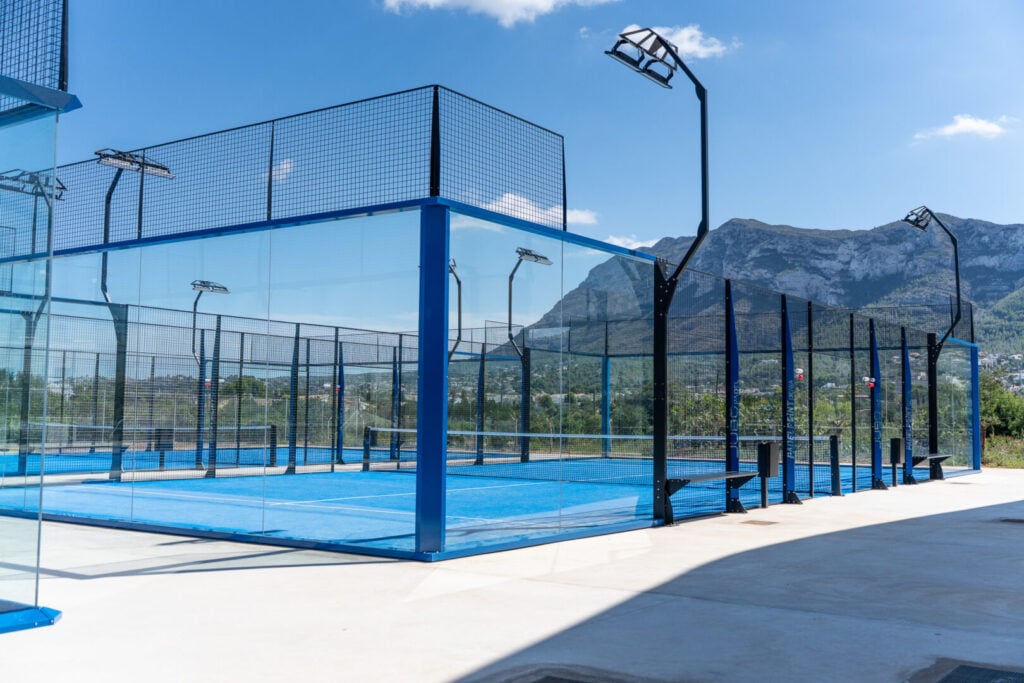
Outdoor padel courts may suit appropriate clubs, residential communities and private properties where sufficient land and suitable foundations are available.
The enclosed court incorporates steel framework and glass panels that depend on appropriate anchoring and structural support. Existing pavement should not automatically be considered suitable for a padel installation without engineering assessment.
Delaware's rainfall, seasonal freezing and occasional strong coastal storms make drainage and structural design important considerations for outdoor projects.
Indoor Padel Facilities
Indoor padel may appeal to commercial operators seeking more consistent playing conditions throughout winter and during periods of rain.
Existing sports buildings or commercial properties may provide conversion opportunities where sufficient clear height, suitable floor conditions, ventilation and installation access are available.
However, a building's current commercial use does not automatically mean it can accommodate an enclosed racquet court. Zoning, occupancy, accessibility and fire-safety requirements should be assessed before committing to a property.
Explore our indoor padel court options for further information.
Covered Courts and Weather Protection
Covered padel courts can provide additional shelter from rainfall and direct sunlight. However, the structure must be engineered for applicable wind and snow loads.
Properties close to Delaware's coast may require additional consideration of corrosion protection and storm exposure. A standard covered structure should not be assumed suitable for every location without professional assessment.
Apex helps coordinate court specifications with manufacturers, engineers and suitable installation professionals. Learn more about our court project process.
Pickleball Courts in Delaware
Pickleball is already part of Delaware's recreational offering, with dedicated public courts, shared sports facilities and membership-based clubs across the state.
Apex supports commercial pickleball court projects, helping clients evaluate new playing surfaces, multi-court layouts and suitable conversions of existing tennis or recreational facilities.
Planning New Pickleball Courts
A regulation pickleball court measures 20 by 44 feet, while an overall playing surface of approximately 34 by 64 feet is preferred for new construction.
Commercial facilities also require room for player circulation, fencing, seating, lighting and supporting amenities. The layout should reflect how the venue will operate rather than simply maximizing the number of courts.
Indoor Pickleball and Commercial Buildings
Delaware's existing indoor venues demonstrate how dedicated pickleball can be incorporated into suitable commercial buildings.
Indoor facilities may offer more predictable scheduling during winter, but building suitability, ventilation, acoustics, accessibility and ongoing energy costs should be investigated before development.
Converting Existing Tennis Courts
Some tennis or multi-sport courts may be suitable for pickleball conversion where the available dimensions, foundations, surface condition and drainage are appropriate.
A conversion can involve resurfacing, new markings, net systems and changes to fencing or player access. However, the underlying base should be assessed before deciding whether it can be reused.
Understanding the Existing Market
Public participation and private court investment provide useful context, but they do not establish demand for every proposed commercial facility.
Operators should evaluate existing playing opportunities, potential customers, pricing, location and operating costs before deciding on court numbers.
Noise and Residential Developments
Pickleball produces distinctive impact sounds that can be important near homes and other noise-sensitive properties. Court location, screening, operating hours and possible acoustic measures should be considered early.
Applicable requirements vary between municipalities and developments. An appropriate design should respond to the actual property rather than assuming every residential setting is suitable for outdoor play.
Our Court Options
The most suitable padel court system in Delaware depends on the proposed location, intended use and local environmental conditions.
- Indoor padel courts: Worth considering for commercial sports venues seeking more predictable playing conditions throughout the year.
- Panoramic padel courts: Suitable for premium clubs, hospitality developments and private properties where presentation and visibility are priorities.
- Glass padel courts: An option for appropriately engineered commercial and private facilities seeking a professional playing environment.
- Covered padel courts: May provide additional weather protection at sites where a suitable supporting structure can be installed.
- High-wind padel courts: May warrant consideration for exposed coastal properties where wind loading influences structural requirements.
Choosing a System for the Property
A commercial indoor facility may prioritize efficient court layouts and suitable building services. A private coastal property may instead require greater attention to wind exposure, corrosion protection and the relationship with surrounding land.
The court specification should reflect the actual site and expected use rather than being selected on appearance alone.
Local Construction Requirements
Rainfall and Surface Drainage
Delaware receives precipitation throughout the year, including heavy rainfall from thunderstorms and coastal weather systems.
Outdoor court foundations and playing surfaces require appropriate drainage. New paving can change how water moves across a property, making the surrounding site an important part of the design.
Standing water beneath or around a poorly prepared court can contribute to deterioration, particularly during seasonal freezing.
Winter Freezing and Snow
Delaware experiences cold winters and occasional snow and ice. Outdoor sports surfaces should be designed and maintained to accommodate freeze-thaw conditions.
Where moisture collects beneath an unsuitable base, freezing can contribute to movement, cracking and uneven playing surfaces.
Covered court structures must also account for applicable snow loads rather than being selected solely for their ability to provide shade or rain protection.
Coastal Wind and Corrosion
Properties along the Atlantic coast and Delaware Bay may experience salt-laden air, wind and moisture. These conditions can influence the durability of exposed steelwork, fasteners and protective finishes.
Wind exposure varies between sheltered inland locations and open coastal properties. Qualified professionals should establish the structural requirements for the actual site.
Coastal Flooding and Storm Surge
Some Delaware shoreline properties are affected by mapped flood hazards, coastal flooding and storm surge. Recreational development should be assessed for the potential effects on foundations, electrical services and supporting infrastructure.
Official flood mapping and the applicable local development restrictions should be checked before extensive grading or construction begins.
Delaware's Beach Building Line
DNREC administers coastal construction regulations intended to protect beaches and dunes. A designated building line restricts development along the Atlantic Ocean and Delaware Bay shorelines.
Construction seaward of this line generally requires a Coastal Construction Permit or other applicable DNREC approval. The precise requirements depend on the proposed work and the property's location.
DNREC began reviewing its coastal construction regulations and building-line mapping during 2026. Until revised regulations are formally adopted, applicants should follow the requirements currently in force rather than assuming proposed changes have taken effect.
Sediment and Stormwater Plan Approval
Delaware's sediment and stormwater regulations generally require review of qualifying land disturbance exceeding 5,000 square feet. These requirements can be relevant where a new court involves excavation, grading, foundations or associated paved areas.
DNREC and delegated agencies administer the necessary reviews. Projects disturbing less land may qualify for exemptions under certain circumstances, but developers should confirm the applicable rules before construction.
Construction General Permit Requirements
Delaware's updated Construction General Permit became effective on March 11, 2026.
Construction activities disturbing one acre or more generally require coverage under the state's construction stormwater permit program, including submission of a Notice of Intent before the relevant plan approval.
Stormwater plan approval and NPDES permit coverage are related but distinct requirements. The project size, type of land disturbance and applicable delegated agency should be established before work begins.
Wetlands and Waterways
Some properties near streams, wetlands, tidal waters or drainage corridors may be subject to additional environmental requirements.
Ground preparation, filling or changes to drainage can affect regulated areas even where the court itself lies on apparently dry land. Qualified professionals should establish whether any relevant approvals are required.
Municipal and County Building Approvals
Delaware cities, towns and counties administer different zoning and construction requirements. A property within Wilmington, Newark or Middletown may follow municipal procedures that differ from those applying to unincorporated land.
Proposed courts can require review of recreational land use, setbacks, foundations, structures, lighting, parking and accessibility.
Property owners should confirm the correct jurisdiction and applicable building requirements before ordering equipment.
Planning a Court in Delaware?
Tell us about your site and the type of court you are considering. Our team can help you explore the options.
Types of Court Projects
Padel and pickleball courts can support several types of development throughout Delaware.
- Commercial racquet clubs: Dedicated courts for memberships, coaching and recreational bookings.
- Sports and fitness centers: Additional playing facilities or suitable conversions of existing buildings.
- Hotels and resorts: Premium recreational amenities integrated into appropriate hospitality properties.
- Residential communities: Shared courts planned around resident access, noise, lighting and maintenance.
- Private properties: Individual courts where sufficient land and appropriate approvals allow.
- Commercial developers: Multi-court facilities with supporting infrastructure, parking and room for future expansion.
Comparing Different Delaware Markets
Wilmington and Newark may offer opportunities involving existing commercial properties and established indoor recreation. Dover provides a different market around its public and private sports facilities.
Rehoboth Beach has a visitor economy and coastal property considerations, while Middletown includes residential communities and recreational developments that may suit shared amenities.
Each opportunity should be evaluated independently rather than assuming statewide participation creates the same level of demand everywhere.
Explore our padel court projects for examples of different court configurations.
Planning Your Court Project
Planning a padel or pickleball court in Delaware should begin with an assessment of the property, intended use and relevant construction requirements.
Initial Court Planning Checklist
- Available space: Confirm playing dimensions, safe clearances and supporting amenities.
- Property jurisdiction: Establish whether municipal or county zoning and building rules apply.
- Foundations: Assess existing surfaces, ground conditions and frost-related requirements.
- Drainage: Review rainfall runoff and the effect of new hard surfaces.
- Environmental restrictions: Check flood hazards, wetlands and coastal approvals where relevant.
- Structural engineering: Confirm applicable wind and snow loads for enclosed or covered courts.
- Noise and lighting: Consider neighboring properties and proposed playing hours.
- Indoor suitability: Check building height, floor condition, ventilation and occupancy requirements.
- Construction access: Confirm delivery routes and equipment access.
- Approvals: Establish the necessary planning, building and stormwater permissions.
Coordinating Supply and Installation
Apex helps clients compare suitable court systems and coordinate specifications with manufacturers, engineers and appropriate installation professionals.
Early coordination allows the court equipment, foundations, drainage and wider construction plans to be considered together.
Learn more about our court project process.
Padel & Pickleball Court Costs
The cost of installing padel or pickleball courts in Delaware depends on the equipment, property conditions and wider construction requirements.
Factors Affecting Project Costs
- Court equipment: Different padel structures and pickleball surfaces have different specifications and prices.
- Ground preparation: Foundations, excavation, grading and drainage can vary significantly between sites.
- Coastal exposure: Wind engineering, corrosion protection and flood-related requirements may affect some properties.
- Indoor conversions: Existing buildings may need flooring, ventilation, structural and accessibility improvements.
- Weather protection: Covered courts introduce additional structural engineering and construction expenses.
- Stormwater requirements: Qualifying projects may require plan approval, erosion controls and permit coverage.
- Supporting facilities: Parking, lighting, fencing, seating and player circulation should be budgeted where relevant.
- Professional services: Engineering, local permits and installation form part of the total investment.
Our padel court cost guide explains the main pricing considerations. For a quotation based on your Delaware property, contact Apex Padel with the proposed location and number of courts.
Areas We Cover
Apex welcomes initial enquiries for padel and pickleball court projects throughout Delaware, including Wilmington, Newark, Dover, Rehoboth Beach and Middletown.
We can also discuss developments elsewhere in New Castle, Kent and Sussex counties, subject to the appropriate planning and construction requirements.
Our individual city pages provide more focused information about existing recreational facilities, local development considerations and suitable court configurations.
Contact Apex to discuss your proposed site, equipment requirements and the next stages of project planning.
Frequently Asked Questions
Planning padel and pickleball courts in Delaware.
Are indoor padel courts suitable for Delaware's climate?
Indoor padel courts may suit Delaware operators seeking more predictable playing conditions during winter and periods of heavy rainfall. Suitable buildings require adequate clear height, foundations, ventilation, lighting and access. Outdoor facilities can also be appropriate where the site and construction design accommodate seasonal weather.
Do coastal padel courts in Delaware require additional engineering?
They can. Waterfront properties may require consideration of wind loading, corrosion protection, flood hazards and coastal development restrictions. DNREC regulates certain construction near protected beaches and dunes, including work seaward of its mapped building line. The applicable requirements depend on the property's location and the proposed works.
What stormwater permits might be needed for court construction in Delaware?
Delaware generally requires sediment and stormwater plan review for qualifying land disturbance exceeding 5,000 square feet. Construction disturbing one acre or more generally also requires coverage under the state's Construction General Permit, updated in March 2026. Smaller projects may still require local drainage or erosion-control approvals. The necessary permissions should be confirmed before construction begins.
Can Apex Padel coordinate court projects throughout Delaware?
Apex supplies premium European padel court systems and supports commercial pickleball project planning. We help clients assess court specifications and coordinate with manufacturers and appropriate technical and installation professionals. Delivery and installation arrangements are established individually for each project.
Explore More Locations
Ready to Start Your Padel Project?
Premium court systems, clear guidance and support from initial enquiry through to project delivery.
Get a Quote