Padel & Pickleball Courts
in Miami, Florida
Planning a padel or pickleball court in Miami, Florida? Apex Padel supplies premium European padel court systems and supports commercial pickleball developments for racquet clubs, hospitality properties, residential communities and private clients.Miami already has established...
Premium Courts.
Built for Miami, Florida.
Planning a padel or pickleball court in Miami, Florida? Apex Padel supplies premium European padel court systems and supports commercial pickleball developments for racquet clubs, hospitality properties, residential communities and private clients.
Miami already has established commercial padel facilities and a network of public pickleball courts. However, a successful new development requires more than identifying an active sports market. Hurricane wind engineering, zoning, foundations, drainage and the intended operating model all influence the project. Apex helps clients evaluate suitable court specifications and coordinate technical requirements with appropriate professionals.
Explore Our Court Systems
Premium courts for commercial and private developments.
Padel & Pickleball in Miami, Florida
Miami is a major South Florida commercial and cultural center, with established residential neighborhoods, hospitality properties, sports facilities and commercial developments.
Potential padel and pickleball projects can involve dedicated racquet clubs, private residential amenities, suitable building conversions and new commercial sports venues. The practical requirements vary considerably between a commercial property in Wynwood, a private installation in Coconut Grove and a waterfront development near Biscayne Bay.
Existing Padel Facilities in Miami
Reserve operates a members-only padel club in the Miami Design District at 75 NE 39th Street. The venue includes three glass-enclosed padel courts, spectator facilities, a pro shop and other club amenities.
Reserve also operates at Miami Seaplane and has another location at SoLé Mia in North Miami. These are separate locations and should not all be described as facilities within the incorporated City of Miami.
The existing clubs demonstrate that padel is already commercially established in the area. A new operator should investigate court availability, membership arrangements, coaching, location and the experience it intends to provide.
Public Pickleball in Miami
The City of Miami Parks and Recreation Department lists pickleball opportunities at Bryan Park, Douglas Park, Kirk Munroe Park, Gerry Curtis Park, Jose Marti Park Gym and several other locations.
Manolo Reyes Park also provides two dedicated pickleball courts. Other city facilities operate shared playing arrangements or scheduled sessions.
These venues demonstrate existing public participation, but their hours and court availability vary. Commercial operators should investigate current facilities before deciding where additional courts might be viable.
Miami Versus the Wider Metropolitan Area
Miami, Miami Beach, Coral Gables, North Miami and other neighboring communities have separate municipal boundaries and planning procedures.
A property with a Miami-area mailing address should not automatically be treated as falling under City of Miami zoning. The correct jurisdiction must be established before construction plans are prepared.
Padel Courts in Miami, Florida
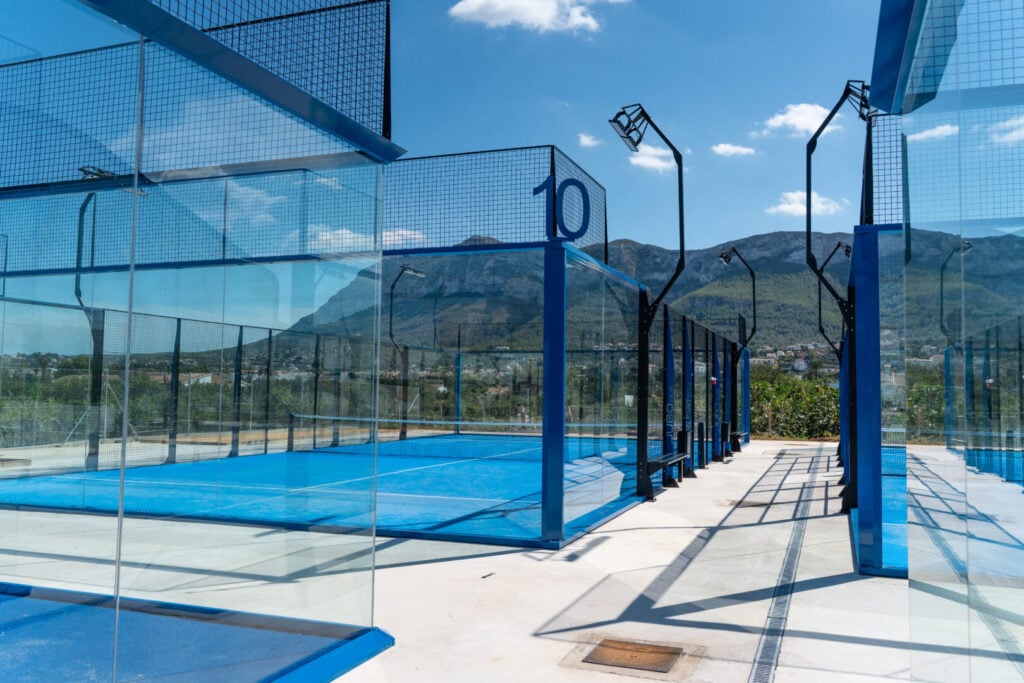
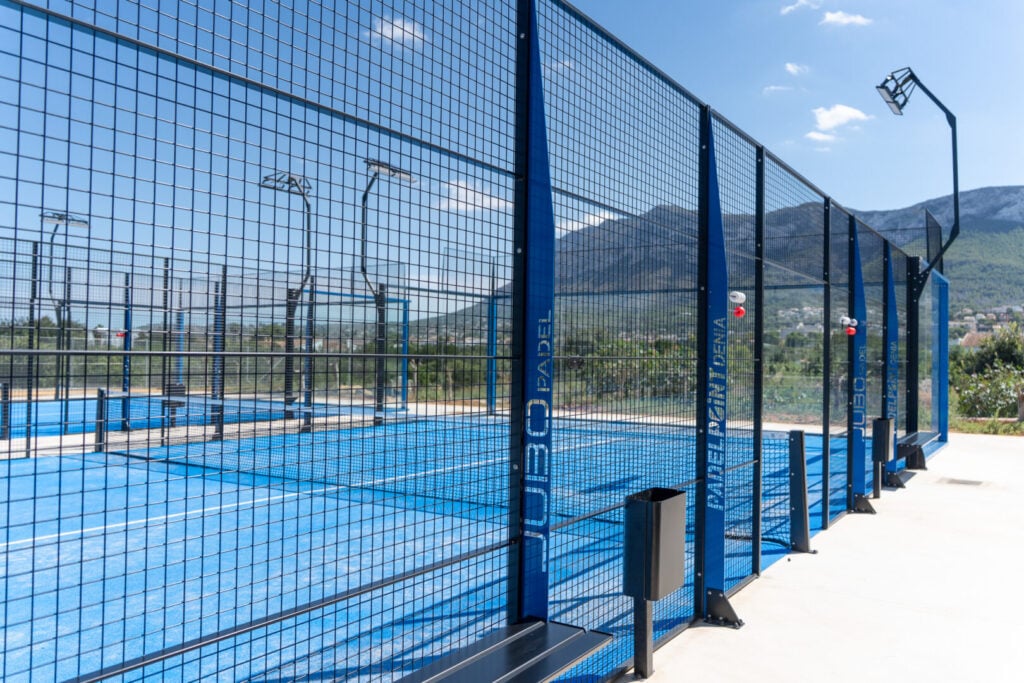
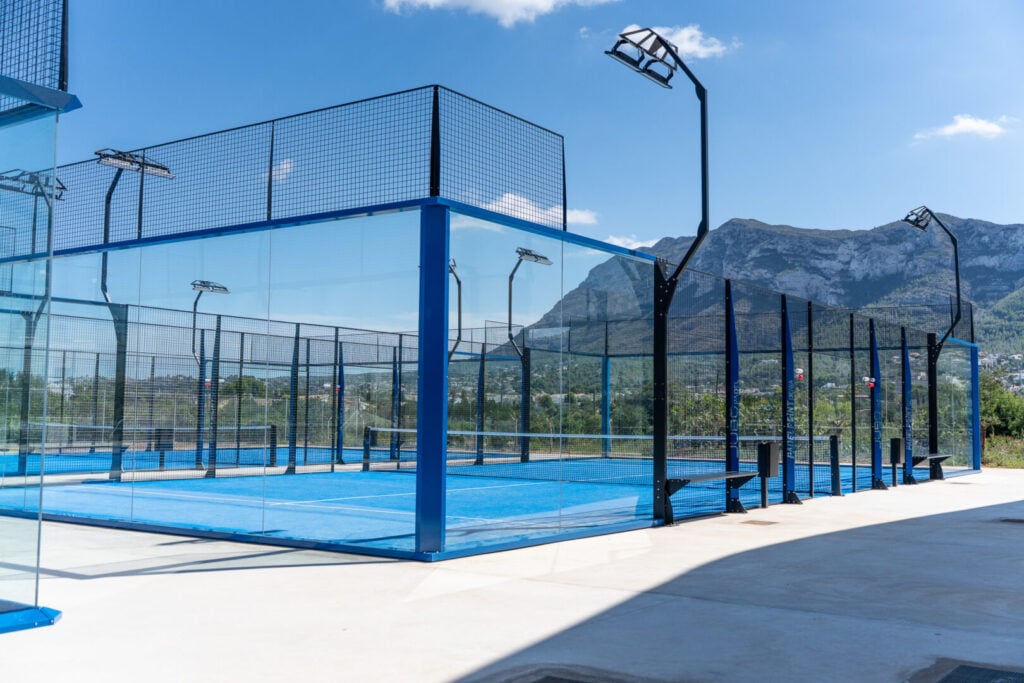
Apex supplies premium European-engineered padel courts for suitable commercial and private developments in Miami. Our padel court range includes panoramic, glass, indoor, covered and high-wind systems.
Commercial Padel Clubs
Miami's existing padel facilities provide useful examples of premium commercial club development. A new venue should consider the number of courts, booking arrangements, reception facilities, coaching, spectator space and customer access.
Panoramic padel courts may suit commercial facilities where court presentation and clear views of play are priorities.
However, the selected equipment must also meet the structural requirements of the proposed site. A premium appearance does not establish suitability for hurricane exposure or the existing foundations.
Private and Residential Padel Courts
Suitable private properties may accommodate padel where sufficient space, appropriate foundations and relevant approvals are available.
The enclosed playing area requires careful positioning around existing buildings, landscaping, access routes and neighboring properties.
Lighting, noise, privacy and maintenance should all influence the design. Properties with homeowners association rules may require additional approvals beyond the municipal permit process.
Indoor Padel Facilities
Indoor padel can provide greater control over Miami's summer heat, humidity and heavy rainfall. Suitable commercial buildings may offer opportunities for conversion where there is adequate clear height and appropriate structural support.
Floor loading, ventilation, cooling, fire safety, accessibility and the intended occupancy should be assessed before selecting equipment or committing to a building.
Explore our indoor padel court systems for further information.
Outdoor and Covered Courts
Outdoor padel can be practical at appropriately engineered sites, but Miami's hurricane exposure requires particular attention to the complete structural design.
Covered courts can provide shade and protection from some rainfall. However, the canopy introduces additional wind-uplift requirements and must be designed for the applicable location and code.
Apex helps coordinate court specifications with manufacturers, engineers and suitable installation professionals. Learn more about our court project process.
Pickleball Courts in Miami, Florida
Miami already provides pickleball through public recreation facilities and a wider network of private clubs across the metropolitan area.
Apex supports commercial pickleball court projects, including purpose-built courts, multi-court venues and suitable conversions of existing recreational surfaces.
Planning a Commercial Pickleball Venue
A regulation pickleball court measures 20 by 44 feet, while approximately 34 by 64 feet is preferred for the overall playing surface in new construction.
Commercial developments also need room for player circulation, fencing, lighting, seating, accessibility and supporting amenities.
Operators should consider court numbers alongside the intended bookings, coaching and customer experience. A site that accommodates the marked courts may still lack sufficient space for safe circulation or supporting facilities.
Existing City Recreation Facilities
Miami's Parks and Recreation Department lists a combination of scheduled pickleball sessions, shared facilities and dedicated courts.
For example, Manolo Reyes Park provides two dedicated courts, while Douglas Park and Bryan Park offer playing opportunities under their published schedules.
The range of facilities provides useful context for recreational participation, but commercial developers should establish how their proposed venue differs from existing public access.
Indoor Pickleball and Climate Control
Miami's warm, humid climate and summer thunderstorms can make indoor facilities attractive to operators seeking consistent bookings.
However, air conditioning, ventilation, acoustics and commercial occupancy requirements can substantially influence the development and operating costs.
A suitable building should be assessed for floor conditions, clear height and access before construction begins.
Existing Tennis Court Conversions
Some existing tennis or recreational courts may be suitable for pickleball conversion where their dimensions, foundations, sports surfaces and drainage are appropriate.
Conversion may involve resurfacing, new markings, net systems and changes to fencing or player access. The existing base should be assessed rather than assuming that new line markings are sufficient.
Noise Near Residential and Hospitality Properties
Pickleball produces distinctive impact sounds that can be noticeable near homes, hotels and other occupied buildings.
Court placement, operating hours and possible acoustic measures should be considered early. A commercial venue expecting several simultaneous games may require a different assessment from a private court used occasionally.
Assessing Commercial Competition
Miami already has established padel operators as well as public and private pickleball facilities. A new development should investigate available playing times, pricing, customer preferences and its intended market.
Padel and pickleball offer different sporting experiences, and the potential demand for each should be evaluated separately.
Our Court Options
The most suitable court system for Miami depends on the property, intended use and applicable structural requirements.
- Panoramic padel courts: Suitable for premium commercial clubs and hospitality properties where court presentation and spectator visibility are important.
- Glass padel courts: An option for professional playing environments within appropriately engineered facilities.
- Indoor padel courts: Worth considering for suitable commercial buildings seeking more consistent playing conditions during heat and storms.
- Covered padel courts: May provide additional shade and shelter where the complete structure meets applicable wind engineering requirements.
- High-wind padel courts: May be considered for exposed sites after establishing the required structural performance under applicable codes.
Equipment Approval and Site Engineering
A court described as high-wind should not automatically be assumed compliant with Miami-Dade requirements.
Qualified professionals must review the intended system, relevant documentation, foundations, anchoring, glass assemblies and the property's exposure. Specific product approvals or testing documentation may be necessary for particular regulated components.
The final specification should follow the engineering assessment rather than relying on a general hurricane-resistance claim.
Local Construction Requirements
Miami-Dade's High Velocity Hurricane Zone
Miami-Dade County is within Florida's High Velocity Hurricane Zone, where specific provisions of the Florida Building Code apply.
Padel enclosures and covered structures must be designed for the applicable structural requirements. Wind exposure, anchoring, steelwork, glazing and foundations should be considered as a complete system.
Site-specific calculations and appropriate professional documentation may be required before a permit can be issued.
Salt Air and Corrosion Protection
Properties near Biscayne Bay or other exposed coastal locations can experience marine moisture and salt-laden air.
Suitable steel finishes, fasteners and protective coatings should be specified for the actual environment. Maintenance access and cleaning requirements are also relevant to long-term performance.
Exposure can vary significantly between waterfront and more sheltered inland properties.
Heavy Rainfall and Shallow Groundwater
Miami's intense seasonal rainfall can create significant runoff. Some properties also have relatively shallow groundwater, which can complicate excavation and drainage.
Outdoor playing surfaces require appropriate foundations, surface levels and drainage arrangements. A court should not direct water onto neighboring properties or interfere with existing stormwater infrastructure.
Where necessary, qualified professionals should assess the groundwater level and determine the appropriate construction method.
Flood Zones and Waterfront Development
Some Miami properties lie within FEMA-designated flood hazard areas. Flood exposure can affect court foundations, electrical equipment and the construction of supporting facilities.
Official mapping should be checked for the actual address. Coastal flooding and heavy rainfall can also affect properties outside mapped high-risk zones.
Miami 21 Zoning Code
The City of Miami administers development through the Miami 21 zoning code and its official Zoning Atlas.
Miami 21 uses transect zones to regulate land use, building form and development requirements. The code also includes procedures for special approvals and other applicable restrictions.
Before selecting a commercial property, developers should confirm whether the proposed recreational use is permitted in the applicable zone.
Special Permits and Administrative Site Plan Review
Miami's Land Development Division manages zoning entitlements and special-permit applications.
The city also offers Administrative Site Plan Review for qualifying by-right developments. Its guidance explains that this process does not replace separate approvals required for waivers, warrants, exceptions or variances.
A commercial padel club or other recreational facility should establish its specific entitlement requirements before committing to the site.
Building Permits and Occupancy
New courts, covered structures, foundations and indoor building conversions may require building permits and technical plan review.
Existing commercial properties should be assessed for their proposed recreational occupancy, structural conditions, accessibility, fire safety and building services.
Relevant city and county requirements should be confirmed by qualified design professionals before construction.
Environmental Resource and Stormwater Permits
New paving, grading or changes to stormwater systems may require review under Florida's Environmental Resource Permitting program.
Construction disturbing one acre or more, or a smaller site forming part of a larger qualifying development, may also require Construction Generic Permit coverage where the relevant discharge conditions apply.
These approvals are separate from ordinary building permits and can apply to the wider development rather than the court alone.
Coastal Construction Restrictions
Properties within the state's regulated beachfront Coastal Construction Control Line area may require additional DEP permits for qualifying work.
The applicability depends on the property's precise location. Miami's waterfront and the wider Miami Beach area are not interchangeable jurisdictions, so applicants should verify both the local authority and any relevant state coastal restrictions.
Heat, Shade and Operating Hours
Miami experiences warm conditions throughout the year, with high summer temperatures and humidity.
Outdoor courts should be planned around suitable operating hours, shade, drinking-water access and lighting. Covered structures can reduce direct sun exposure but do not provide the same environmental control as an air-conditioned facility.
Planning a Court in Miami, Florida?
Tell us about your site and the type of court you are considering. Our team can help you explore the options.
Types of Court Projects
Padel and pickleball courts can complement several types of Miami development.
- Commercial padel clubs: Dedicated venues for bookings, memberships, coaching and events.
- Indoor sports centers: Multi-court facilities offering more predictable conditions during heat and rainfall.
- Hotels and hospitality developments: Premium recreational amenities planned around guest access and existing facilities.
- Residential communities: Shared courts with appropriate lighting, noise and maintenance arrangements.
- Private properties: Individual recreational courts where sufficient land and approvals allow.
- Existing racquet clubs: Additional sports or suitable conversions of current facilities.
- Commercial redevelopment: Suitable buildings or properties adapted for specialist recreational use.
Choosing a Commercial Location
A development in Wynwood or the Design District may have different access, zoning and neighboring-property conditions from a private court in Coconut Grove or a waterfront hospitality project.
The intended customers, existing competition and costs of converting the property should be evaluated before selecting the number of courts.
Premium Club Facilities
Miami's existing padel venues demonstrate how clubs can combine playing courts with coaching, lounge areas and other amenities.
A new operator should identify which supporting features matter to its intended audience rather than assuming every premium club requires the same facilities.
Explore our padel court projects for examples of different court systems.
Planning Your Court Project
Before investing in a padel or pickleball court in Miami, the proposed property should be assessed for its physical suitability and planning requirements.
Initial Project Planning Checklist
- Available space: Confirm playing dimensions, access, circulation and supporting facilities.
- Jurisdiction: Establish whether City of Miami or another municipality's planning requirements apply.
- Zoning: Identify the property's Miami 21 designation and permitted recreational use.
- Wind engineering: Confirm applicable High Velocity Hurricane Zone structural requirements.
- Foundations: Assess ground conditions, existing surfaces and anchoring.
- Drainage: Review rainfall runoff, groundwater and existing stormwater infrastructure.
- Flood risk: Check official mapping and any waterfront restrictions.
- Indoor suitability: Assess clear height, floor support, cooling, ventilation and accessibility.
- Noise and lighting: Consider homes, hospitality properties and operating hours.
- Approvals: Establish zoning entitlements, building permits and applicable environmental reviews.
Coordinating Court Supply and Installation
Apex helps clients evaluate suitable court specifications and coordinate with manufacturers, engineers and appropriate installation professionals.
For Miami projects, early assessment of hurricane engineering and land-use approvals is particularly important before committing to equipment or construction dates.
Learn more about our court project process.
Padel & Pickleball Court Costs
The cost of installing padel or pickleball courts in Miami depends on the equipment, property conditions and wider construction requirements.
Factors Affecting Project Costs
- Hurricane engineering: Structural calculations, approved components and appropriate anchoring can influence equipment and foundation costs.
- Court specification: Different panoramic, glass, indoor and covered systems have different requirements.
- Ground preparation: Excavation, groundwater, existing paving and drainage may affect construction.
- Indoor conversions: Cooling, ventilation, floor conditions, accessibility and occupancy improvements can influence the budget.
- Coastal durability: Suitable corrosion protection and maintenance may be important for exposed properties.
- Planning approvals: Special permits, building reviews and environmental assessments may introduce additional costs.
- Noise and lighting: Sensitive sites may require acoustic measures and specialist sports lighting.
- Supporting facilities: Parking, reception, seating, changing areas and player circulation should be considered.
- Professional services: Engineering, delivery and installation form part of the total investment.
Our padel court cost guide explains the main pricing factors. For a quotation based on your Miami property, contact Apex Padel with details of the site and intended facility.
Areas We Cover
Apex welcomes padel and pickleball enquiries throughout Miami, including Downtown, Brickell, Wynwood, Design District, Edgewater, Coconut Grove, Little Havana, Allapattah, Coral Way and surrounding neighborhoods.
We can also discuss suitable developments in nearby Miami Beach, Coral Gables, North Miami and the wider Miami-Dade area, subject to the applicable municipal requirements.
For other South Florida locations, see our Fort Lauderdale and Boca Raton pages.
Visit our Florida court supply page for statewide information.
Frequently Asked Questions
Planning padel and pickleball courts in Miami, Florida.
Does Miami already have commercial padel clubs?
Yes. Reserve operates three glass-enclosed padel courts at its Miami Design District club, with additional venues elsewhere in the Miami area. A new commercial development should investigate these existing facilities, their access arrangements and local demand before investing in additional courts.
Do padel courts in Miami need special hurricane engineering?
Yes. Miami-Dade County is within Florida's High Velocity Hurricane Zone. The applicable structural requirements must be established for the individual site, including the court enclosure, glass, steelwork, anchoring and foundations. A manufacturer's general wind-resistance claim should not be treated as proof of compliance without appropriate professional verification.
What planning checks are needed for a commercial padel club in Miami?
The City of Miami uses the Miami 21 zoning code and its official Zoning Atlas. Applicants should confirm the property's transect zone, permitted recreational use and whether special approvals are necessary. Building permits, accessibility, fire-safety and stormwater requirements may also apply depending on the proposed development.
Can Apex Padel coordinate court projects in Miami?
Apex supplies premium European padel court systems and supports commercial pickleball project planning. We help clients evaluate specifications and coordinate with manufacturers and appropriate technical and installation professionals. Arrangements depend on the proposed site and its engineering requirements rather than a claimed dedicated local installation office.
Explore More Locations
Ready to Start Your Padel Project?
Premium court systems, clear guidance and support from initial enquiry through to project delivery.
Get a Quote