Padel & Pickleball Courts
in Alaska
Planning a padel or pickleball court in Alaska? Apex Padel supplies premium European padel court systems and supports commercial pickleball developments, helping clients assess court specifications, construction requirements and installation planning.Alaska presents some of the...
Premium Courts.
Built for Alaska.
Planning a padel or pickleball court in Alaska? Apex Padel supplies premium European padel court systems and supports commercial pickleball developments, helping clients assess court specifications, construction requirements and installation planning.
Alaska presents some of the most demanding conditions for sports court construction in the United States. Long winters, freezing ground conditions, heavy snowfall in some regions and challenging transport arrangements make early project planning particularly important. Apex can help clients explore suitable indoor and outdoor court options, with delivery and installation arrangements assessed for each proposed location.
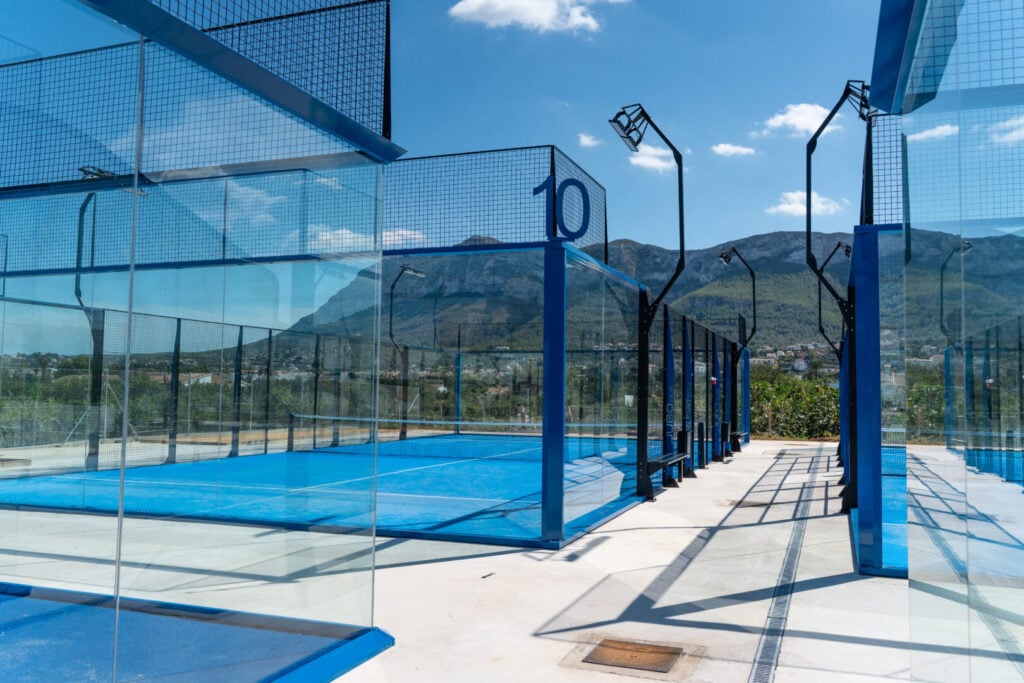
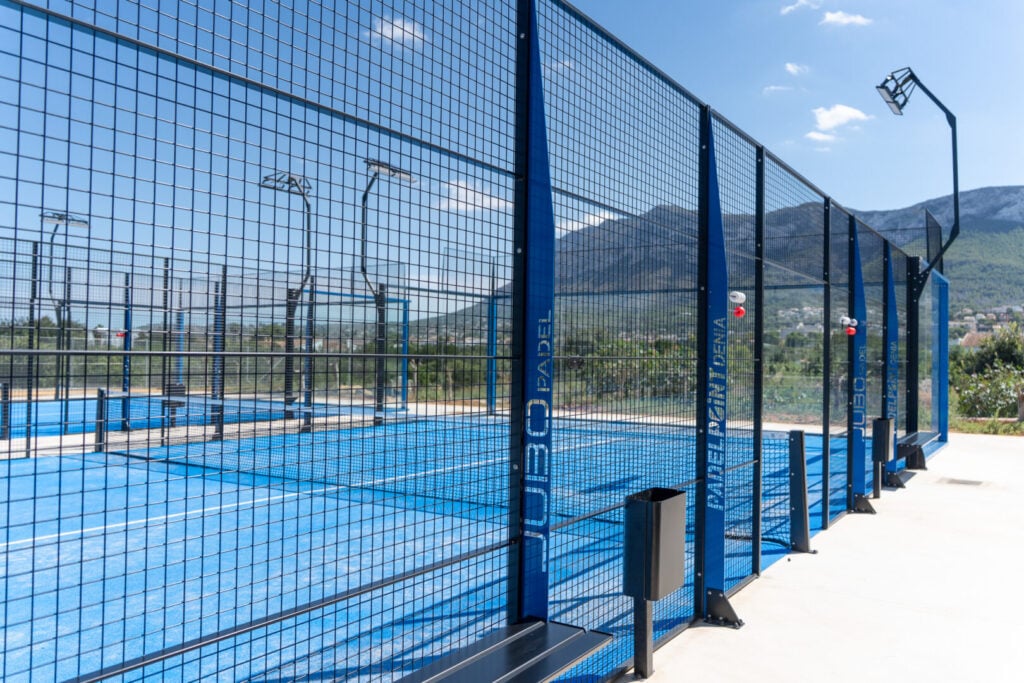
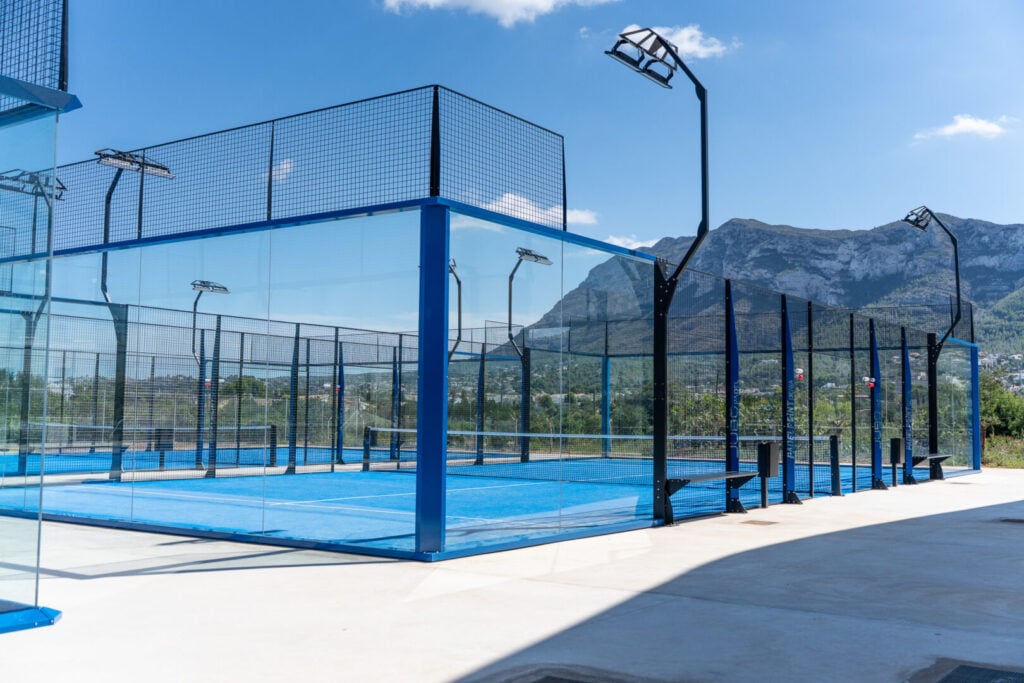
Explore Our Court Systems
Premium courts for commercial and private developments.
Padel & Pickleball in Alaska
Building a padel or pickleball facility in Alaska requires a different approach from projects in warmer parts of the country. The state's geography, climate and transport infrastructure vary considerably, making it important to evaluate each location individually.
Anchorage and the Matanuska-Susitna Valley experience relatively moderate conditions compared with Alaska's Interior, while Fairbanks faces much colder winters and greater temperature extremes. Southeast Alaska, including Juneau and Ketchikan, has a maritime climate with substantial rainfall and generally milder winter temperatures.
Choosing Between Indoor and Outdoor Facilities
For commercial sports operators, indoor courts are worth serious consideration. An enclosed facility can provide more predictable playing conditions and reduce the disruption associated with snow, freezing temperatures and changing weather.
Outdoor facilities remain possible where the location, ground conditions and construction budget support them. However, operators need to consider the usable playing season, snow removal, surface maintenance and the potential costs of protecting court structures during winter.
An Existing Pickleball Community
Pickleball already has an established presence in several Alaskan communities. The Anchorage Pickleball Club maintains information about indoor playing opportunities and seasonal outdoor facilities, while recreational centers in communities such as Fairbanks and Ketchikan also offer opportunities to play.
These existing facilities demonstrate that recreational racquet sports can operate successfully in Alaska. However, the commercial viability of a new development depends on local participation, competition, operating costs and the intended audience.
Padel Courts in Alaska
Apex supplies premium European-engineered padel court systems for commercial and private projects. Our padel court range includes panoramic, glass, indoor, covered and high-wind options, with the appropriate specification determined by the proposed site.
In Alaska, the first decision is often whether the facility should be located indoors or outdoors. Cold temperatures, snowfall and seasonal ground movement can affect the suitability and maintenance requirements of exposed courts.
Indoor Padel Courts for Year-Round Play
Indoor padel courts can provide a more consistent playing environment for clubs, commercial sports operators and suitable private facilities. An enclosed building protects the playing area from snow and ice while allowing operators greater control over lighting, temperature and scheduling.
Existing sports buildings or commercial properties may offer conversion opportunities, provided they have sufficient clear height, suitable foundations, appropriate ventilation and enough space for the court and surrounding access areas.
Apex can help assess the court-related requirements of an indoor development and coordinate specifications with the manufacturer and wider project team. Explore our indoor padel court systems for further information.
Outdoor Padel Court Construction
Outdoor padel courts require particular care in Alaska. Structural anchoring, foundations, surface drainage and exposure to winter conditions should all be reviewed before selecting a system.
A covered court may provide additional protection from precipitation, but a canopy must be engineered for the applicable snow, wind and other structural loads. A standard weather cover should not be assumed suitable for Alaskan winter conditions without engineering confirmation.
Apex supports court specification and project coordination with appropriate technical and installation professionals. Freight and on-site installation availability must be established for the individual Alaska location before a project can proceed.
Pickleball Courts in Alaska
Pickleball facilities in Alaska can benefit from indoor accommodation, particularly where operators want to provide dependable playing opportunities throughout the winter.
Apex supports commercial pickleball court projects, helping clubs, developers and property owners consider court layouts, playing surfaces, conversions and construction requirements.
Indoor Pickleball Courts and Sports Building Conversions
Existing recreation centers, gymnasiums and suitable commercial buildings may offer opportunities for indoor pickleball. The building must provide sufficient playing space, appropriate flooring, adequate lighting and safe circulation around the courts.
A regulation pickleball court measures 20 by 44 feet. However, USA Pickleball recommends a larger playing surface of approximately 34 by 64 feet for new construction. Commercial facilities may also require additional space for seating, equipment storage and movement between courts.
Indoor facilities provide protection from snow and freezing conditions, although heating, ventilation, energy consumption and building maintenance should be considered when developing the operating budget.
Outdoor Pickleball Courts in Alaska
Outdoor pickleball courts can provide recreational opportunities during suitable weather. Existing seasonal facilities in Anchorage demonstrate how outdoor play forms part of the local sporting calendar.
For a new installation, surface preparation and drainage are particularly important. Water entering cracks or the underlying base can freeze and contribute to surface movement or deterioration. Appropriate construction methods and seasonal maintenance are therefore essential.
Commercial operators should also consider how the shorter outdoor playing season may affect bookings and whether indoor or covered facilities would offer better long-term use of the available space.
Our Court Options
Different regions of Alaska present different construction challenges. Court selection should reflect the site's climate, ground conditions, intended operating season and available infrastructure.
- Indoor padel courts: A strong option for clubs and commercial facilities seeking year-round play without regular exposure to snow, ice and freezing conditions.
- Covered padel courts: May suit selected outdoor developments where additional protection is required, provided the canopy is specifically engineered for local snow and wind loads.
- High-wind padel courts: Worth investigating for exposed coastal locations where stronger winds and corrosion exposure may influence the structural specification.
- Panoramic padel courts: Suitable for premium commercial or private facilities where the chosen configuration meets the site's structural and environmental requirements.
Considering the Complete Facility
For indoor projects, the court system must work within the wider building design. Clear height, heating, ventilation, electrical systems, lighting and access for installation equipment should be considered together.
For outdoor courts, foundations, drainage, frost protection, snow management and long-term maintenance become particularly important.
Covered outdoor courts are not a direct substitute for a heated indoor facility. The appropriate solution depends on the intended playing season and the engineering requirements of the proposed location.
Local Construction Requirements
Freezing Temperatures and Frost Heave
Seasonal freezing can create problems for outdoor sports surfaces when moisture beneath the pavement freezes and expands. This movement, known as frost heave, can contribute to cracking, uneven surfaces and damage to foundations.
The Alaska Department of Transportation identifies frost heave as a significant infrastructure concern and distinguishes it from the separate effects of thawing permafrost.
For padel and pickleball courts, appropriate foundation design, drainage and preparation of the underlying ground are important. An engineer familiar with local ground conditions should assess the proposed site before construction begins.
Permafrost and Ground Stability
Permafrost occurs in parts of Alaska, particularly across the Interior and northern regions. It is not present beneath every property, and its characteristics vary between locations.
Where ice-rich permafrost is present, disturbance or warming of the ground can lead to settlement and instability. The Alaska Department of Transportation explains that thaw-sensitive permafrost presents particular challenges for foundations and infrastructure.
Projects in areas where permafrost may be present should involve appropriate geotechnical investigation. Foundation designs must respond to the actual conditions rather than relying on a standard construction detail.
Snow Loads and Covered Court Structures
Snow accumulation can place substantial loads on roofs and covered recreational structures. A canopy suitable for a warm-weather location may not be appropriate for an Alaskan installation.
The Municipality of Anchorage requires buildings to be designed for applicable snow loads and includes provisions addressing hazardous snow and ice accumulation. Requirements vary by location and building type.
Any covered padel or pickleball facility should be assessed by qualified structural professionals. Snow loads, drifting, roof geometry, wind exposure and drainage from melting snow may all affect the design.
Earthquake and Seismic Considerations
Alaska is an active seismic region. The Alaska Earthquake Center advises that local ground conditions can influence earthquake shaking and recommends professional assessment of individual building sites.
For padel courts, structural anchoring, foundations and the performance of glass and steel components should be considered alongside applicable seismic design requirements.
Indoor facilities and associated buildings must also meet the structural requirements relevant to their location and intended use.
Regional Rainfall and Coastal Conditions
Southern coastal Alaska experiences a different climate from the Interior. Juneau and Ketchikan have substantial maritime influences, including significant rainfall and relatively moderate temperatures compared with Fairbanks.
Outdoor facilities in these areas need appropriate drainage, corrosion-resistant materials and consideration of local wind exposure. Coastal properties may also face additional challenges associated with salt air and difficult site access.
Local Permits and Building Requirements
Construction requirements vary between Alaska's municipalities, boroughs and other jurisdictions. Anchorage, Juneau and Fairbanks may have different planning and building procedures, while some rural locations have additional logistical or regulatory considerations.
For example, the City and Borough of Juneau advises commercial developers to review zoning, property dimensions, setbacks and potential flood, landslide or avalanche hazards during initial planning.
Property owners should establish the applicable building, zoning, engineering and permit requirements for the actual site before ordering court equipment or beginning construction.
Planning a Court in Alaska?
Tell us about your site and the type of court you are considering. Our team can help you explore the options.
Types of Court Projects
Padel and pickleball facilities can serve several types of property in Alaska, although the market and construction requirements will vary considerably between communities.
- Indoor sports centers: Dedicated courts or suitable building conversions offering recreational opportunities throughout the year.
- Commercial racquet clubs: Facilities designed around memberships, coaching, scheduled bookings and organized play.
- Hotels and resorts: Recreational amenities where the property, available space and intended operating season support court development.
- Residential communities: Shared facilities designed around resident access, operating costs and long-term maintenance.
- Private properties: Individual courts where suitable indoor accommodation or appropriate outdoor construction conditions are available.
- Community and recreational organizations: Courts incorporated into suitable sports buildings or wider recreational developments.
Commercial Opportunities in Anchorage and the Mat-Su Valley
Anchorage and the surrounding Matanuska-Susitna region contain some of Alaska's largest population centers and established recreational facilities. These areas may provide a starting point for operators evaluating the feasibility of commercial racquet sports developments.
The Anchorage Pickleball Club lists a range of indoor playing venues and seasonal outdoor opportunities, demonstrating the importance of both facility types to local players.
Recreational Developments in Smaller Communities
Smaller communities such as Juneau, Ketchikan and Fairbanks have different property markets, climates and transport arrangements. A new facility may need to serve several recreational purposes or operate within an existing building to make effective use of available infrastructure.
Commercial viability should be assessed through local research into participation, competing facilities, pricing and operating costs rather than assuming national participation trends apply equally throughout Alaska.
Explore our padel court projects for examples of different court systems and installation environments.
Planning Your Court Project
Planning a padel or pickleball court in Alaska involves several practical considerations beyond choosing the playing surface or court structure. Early investigation can help establish whether a project is technically feasible and what it may cost to deliver.
Assessing the Proposed Site
- Ground conditions: Investigate soil stability, seasonal frost and possible permafrost before designing outdoor foundations.
- Structural requirements: Establish applicable snow, wind and seismic loads for the proposed location.
- Available space: Confirm court dimensions, clearances, player access and room for supporting facilities.
- Indoor suitability: Review ceiling height, existing flooring, heating, ventilation, lighting and building access.
- Drainage: Plan for rainfall, snowmelt and the movement of surface water around the facility.
- Construction access: Confirm that equipment, materials and installation teams can reach the property safely.
- Operating season: Determine whether the facility is intended for seasonal outdoor play or year-round operation.
- Local approvals: Identify relevant zoning, building, engineering and environmental requirements.
Transporting Court Equipment to Alaska
Freight logistics can be a significant part of an Alaskan court project. The Alaska Department of Transportation reports that many communities are not connected to the state's road network and depend on marine or air transport.
Anchorage and Fairbanks have established road connections, while locations such as Juneau and Ketchikan require different transport arrangements. Large court components may need specialist freight handling, suitable unloading facilities and carefully planned delivery schedules.
These arrangements should be confirmed before construction dates are agreed. Availability, transport costs and the feasibility of delivering individual components will depend on the destination and project requirements.
Coordinating Court Supply and Installation
Apex supports clients through consultation, court specification and coordination with manufacturers and appropriate project professionals. In Alaska, early discussion of freight, access and installer availability is especially important.
Our project coordination process explains how we approach court supply and work with the wider design and installation team. Delivery and installation arrangements for Alaskan projects must be confirmed individually before any commitment is made.
Padel & Pickleball Court Costs
The cost of installing padel or pickleball courts in Alaska depends on the court specification, location, construction requirements and the practical arrangements needed to deliver the project.
Some costs may be higher than those associated with comparable developments in the contiguous United States, particularly where specialist freight, remote access or additional engineering is required.
Factors Affecting Alaska Court Installation Costs
- Freight and logistics: Transporting large court components to Alaska may require specialist shipping, freight handling and additional delivery arrangements.
- Ground preparation: Frost-sensitive soils, unsuitable foundations or permafrost conditions may increase engineering and construction requirements.
- Indoor facilities: Building acquisition or conversion, heating, ventilation and electrical infrastructure can represent substantial parts of the project budget.
- Weather protection: Covered outdoor courts may require more demanding structural specifications to accommodate snow and wind loads.
- Construction scheduling: Seasonal weather and local contractor availability can influence when work can be completed.
- Site accessibility: Properties outside established transport networks may require additional equipment handling and construction coordination.
- Long-term operation: Heating, lighting, snow removal and maintenance should be considered when evaluating the overall investment.
Building a Realistic Project Budget
Equipment prices alone are not sufficient for estimating the complete cost of an Alaskan facility. Site preparation, engineering, freight, installation and supporting infrastructure should be reviewed together.
Our padel court cost guide explains the factors that influence general project pricing. However, published national estimates should not be treated as Alaska-specific quotations.
For a proposed development, contact Apex Padel with the location, available space and intended number of courts so that the technical requirements and potential delivery arrangements can be discussed.
Areas We Cover
Apex welcomes initial enquiries about padel and pickleball projects in Alaska, including Anchorage, Fairbanks, Juneau, Wasilla and Ketchikan. We can also discuss the feasibility of proposed facilities in other communities, subject to delivery and installation availability.
Each region presents different challenges. Anchorage and Wasilla offer access to established road infrastructure, Fairbanks requires particular attention to cold-weather construction, and Southeast Alaska communities such as Juneau and Ketchikan have substantial maritime transport considerations.
Our individual location pages will explore these regional requirements in greater detail, helping property owners identify suitable court options and understand the practical considerations associated with their proposed site.
Whether you are assessing an existing sports building, planning a commercial racquet club or considering a private court, contact Apex to discuss your project requirements and establish whether suitable supply and installation arrangements can be made.
Frequently Asked Questions
Planning padel and pickleball courts in Alaska.
Are indoor padel courts more practical than outdoor courts in Alaska?
Indoor padel courts can be a practical option for Alaskan clubs and commercial operators seeking year-round play. They protect the playing area from snow, ice and freezing conditions while offering greater control over lighting and temperature. Outdoor courts may still be suitable for seasonal use, but foundations, drainage, maintenance and weather exposure require careful consideration. The best option depends on the location, available building infrastructure and operating budget.
How do freezing ground conditions affect padel and pickleball court construction?
Freezing ground can affect outdoor courts through frost heave, which occurs when moisture in the ground freezes and causes movement. In parts of Alaska, thaw-sensitive permafrost may create additional foundation challenges. These conditions can contribute to uneven surfaces, settlement or structural damage if they are not addressed. Qualified geotechnical and structural professionals should assess the proposed site and establish suitable foundation requirements before construction.
Can existing indoor sports facilities in Alaska be converted for pickleball?
Yes, suitable gymnasiums, recreation centers and commercial sports buildings may be adapted for pickleball. The building needs sufficient floor space, safe clearances, appropriate lighting and a suitable playing surface. A regulation court measures 20 by 44 feet, but approximately 34 by 64 feet is preferred for new construction. Any conversion should also consider ventilation, accessibility, player circulation and the condition of the existing floor.
Can Apex Padel arrange court supply and installation in Alaska?
Apex supplies premium European padel court systems and supports commercial pickleball project planning across the United States. For an Alaska project, the feasibility of delivery, specialist freight and installation coordination must be established individually. Some destinations may require additional logistics or local construction partners. Contact Apex with your proposed location and project details so the team can assess the available options before confirming supply or installation arrangements.
Explore More Locations
Ready to Start Your Padel Project?
Premium court systems, clear guidance and support from initial enquiry through to project delivery.
Get a Quote