Padel & Pickleball Courts
in California
Planning a padel or pickleball court in California? Apex Padel supplies premium European padel court systems and supports commercial pickleball developments throughout the state. We help sports clubs, hospitality businesses, property developers and private clients...
Premium Courts.
Built for California.
Planning a padel or pickleball court in California? Apex Padel supplies premium European padel court systems and supports commercial pickleball developments throughout the state. We help sports clubs, hospitality businesses, property developers and private clients evaluate court specifications, understand construction requirements and coordinate projects with appropriate professionals.
California offers several distinct environments for court development. Coastal cities, inland valleys and desert resort communities differ considerably in temperature, available land, ground conditions and local regulations. Apex helps clients select equipment that suits the proposed property rather than assuming the same installation approach will work everywhere.
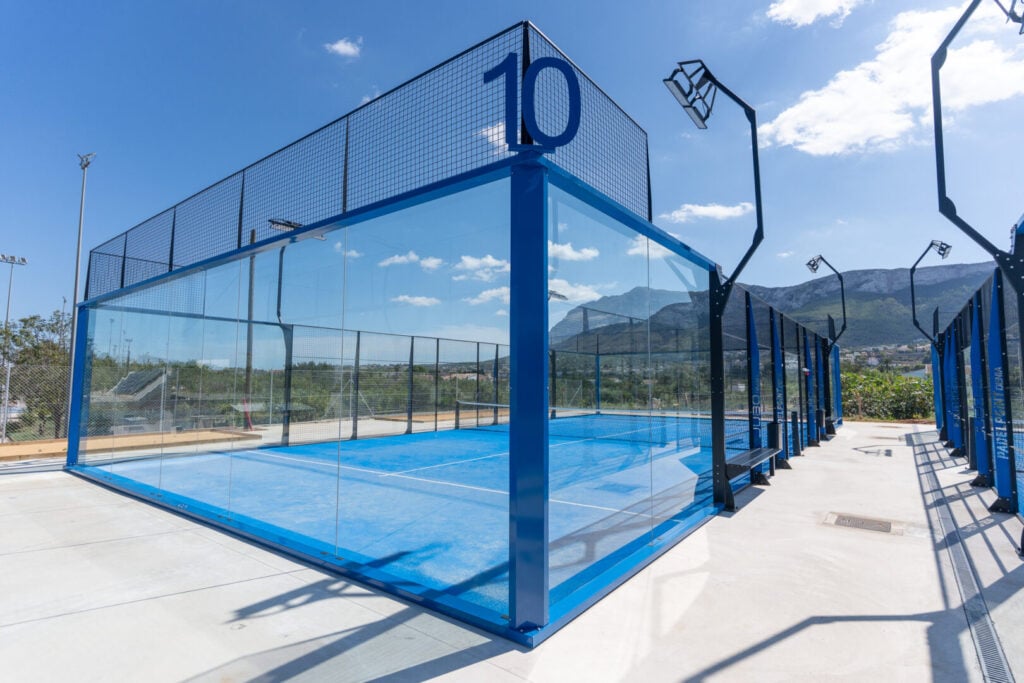
Explore Our Court Systems
Premium courts for commercial and private developments.
Padel & Pickleball in California
California provides a diverse range of potential locations for commercial and private racquet sports facilities. Major metropolitan areas such as Los Angeles, San Diego and San Francisco have established recreational infrastructure, while Irvine and Palm Springs offer different opportunities involving residential communities, resorts and commercial developments.
Different Regions Require Different Court Designs
Southern California's coastal areas generally experience milder temperatures than inland desert communities. A covered outdoor court in Palm Springs may be intended to reduce direct sunlight, while a facility in San Francisco may need more attention to wind exposure, limited space and neighbouring properties.
Regional differences also affect construction. Some properties require additional investigation for seismic hazards, liquefaction, unstable slopes or coastal development restrictions. Ground preparation and engineering should therefore be based on the actual property.
Established Pickleball Infrastructure
California cities already provide substantial recreational pickleball opportunities. Los Angeles maintains dedicated and shared courts across its parks, San Diego offers indoor and outdoor facilities, and San Francisco operates a mixture of reservable and walk-up courts. Irvine and Palm Springs have also invested in dedicated pickleball complexes.
Existing participation and facilities provide useful market context, but commercial developers should assess competition, customer requirements and operating costs before committing to additional courts.
Padel Courts in California
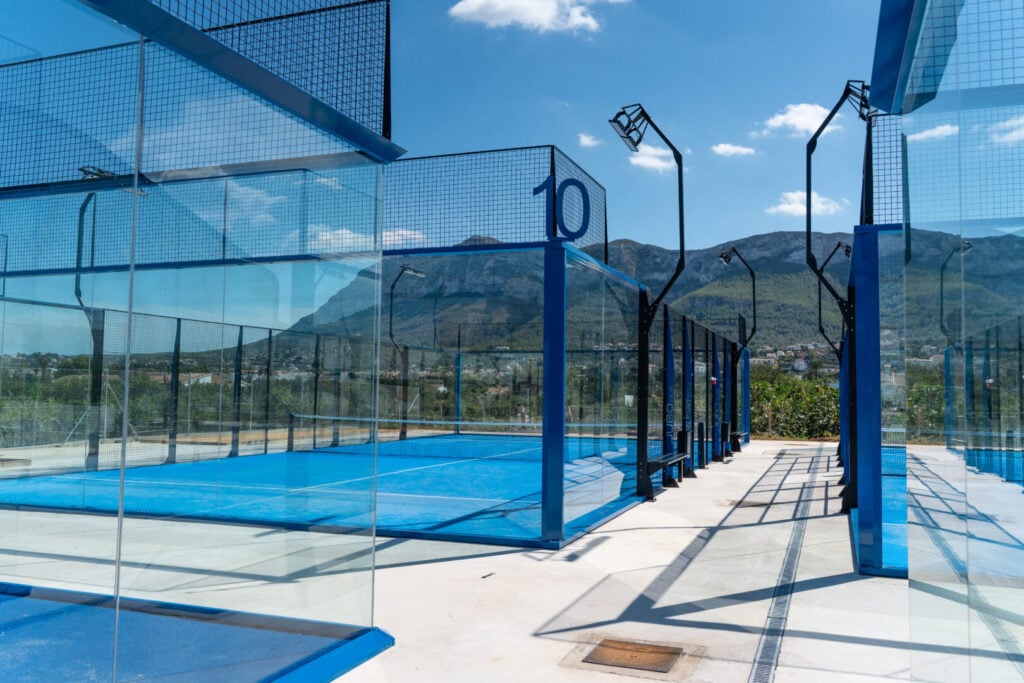
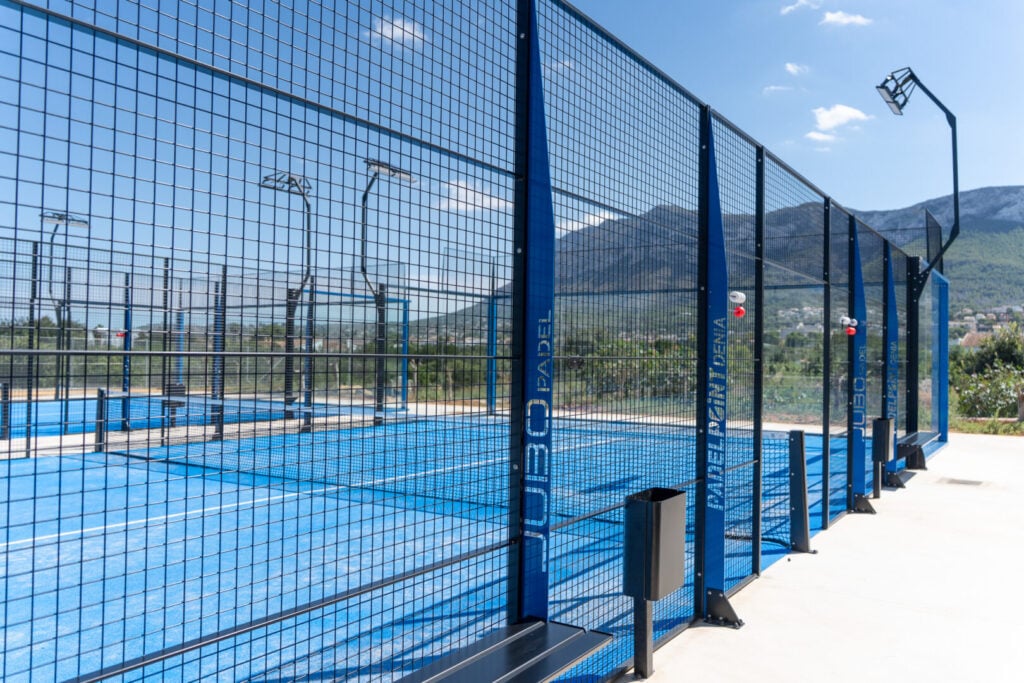
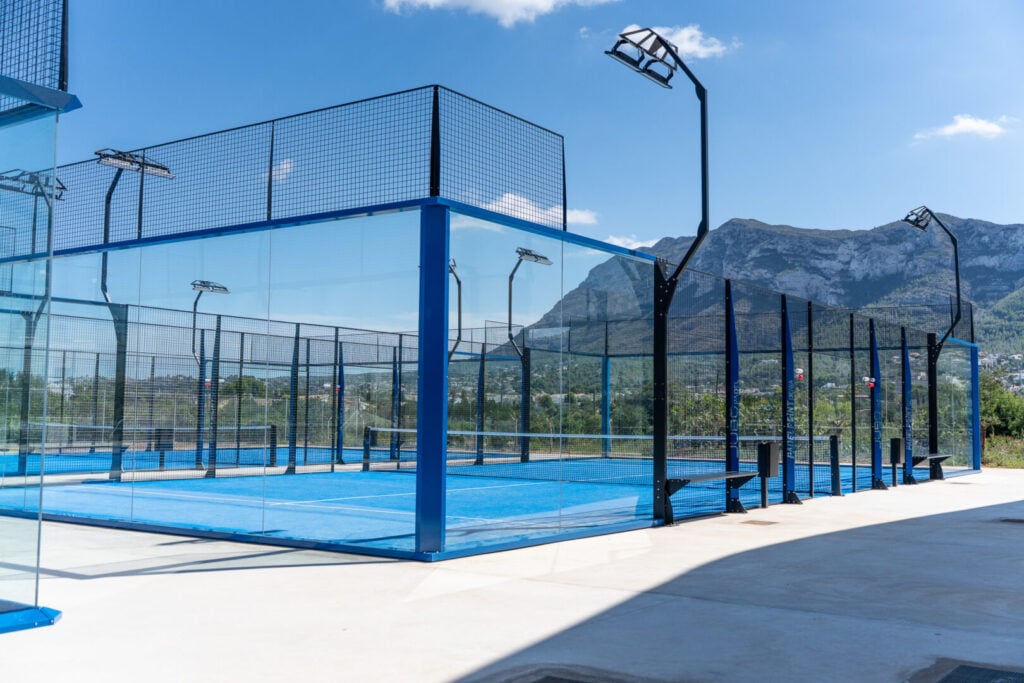
Apex supplies premium European-engineered padel courts for suitable commercial and private developments throughout California. Our padel court range includes panoramic, glass, indoor, covered and high-wind systems.
Outdoor Padel Court Installations
Outdoor padel courts may suit commercial clubs, resorts, residential developments and private properties where sufficient space and appropriate engineering conditions exist.
The enclosed court structure requires suitable foundations and anchoring for its steel framework and glass panels. Wind exposure, seismic design, ground stability and drainage should be considered together rather than treating the court as equipment that can be placed on any existing hard surface.
Indoor Padel Facilities
Indoor padel courts can provide more predictable playing conditions and may offer an alternative where a suitable building already exists. Commercial conversions require sufficient clear height, appropriate floor conditions, ventilation, lighting and access for court components.
In densely developed locations, indoor accommodation may be worth investigating where available outdoor space is limited. However, zoning, building suitability and operating costs should be established before a property is selected.
Covered Courts and Specialist Specifications
Covered padel courts can provide shelter from sunlight and precipitation. Their suitability depends on the structure, local environmental loads and the intended playing environment.
Exposed locations may require specialist structural specifications, while premium commercial venues may place greater emphasis on panoramic visibility and presentation.
Apex supports court selection and project coordination with manufacturers and appropriate construction professionals. Read more about our court project process.
Pickleball Courts in California
Pickleball is already an established recreational sport across California, with city parks, community centres and dedicated private facilities providing playing opportunities.
Apex supports commercial pickleball court projects, including new playing surfaces, multi-court layouts and the assessment of existing sports facilities for potential conversion.
Purpose-Built Pickleball Courts
A regulation pickleball court measures 20 by 44 feet. For new construction, an overall playing surface of approximately 34 by 64 feet is preferred to provide appropriate space beyond the marked boundaries.
Commercial developments should also accommodate safe player circulation, suitable fencing, lighting, seating and any supporting facilities. Where several courts are planned, their arrangement should reflect the intended operating model.
Tennis Court Conversions
Some existing tennis courts can be converted to pickleball where the foundations, dimensions, surfaces and drainage are suitable. Conversion may involve resurfacing, new markings, dedicated nets and adjustments to surrounding infrastructure.
California properties with existing hard courts may offer opportunities for conversion, but the structural condition of the base should be established before assuming it can be reused.
Noise and Residential Locations
Pickleball produces distinctive impact sounds that can become a concern where courts are close to homes or other noise-sensitive properties. Court placement, screening, acoustic treatment and operating hours deserve consideration during planning.
Applicable local noise and land-use requirements vary between municipalities. A commercial court development should address these matters before finalising the layout.
Our Court Options
Several padel court options may suit California developments, depending on the property's location and intended use.
- Panoramic padel courts: Suitable for premium clubs, hospitality properties and private facilities where visibility and presentation are priorities.
- Glass padel courts: An option for commercial and private developments seeking a professional playing environment.
- Covered padel courts: Worth considering where additional shade or weather protection could improve playing comfort and availability.
- Indoor padel courts: Suitable for appropriately designed sports buildings and commercial facilities seeking controlled playing conditions.
- High-wind padel courts: May be appropriate for exposed sites following confirmation of the required structural performance.
Choosing a Court for the Proposed Property
A commercial club may prioritise efficient court layouts and booking capacity, while a resort or private development may place greater emphasis on appearance and access.
The final specification should reflect local engineering requirements, intended usage and long-term maintenance rather than relying solely on the general climate.
Local Construction Requirements
Earthquakes and Foundation Design
California's seismic environment makes appropriate structural design important for new sports facilities. Padel courts incorporate steel framework and glass panels that rely on suitable foundations and anchoring systems.
The California Geological Survey identifies earthquake fault zones and areas potentially affected by liquefaction or earthquake-induced landslides. Property owners can use its EQ Zapp mapping service to investigate whether a proposed site falls within a mapped hazard zone.
These maps provide an initial indication rather than a complete assessment. Qualified professionals should establish the appropriate investigations and engineering requirements for the actual property.
Coastal Wind and Corrosion
Outdoor courts near the Pacific coast may experience salt-laden air, wind and persistent moisture. The specification of steelwork, fixings and protective finishes should reflect the local environment.
Coastal exposure varies considerably between properties. An inland court should not automatically require the same corrosion measures as an exposed waterfront installation.
Desert Heat and Court Comfort
Inland desert communities such as Palm Springs experience extreme summer temperatures. Court orientation, shade, drinking-water access and the intended playing schedule can influence the practicality of outdoor facilities.
Indoor or covered options may offer benefits, although a canopy does not provide the same temperature control as an enclosed building.
Rainfall and Drainage
Rainfall varies substantially across California. Coastal and northern regions generally receive more precipitation than many southern desert communities, while individual storms can produce significant runoff.
Outdoor court projects require appropriate surface levels and drainage. Existing site conditions, nearby slopes and the management of water beyond the court boundaries should form part of the wider design.
Construction Stormwater Requirements
The California State Water Resources Control Board regulates stormwater discharges from qualifying construction projects. Its Construction General Permit generally applies to developments disturbing one acre or more of soil and certain smaller sites that form part of a larger common development.
Projects below this threshold can still be subject to local grading, drainage and stormwater requirements. The applicable approvals should be established before construction begins.
California Building Standards
The 2025 California Building Standards Code became effective on January 1, 2026. Relevant construction work must comply with the applicable state standards and local amendments.
Commercial court developments may require zoning review, structural engineering, grading approvals, building permits, lighting assessment and accessibility provisions. The requirements vary according to the property and proposed facility.
Coastal and Local Planning Restrictions
Some properties within California's coastal zone may require additional review under the California Coastal Act and the relevant local coastal programme.
Properties near protected habitats, unstable slopes or other restricted areas may also face additional development requirements. Clients should confirm these matters with the appropriate local authority and qualified professionals before finalising their court plans.
Planning a Court in California?
Tell us about your site and the type of court you are considering. Our team can help you explore the options.
Types of Court Projects
Padel and pickleball courts can support several types of development throughout California.
- Commercial racquet clubs: Dedicated facilities for memberships, coaching, recreational bookings and organised competitions.
- Hotels and resorts: Premium recreational amenities designed around suitable hospitality properties.
- Residential communities and HOAs: Shared courts with appropriate access, lighting, maintenance and operating arrangements.
- Private properties: Individual padel or pickleball courts where suitable land and local approvals allow.
- Sports and fitness centres: Additional playing facilities or appropriate conversions of existing buildings.
- Commercial developers: Multi-court venues with supporting infrastructure, parking and room for future expansion.
Commercial Feasibility and Existing Competition
A successful court development needs a realistic understanding of its intended market. Public pickleball provision, competing venues, pricing, customer preferences and local access should all be investigated before deciding on court numbers.
Padel may offer a different racquet sport, but its commercial potential should be evaluated independently from pickleball participation.
Explore our padel court projects for examples of different court configurations and installation environments.
Planning Your Court Project
Planning a padel or pickleball development in California should begin with an assessment of the proposed property and its intended operation.
Initial Court Planning Checklist
- Available space: Confirm playing dimensions, safety clearances, access and supporting amenities.
- Site conditions: Assess existing surfaces, ground levels, drainage and any relevant seismic hazards.
- Foundations: Establish the structural requirements of the court and supporting equipment.
- Local climate: Consider heat, coastal exposure, rainfall and the proposed playing schedule.
- Lighting and noise: Review the effects on neighbouring properties and applicable local restrictions.
- Construction access: Confirm suitable delivery routes and space for installation equipment.
- Commercial facilities: Plan parking, circulation, accessibility and supporting services where relevant.
- Approvals: Establish zoning, engineering, building and any coastal development requirements.
Coordinating Court Supply and Installation
Apex helps clients review court systems and coordinate technical requirements with manufacturers, engineers and appropriate installation professionals.
Early coordination allows the court specification, foundations, drainage and wider construction work to be planned together. Learn more about our project process.
Padel & Pickleball Court Costs
The cost of installing padel or pickleball courts in California depends on the equipment, proposed location and wider construction requirements.
Factors Affecting Project Costs
- Court specification: Panoramic, glass, indoor and covered systems have different equipment and structural requirements.
- Ground preparation: Excavation, grading, foundations and drainage can vary considerably between properties.
- Engineering: Seismic assessments, structural calculations and other site-specific requirements may affect the budget.
- Land and access: Available space, existing infrastructure and delivery arrangements can influence construction costs.
- Lighting and acoustic measures: Commercial venues may require specialist equipment or additional mitigation.
- Supporting facilities: Parking, accessibility, fencing and player amenities should be included where appropriate.
- Professional services: Permits, engineering and installation form part of the wider investment.
Our padel court cost guide explains the main pricing considerations. For a quotation based on your California property, contact Apex Padel with details of the proposed location and number of courts.
Areas We Cover
Apex welcomes padel and pickleball court enquiries throughout California, including Los Angeles, San Diego, San Francisco, Irvine and Palm Springs.
We can also discuss projects in surrounding metropolitan areas and other parts of the state, subject to the technical and installation requirements of the proposed property.
Our individual city pages provide additional information about local construction considerations, existing recreational facilities and suitable court options. Contact Apex to discuss your proposed development and the next stages of planning.
Frequently Asked Questions
Planning padel and pickleball courts in California.
Do padel courts in California require earthquake-resistant foundations?
Padel courts must be designed and anchored in accordance with the structural requirements applicable to their location. California's seismic environment makes foundation and anchoring design particularly important. Some sites may require geotechnical investigation for liquefaction or other mapped hazards. A qualified engineer should establish the appropriate specification for the individual project.
Can existing tennis courts in California be converted for pickleball?
Some existing tennis courts may be suitable for pickleball conversion where their dimensions, foundations, sports surfaces and drainage are appropriate. Conversion may involve resurfacing, new markings, nets and changes to surrounding infrastructure. A site assessment should establish whether the existing base can be reused.
Are indoor or covered padel courts suitable for California?
Both options can be appropriate, depending on the property and intended use. Covered courts may provide additional shade or protection from precipitation, while indoor facilities offer greater control over playing conditions. The right choice depends on local climate, structural requirements, available space and operating costs.
Can Apex Padel coordinate padel and pickleball court projects across California?
Apex supplies premium European padel court systems and supports commercial pickleball project planning. We help clients assess suitable specifications and coordinate with manufacturers and appropriate technical and installation professionals. Arrangements are established individually according to the location and construction requirements.
Explore More Locations
Ready to Start Your Padel Project?
Premium court systems, clear guidance and support from initial enquiry through to project delivery.
Get a Quote