Padel & Pickleball Courts
in Des Moines, Iowa
Planning a padel or pickleball court in Des Moines, Iowa? Apex Padel supplies premium European padel court systems and supports commercial pickleball developments for racquet clubs, property developers, recreational operators and private clients.Des Moines already...
Premium Courts.
Built for Des Moines, Iowa.
Planning a padel or pickleball court in Des Moines, Iowa? Apex Padel supplies premium European padel court systems and supports commercial pickleball developments for racquet clubs, property developers, recreational operators and private clients.
Des Moines already has substantial public and commercial pickleball provision, including dedicated outdoor courts and a large indoor club. New facilities should therefore be evaluated against existing competition, property suitability and the intended customer experience. The city's rivers, stormwater infrastructure and commercial redevelopment areas can also influence construction. Apex helps clients evaluate court specifications and coordinate technical requirements with appropriate professionals.
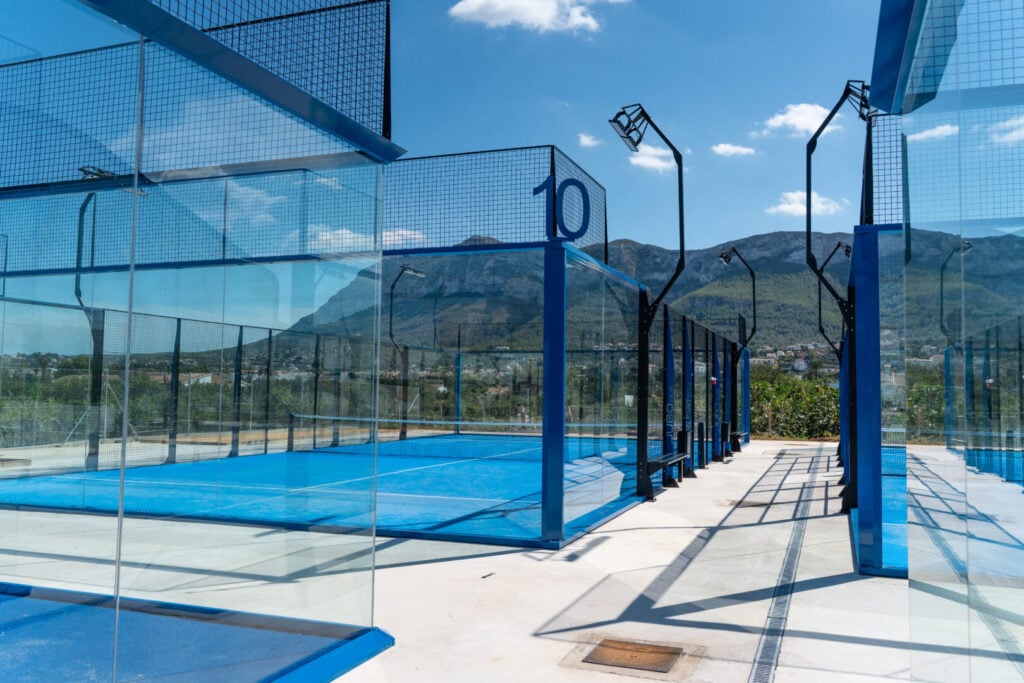
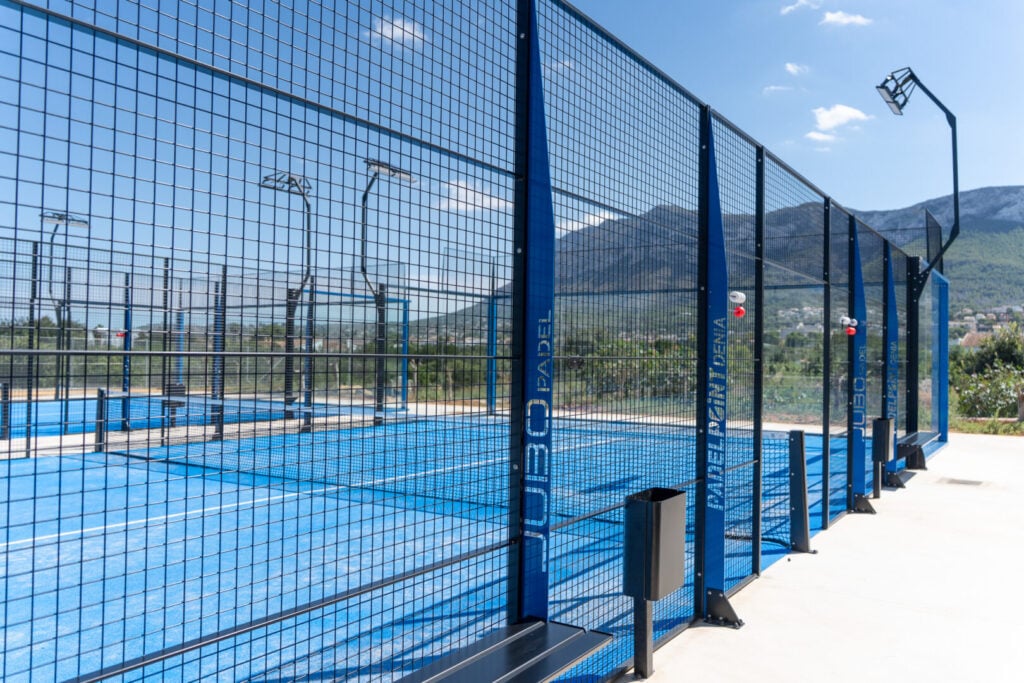
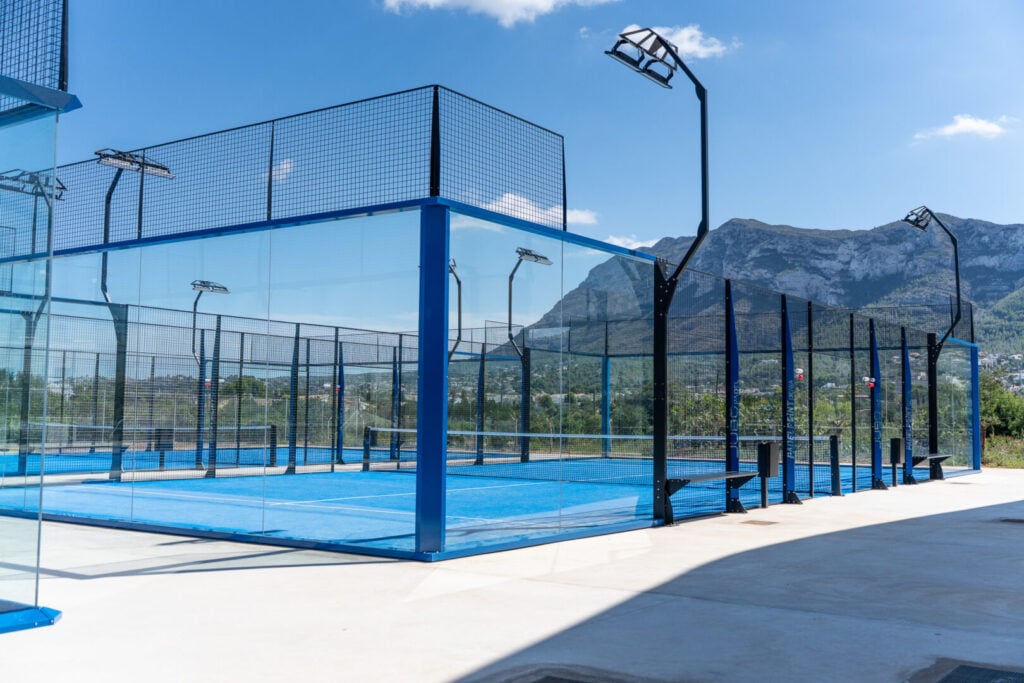
Explore Our Court Systems
Premium courts for commercial and private developments.
Padel & Pickleball in Des Moines, Iowa
Des Moines is Iowa's capital and principal commercial center, with established residential neighborhoods, business districts, recreational facilities and properties suitable for different types of redevelopment.
Potential court projects may involve dedicated commercial sports clubs, suitable existing warehouses, private residential amenities or additional facilities within established recreational properties.
Stone Park's Dedicated Pickleball Courts
Des Moines Parks and Recreation incorporated four dedicated pickleball courts into the improvements at Stone Park, located at 2100 Southeast Fifth Street.
The wider project includes a futsal court, basketball improvements, playgrounds, a sprayground, accessible pathways and sports lighting.
Stormwater management and grading were also incorporated into the development plans, demonstrating how a recreational court project can require substantial work beyond the playing surface.
Stone Park as a Multi-Sport Development
The Stone Park improvements illustrate how purpose-built pickleball can operate alongside other recreational activities.
A new commercial facility may provide different playing arrangements, but developers should consider the availability of established public courts when assessing customer demand.
Nearby residential properties and safe player circulation should also be considered when comparing sites.
Dinks Pickleball at Merle Hay Mall
Dinks Pickleball operates at 3800 Merle Hay Road, Suite 1000, in Des Moines.
The facility advertises 13 dedicated indoor pickleball courts, memberships, court reservations, coaching and organized tournaments.
Its published opening hours extend from 6 a.m. until midnight, demonstrating a dedicated commercial operating model with substantial playing availability.
For a new developer, Dinks is an important established competitor rather than evidence that another indoor venue will automatically attract sufficient bookings.
Community Recreation Centers
Des Moines provides indoor recreational opportunities through facilities including Pioneer Columbus, Fourmile and other community recreation centers.
Pickleball availability at shared gyms can vary with their wider programs, making scheduled indoor sessions different from dedicated commercial courts.
The Greater Des Moines Market
West Des Moines, Ankeny, Urbandale and other nearby communities provide additional public and commercial pickleball opportunities.
Smash Park operates in West Des Moines rather than within Des Moines city limits, and it should be considered part of the wider metropolitan competition.
Commercial Building Opportunities
Des Moines includes existing retail, warehouse and commercial properties that may provide opportunities for indoor racquet sports.
However, a large building does not automatically offer adequate ceiling clearance, structural capacity or approval for recreational occupancy.
These factors should be assessed before committing to a lease or purchase.
Padel Courts in Des Moines, Iowa
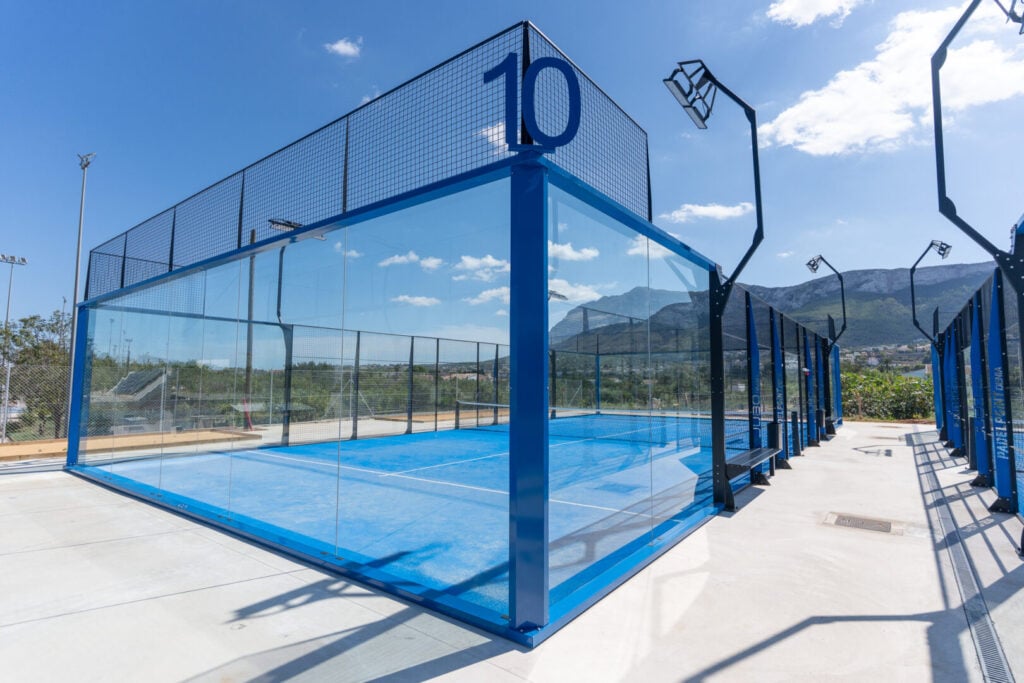
Apex supplies premium European-engineered padel courts for suitable commercial and private developments in Des Moines. Our padel court range includes panoramic, glass, indoor and covered systems.
Indoor Padel Clubs
Indoor padel may be particularly relevant for commercial operators seeking consistent playing conditions during Iowa's winter.
Suitable existing commercial buildings may accommodate courts where sufficient clear height, appropriate floor construction and installation access are available.
The enclosed padel structure requires steel framework, glass panels and suitably engineered support. Existing floors must be assessed rather than assumed suitable.
Heating, ventilation, lighting, fire safety, accessibility and recreational occupancy should also be considered.
Explore our indoor padel court systems for more information.
Commercial Club Development
A dedicated padel venue should be planned around the wider customer experience, including bookings, coaching, reception, changing facilities and circulation.
Commercial viability depends on the intended location, competing venues and customer demand.
Existing pickleball participation provides useful recreational context but should not be treated as confirmed demand for padel.
Padel Within Existing Sports Facilities
Established tennis and sports clubs may consider introducing padel as an additional activity.
The existing property must accommodate appropriate foundations, structural anchoring and maintenance access around the enclosure.
An open tennis or pickleball surface should not automatically be considered suitable for the enclosed padel structure.
Premium Panoramic Courts
Panoramic padel courts may suit premium commercial facilities where court appearance and spectator visibility are priorities.
Equipment selection should also reflect structural engineering and long-term maintenance.
Outdoor Padel Facilities
Outdoor padel may suit appropriate private properties, sports clubs and commercial developments with sufficient land and suitable foundations.
Des Moines' winter freezing and seasonal rainfall make ground preparation and drainage important.
Properties near the Des Moines or Raccoon rivers may require additional floodplain review before grading and construction.
Covered Court Options
Covered courts may provide shade and shelter from some precipitation, but the roof and supporting foundations must be engineered for applicable wind and snow loads.
A covered outdoor facility does not provide the same temperature control as a heated building.
Apex helps coordinate equipment specifications with manufacturers, engineers and appropriate installation professionals. Learn more about our court project process.
Pickleball Courts in Des Moines, Iowa
Des Moines already has dedicated public pickleball courts, community-center playing opportunities and a substantial commercial indoor facility.
Apex supports commercial pickleball court developments, including purpose-built courts, multi-court facilities and suitable conversions of existing recreational surfaces.
Purpose-Built Pickleball Courts
A regulation pickleball court measures 20 by 44 feet, while approximately 34 by 64 feet is preferred for the complete playing surface in new construction.
Commercial venues require additional room for circulation, fencing, seating, lighting and supporting amenities.
Safe access between courts should be considered before finalizing the number of playing areas.
Stone Park's Four Courts
Stone Park provides four dedicated courts within a larger community recreational development.
The project includes sports lighting and other amenities that can influence the cost and usability of an outdoor court complex.
Commercial operators should assess the availability and quality of local public facilities when researching the potential value of paid court bookings.
Dinks and Indoor Commercial Competition
Dinks Pickleball advertises 13 dedicated indoor courts, membership arrangements, coaching and organized play.
A new indoor venue should investigate existing court availability, booking prices and customers rather than assuming sufficient unmet demand.
A different location or playing experience may be commercially relevant, but this should be supported by research.
Community-Center Pickleball
Shared municipal gymnasiums provide additional playing opportunities, often using portable nets and scheduled recreational sessions.
Such facilities differ from dedicated clubs because their space is shared with basketball and other activities.
A commercial developer should consider whether predictable reservations or additional services would provide sufficient customer value.
Existing Tennis Court Conversions
Some tennis or multi-sport courts may be suitable for pickleball conversion where their dimensions, foundations, surface conditions and drainage allow.
Permanent conversion may involve resurfacing, markings, nets and changes to circulation or fencing.
Existing cracking or settlement should be assessed before surface work begins.
Indoor Sports Buildings
Suitable commercial properties may accommodate dedicated indoor pickleball where appropriate flooring, heating, ventilation and lighting can be provided.
Acoustic performance and the proposed occupancy should also be assessed.
Outdoor Winter Maintenance
Des Moines experiences freezing winters and seasonal snow.
Outdoor courts require suitable bases, drainage and maintenance to reduce frost-related movement and surface deterioration.
Noise and Residential Compatibility
Pickleball produces distinctive impact sounds that may affect nearby homes.
Multi-court projects should consider operating hours, court orientation, lighting and potential acoustic measures.
Commercial Market Research
Des Moines has substantial established playing opportunities. A new operator should investigate the wider metropolitan market, including nearby West Des Moines facilities.
Padel should be assessed independently from pickleball because it involves a different sport and specialist court equipment.
Our Court Options
Several padel court systems may suit Des Moines developments depending on the property and intended operation.
- Indoor padel courts: Particularly relevant for suitable commercial buildings seeking consistent playing conditions throughout winter.
- Panoramic padel courts: Suitable for premium commercial clubs where court appearance and visibility are priorities.
- Glass padel courts: An option for professionally engineered commercial and private facilities.
- Covered padel courts: May provide additional shelter where the roof and foundations meet applicable structural requirements.
Matching Equipment to the Property
A commercial building conversion may be limited by clear height, floor support or installation access.
An outdoor property may require substantial foundations, grading, drainage or floodplain review.
Equipment should be selected after the site and intended use have been assessed.
Local Construction Requirements
Des Moines Zoning and Land Use
The City of Des Moines administers zoning and development requirements through its Planning and Urban Design functions and municipal code.
Commercial operators should confirm whether an indoor or outdoor participant sports use is permitted at the proposed location.
Existing retail or warehouse zoning should not automatically be treated as approval for a public sports venue.
Site Plan Requirements
Qualifying new developments and significant changes to existing properties may require site-plan review.
Relevant issues can include parking, pedestrian access, landscaping, drainage, lighting and building placement.
Developers should establish whether administrative review or additional planning approval is necessary before preparing detailed construction plans.
Building Conversions and Permits
Indoor racquet sports facilities may require a review of the proposed building use, structural capacity, fire safety and accessibility.
Heating, ventilation, electrical improvements and changes to circulation can form part of the permit application.
The applicable code and review authority should be confirmed for the actual property.
Des Moines and Raccoon River Flood Hazards
Des Moines is situated around the confluence of the Des Moines and Raccoon rivers.
Some properties near these waterways, tributaries or established drainage corridors may lie within mapped flood hazard areas.
Official FEMA information and local floodplain requirements should be reviewed before grading, paving or foundation construction begins.
Floodplain rules can affect outdoor improvements even where no occupied building is proposed.
Existing Levees and Flood Infrastructure
Parts of Des Moines are protected or influenced by existing levees, drainage systems and other flood-control infrastructure.
Developers should not assume a nearby levee removes every flood-related restriction or drainage issue.
Access to flood-control infrastructure and existing easements may also influence the available construction area.
Stormwater and New Paving
Outdoor padel and pickleball courts introduce hard surfaces that can increase runoff.
Drainage should be assessed alongside foundations, parking, paths and existing site levels.
Stone Park's improvement plans provide a local example of stormwater management being considered as part of recreational construction.
Iowa DNR General Permit No. 2
Qualifying construction disturbing one acre or more and generating covered stormwater discharges generally requires Iowa DNR General Permit No. 2 coverage.
Smaller sites forming part of a larger common development can also require coverage.
Local erosion-control and stormwater requirements may apply independently of the state threshold.
Existing Commercial and Industrial Properties
Some former retail or industrial sites may contain older foundations, buried utilities or unsuitable fill.
Where previous use indicates potential concerns, appropriate geotechnical or environmental investigation should take place before construction.
These conditions should not automatically be assumed to affect every commercial property.
Winter Frost and Foundation Design
Des Moines experiences seasonal freezing and changes in ground moisture.
Outdoor court surfaces require appropriate base preparation, frost protection and drainage.
Padel structures also need foundations designed for the enclosure's steelwork, glass and environmental loads.
Wind and Snow Engineering
Outdoor enclosures and covered courts must meet applicable wind and snow-load requirements.
Canopy design should account for roof geometry and snow accumulation where relevant.
Qualified professionals should verify structural calculations before construction.
Public Court Lighting Rules
Des Moines Parks and Recreation publishes rules restricting lighting at public sports courts, with illuminated court operation generally ending by 10 p.m.
These rules govern city facilities and should not automatically be interpreted as the permitted operating hours for a new private club.
Private developments must establish the zoning, lighting and noise requirements applicable to their property.
Municipal Boundaries
West Des Moines, Urbandale, Johnston and other nearby communities administer separate development procedures.
The responsible planning and building authority should be confirmed from the actual address rather than a Des Moines-area postal designation.
Planning a Court in Des Moines, Iowa?
Tell us about your site and the type of court you are considering. Our team can help you explore the options.
Types of Court Projects
Padel and pickleball courts may complement several types of Des Moines development.
- Commercial indoor clubs: Dedicated venues for bookings, coaching, memberships and organized play.
- Existing sports centers: Additional padel or suitable pickleball conversions.
- Commercial property redevelopment: Indoor facilities where building dimensions and occupancy allow.
- Residential communities: Shared recreational amenities planned around noise, access and maintenance.
- Private properties: Individual courts where sufficient land and relevant approvals are available.
- Hospitality and leisure properties: Sports amenities integrated into suitable developments.
Dedicated Indoor Racquet Sports
Des Moines already has a large commercial indoor pickleball facility, so a new operator should investigate whether its proposed location and services offer a distinct customer proposition.
Padel as a Different Sport
Padel may provide an additional racquet sport within the metropolitan area, but its potential demand should be researched independently.
The enclosed court and supporting foundations also require a different construction approach from pickleball.
Existing Building Conversions
Suitable retail or industrial buildings may offer indoor opportunities, but structural capacity, clear height, access and the proposed occupancy must be established first.
Long-Term Operation
Indoor clubs require arrangements for heating, ventilation, cleaning, bookings and maintenance.
Outdoor courts require suitable drainage, surface care and winter maintenance.
Explore our padel court projects for examples of different installations.
Planning Your Court Project
Before investing in a Des Moines court development, the proposed property should be assessed for construction suitability and approval requirements.
Initial Project Planning Checklist
- Available space: Confirm court dimensions, safe clearances and supporting facilities.
- Zoning: Establish whether the proposed recreational use is permitted.
- Existing buildings: Check clear height, structure, flooring and occupancy.
- Foundations: Assess soils, frost protection and structural anchoring.
- Drainage: Review runoff and existing stormwater infrastructure.
- Flood risk: Check official mapping near the Des Moines and Raccoon rivers.
- Wind and snow: Confirm structural loads for enclosed and covered courts.
- Noise and lighting: Consider nearby homes and proposed playing hours.
- Construction access: Plan deliveries and unloading of large court components.
- Permits: Establish zoning, building, site-plan and stormwater requirements.
Coordinating Court Supply
Apex helps clients evaluate suitable systems and coordinate technical requirements with manufacturers, engineers and appropriate installation professionals.
Early assessment of zoning, building suitability and drainage can help prevent incompatible property or equipment commitments.
Learn more about our court project process.
Padel & Pickleball Court Costs
The cost of installing padel or pickleball courts in Des Moines depends on the equipment, property and wider development requirements.
Main Cost Considerations
- Court specification: Different padel enclosures and pickleball surfaces have different costs.
- Indoor conversions: Structural work, heating, ventilation and accessible facilities can influence the budget.
- Foundations: Ground preparation, frost protection and anchoring affect outdoor construction.
- Floodplain conditions: Some sites may require additional engineering or changes to the layout.
- Stormwater: New paved areas may require drainage and erosion-control work.
- Covered structures: Snow and wind engineering add structural requirements.
- Noise and lighting: Sensitive locations may require acoustic measures or specialist lighting.
- Urban site access: Existing buildings may need additional delivery and installation planning.
- Supporting facilities: Parking, reception, fencing and player circulation should be budgeted.
- Professional services: Planning, engineering, permits, delivery and installation form part of the investment.
Our padel court cost guide explains the main pricing considerations. To discuss a Des Moines project, contact Apex Padel with details of the location and intended facility.
Areas We Cover
Apex welcomes enquiries throughout Des Moines, including Downtown, East Village, Sherman Hill, Beaverdale, Drake, South Side, Indianola Hills, Highland Park, Merle Hay, Ingersoll and surrounding neighborhoods.
We can also discuss suitable developments in nearby West Des Moines, Urbandale, Johnston, Ankeny and Altoona.
Separate municipalities may have different planning requirements. For statewide information, visit our Iowa padel and pickleball court supply page.
Frequently Asked Questions
Planning padel and pickleball courts in Des Moines, Iowa.
Does Des Moines have dedicated commercial indoor pickleball courts?
Yes. Dinks Pickleball operates 13 dedicated indoor courts at 3800 Merle Hay Road, Suite 1000. The facility offers memberships, court reservations, coaching and organized play. Existing commercial facilities should be included in the feasibility assessment for any new venue.
Where are the dedicated public pickleball courts at Stone Park?
Stone Park is located at 2100 Southeast Fifth Street in Des Moines. Its recreational improvements include four dedicated pickleball courts alongside futsal, basketball, playgrounds, a sprayground and other amenities. Players should check current park conditions and access with Des Moines Parks and Recreation.
Can a Des Moines commercial building be converted into a padel club?
Potentially, yes. A suitable building needs adequate clear height, appropriate floors, installation access and relevant building approvals. Recreational zoning, occupancy, fire safety, accessibility and heating or ventilation improvements may also be required. The property should be assessed before equipment is ordered.
Can Apex Padel coordinate court projects in Des Moines?
Apex supplies premium European padel court systems and supports commercial pickleball project planning. We help clients evaluate specifications and coordinate with manufacturers and appropriate technical and installation professionals. Delivery and installation arrangements are established individually for each project.
Explore More Locations
Ready to Start Your Padel Project?
Premium court systems, clear guidance and support from initial enquiry through to project delivery.
Get a Quote