Padel & Pickleball Courts
in Idaho
Planning a padel or pickleball court in Idaho? Apex Padel supplies premium European padel court systems and supports commercial pickleball developments throughout the state. We help sports clubs, property developers, residential communities and private clients...
Premium Courts.
Built for Idaho.
Planning a padel or pickleball court in Idaho? Apex Padel supplies premium European padel court systems and supports commercial pickleball developments throughout the state. We help sports clubs, property developers, residential communities and private clients evaluate suitable equipment, understand construction requirements and coordinate projects with appropriate technical and installation professionals.
Idaho offers a variety of environments for recreational court development, from the commercial centers of Boise and Meridian to the lakeside setting of Coeur d'Alene, the colder eastern Idaho climate around Idaho Falls and the open landscape of the Magic Valley. Court selection should reflect local conditions, available land and intended use rather than assuming one specification is suitable throughout the state.
Explore Our Court Systems
Premium courts for commercial and private developments.
Padel & Pickleball in Idaho
Idaho includes established metropolitan areas, regional commercial centers, mountain communities and substantial rural landscapes. Each offers different considerations for padel and pickleball developments.
Boise and Meridian form part of the Treasure Valley, while Coeur d'Alene serves North Idaho. Idaho Falls is an important eastern Idaho commercial center, and Twin Falls serves the Magic Valley.
Established Pickleball Facilities
Pickleball is already played at public and private venues across Idaho. Boise's Hobble Creek Park has 12 dedicated outdoor courts, while Meridian offers outdoor facilities at Discovery Park, Settlers Park and Julius M. Kleiner Memorial Park.
Meridian also has The Flying Pickle, an established 18-court indoor commercial facility. Coeur d'Alene provides outdoor pickleball at several municipal parks, and Idaho Falls operates a seasonal five-court facility inside its ice arena during summer.
Twin Falls maintains public pickleball facilities at Frontier Park and other recreational locations, with four refurbished courts opening at Harmon Park in August 2026.
Padel Development in the Treasure Valley
Boise Padel Club has announced a four-court indoor facility at 425 East Watertower Street in Meridian, scheduled to open in January 2027.
Despite the club's name, its announced location is in Meridian rather than Boise city limits. As of October 2026, the development should be described as planned rather than operating.
This provides evidence of investment in Idaho's emerging padel market, although the club's commercial performance cannot be assessed before opening.
Different Climate Conditions
Southern Idaho includes areas with hot, relatively dry summers and cold winters. Northern and eastern Idaho generally experience colder winter conditions, with snowfall and seasonal freezing influencing outdoor sports surfaces.
The proposed playing season, snow loading, frost protection, drainage and indoor operating costs should all be considered before selecting a court.
Padel Courts in Idaho
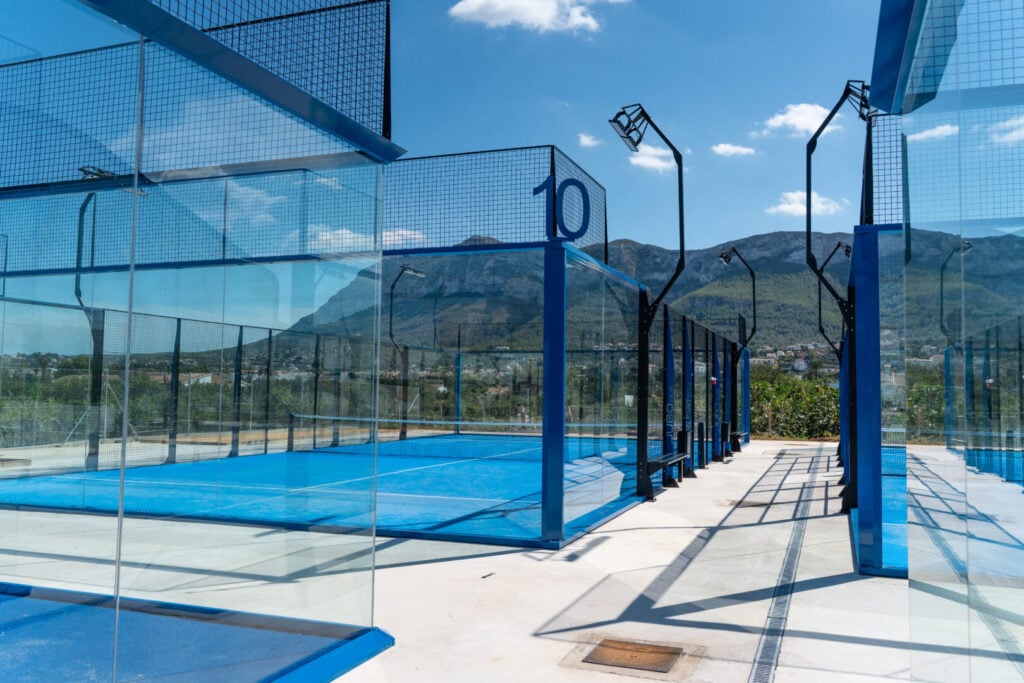
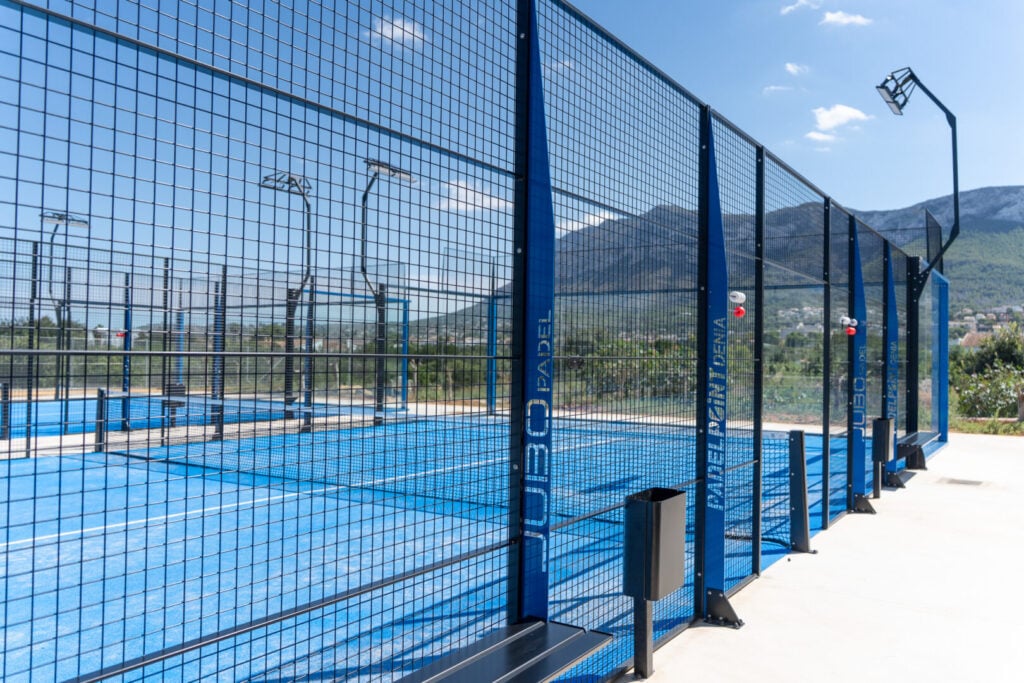
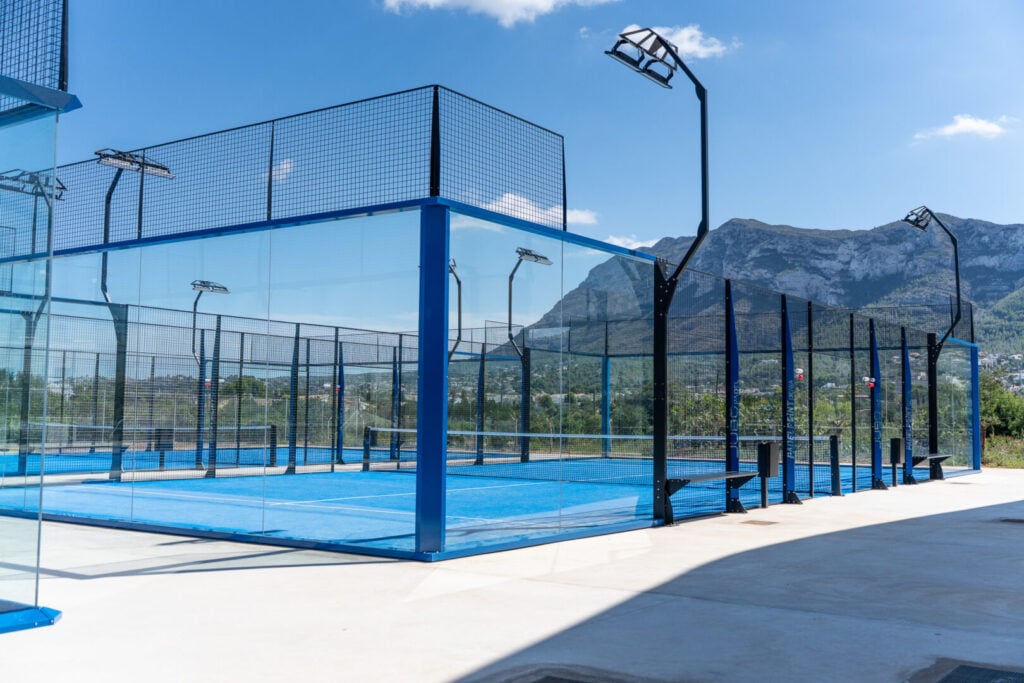
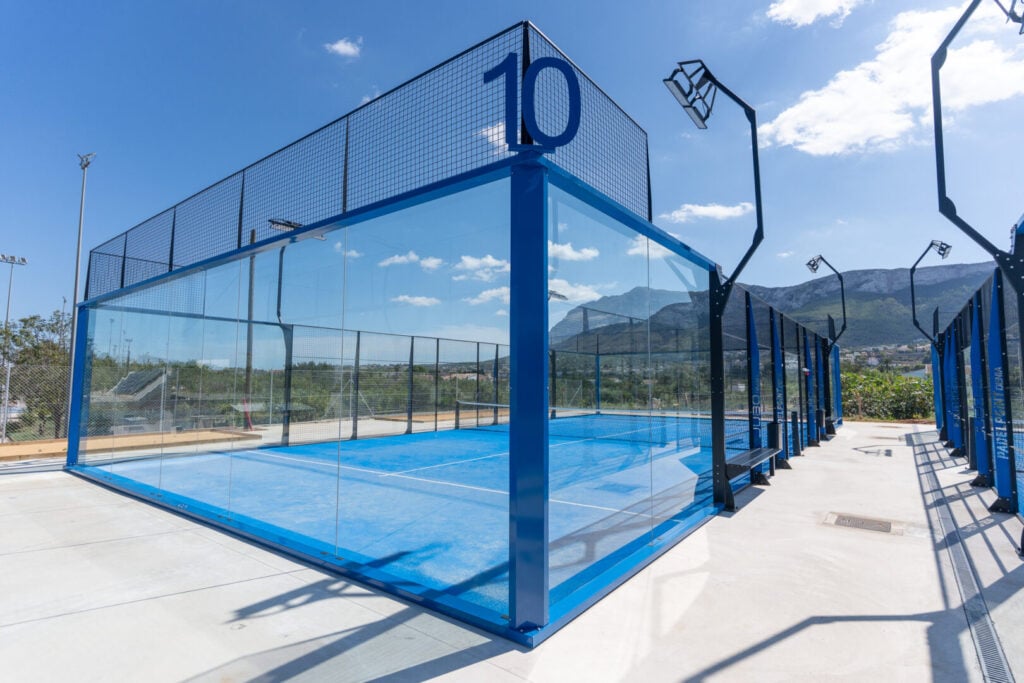
Apex supplies premium European-engineered padel courts for suitable private and commercial developments in Idaho. Our padel court range includes panoramic, glass, indoor and covered systems.
Commercial Padel Court Developments
Padel may complement an established racquet club or form part of a dedicated commercial sports facility. The enclosed court requires suitable foundations, structural anchoring and sufficient access around the steel framework and glass panels.
Commercial operators should plan the wider facility around bookings, coaching, player circulation, changing areas, customer access and ongoing maintenance.
Indoor Padel Courts
Indoor padel is particularly worth investigating where winter conditions limit outdoor play. Suitable existing sports buildings and commercial properties may accommodate courts where sufficient clear height, appropriate floors, ventilation and installation access are available.
However, the presence of a large open commercial floor does not automatically establish that the building is suitable. Structural loading, heating, lighting, accessibility, occupancy and fire-safety requirements should be reviewed before a conversion proceeds.
Explore our indoor padel court systems for further information.
Outdoor Padel Facilities
Outdoor courts may suit private properties, existing sports facilities and commercial developments where sufficient land and appropriately engineered foundations are available.
Idaho's seasonal temperature changes make ground preparation and drainage important. Water trapped beneath unsuitable pavement or foundations can freeze and contribute to movement or cracking.
Structural wind requirements should also be established for each property, particularly in exposed valleys and open landscapes.
Covered Court Systems
Covered padel courts may provide additional shelter from rainfall and snow, but the supporting roof must be engineered for the site's applicable snow and wind loads.
In colder parts of Idaho, snow drifting, accumulation and maintenance access may have a substantial influence on canopy design.
A covered outdoor court does not provide the same temperature control as an insulated and heated indoor building.
Premium Panoramic Courts
Panoramic padel courts may suit commercial clubs and appropriate private developments where visibility and appearance are priorities.
However, the final equipment specification should also account for foundations, environmental loading and long-term maintenance.
Apex helps coordinate court specifications with manufacturers, engineers and appropriate installation professionals. Learn more about our court project process.
Pickleball Courts in Idaho
Idaho already provides pickleball through municipal parks, dedicated commercial clubs, shared tennis facilities and indoor recreational programming.
Apex supports commercial pickleball court projects, including new playing surfaces, multi-court developments and suitable conversions of existing recreational facilities.
Purpose-Built Pickleball Courts
A regulation pickleball court measures 20 by 44 feet, while approximately 34 by 64 feet is preferred for the complete playing surface in new construction.
Commercial facilities also require space for player circulation, fencing, lighting, seating, accessibility and supporting amenities.
The number of courts should reflect the available site and intended operating model rather than simply maximizing the marked playing areas.
Indoor Pickleball Opportunities
The Flying Pickle in Meridian demonstrates an established commercial indoor pickleball model, while Idaho Falls provides seasonal indoor play within its ice arena.
These are different approaches to managing weather and facility availability. A dedicated indoor club may offer consistent bookings, while a seasonal conversion uses existing infrastructure during periods when the building is otherwise available.
Prospective operators should investigate building suitability, heating, cooling, acoustics and long-term operating costs.
Converting Existing Tennis Courts
Some existing tennis courts may be suitable for pickleball conversion where their dimensions, foundations, surface condition and drainage are appropriate.
Meridian's Settlers Park and other facilities demonstrate shared tennis and pickleball arrangements. However, the condition of an existing surface should be assessed before assuming new markings will provide a durable solution.
Seasonal Outdoor Facilities
Outdoor court availability can vary substantially across Idaho. Coeur d'Alene normally removes municipal tennis and pickleball nets in mid-November, while Idaho Falls installs outdoor nets seasonally at Lincoln Park.
These arrangements provide useful examples of how weather affects recreational operations.
Noise Near Residential Properties
Pickleball produces distinctive impact sounds that may be noticeable near homes and other noise-sensitive properties.
Court positioning, operating hours and possible acoustic mitigation should be assessed during planning, particularly for multi-court developments.
Commercial Market Research
Established public facilities and new private investment demonstrate recreational activity, but they do not guarantee demand for additional paid courts.
Padel and pickleball should be evaluated separately because they involve different playing formats, equipment and potential audiences.
Our Court Options
Several padel court configurations may suit Idaho developments depending on location and intended use.
- Indoor padel courts: Particularly relevant where winter conditions restrict outdoor playing opportunities.
- Panoramic padel courts: Suitable for premium clubs and private facilities where appearance and visibility are important.
- Glass padel courts: An option for professionally designed commercial and private playing environments.
- Covered padel courts: May provide additional weather protection where the roof and supporting structure meet applicable snow and wind requirements.
- High-wind padel courts: May warrant consideration for exposed locations following assessment of the required structural performance.
Matching the Court to the Property
A commercial building in Meridian may have different technical requirements from an exposed outdoor site near Twin Falls or a property affected by slopes and winter snow in North Idaho.
Site conditions and intended operation should determine the specification rather than assuming the same equipment and foundation approach will suit every Idaho location.
Local Construction Requirements
Idaho's Adopted Construction Codes
Idaho's Division of Occupational and Professional Licenses publishes the state's adopted building codes. Its current building-code framework is based on the 2018 International Building Code with Idaho amendments, alongside other adopted technical codes.
New buildings, covered court structures and relevant commercial conversions should be assessed against the requirements in force when the permit application is submitted.
The responsible local authority and qualified design professionals should confirm applicable structural, accessibility, fire and energy requirements.
Frost Protection and Foundation Design
Idaho experiences freezing temperatures across much of the state. Ground frost can influence outdoor court foundations and paved sports surfaces.
The appropriate construction method depends on local soils, drainage, frost depth and the intended structure.
A padel enclosure requires foundations designed to support its structural loads rather than simply providing a level playing surface.
Snow Loads and Covered Structures
Snow loading varies considerably across Idaho. An open valley location may have different requirements from a property at higher elevation.
Covered courts should be engineered for applicable roof snow loads, including drifting and the arrangement of the supporting structure.
A manufacturer's standard canopy specification should not be assumed suitable without professional verification.
Wind Exposure
Some Idaho sites experience substantial wind, particularly on open terrain or exposed valley properties.
Padel court steelwork, glass panels, fixings and anchoring should be assessed as a complete structure.
The required design loads depend on the site and applicable code provisions.
Irrigation Canals and Drainage Infrastructure
Parts of southern Idaho contain established irrigation canals, laterals and drainage systems.
These features can affect available land, access, easements and stormwater management. A court should not be placed over existing irrigation infrastructure without checking applicable rights and engineering requirements.
Where a proposed development may affect waterways or associated wetlands, additional environmental approvals may be necessary.
Idaho Construction Stormwater Permits
The Idaho Department of Environmental Quality administers the Idaho Pollutant Discharge Elimination System.
Construction disturbing one acre or more and discharging qualifying stormwater generally requires coverage under the Construction General Permit. Smaller areas can also require coverage where they form part of a larger common plan of development.
Qualifying projects require a Stormwater Pollution Prevention Plan, a Notice of Intent and appropriate erosion and sediment controls.
Smaller court projects may still require municipal grading, drainage or erosion-control approvals.
Wetlands and Protected Waterways
Construction involving regulated waters or wetlands can require federal permits and associated Idaho DEQ water-quality certification.
These requirements depend on the actual site and proposed disturbance. Ordinary outdoor courts on unaffected land do not automatically require federal wetlands permits.
Developers should identify relevant water features and obtain professional advice before altering drainage or placing fill.
Floodplain Development
Properties near rivers, lakes and drainageways may fall within mapped flood hazard areas.
Official FEMA information and local floodplain ordinances should be reviewed before excavation, grading or foundation construction begins.
Requirements can affect outdoor playing surfaces and associated structures, depending on the location and proposed work.
Municipal and County Zoning
Idaho cities and counties administer different zoning, grading, site-plan and building procedures.
A project inside Boise, Meridian or Idaho Falls may require different approvals from a nearby property in unincorporated county land.
Developers should establish the correct jurisdiction and permitted recreational use before committing to equipment or construction.
Equipment Delivery Across Idaho
Idaho's geography and distances between regional centers can influence the delivery of large padel court components.
Steel frames, glass panels and other equipment require suitable unloading access and coordination with installation professionals.
Freight, handling and installation arrangements should be confirmed for the actual property rather than assuming uniform statewide delivery costs.
Planning a Court in Idaho?
Tell us about your site and the type of court you are considering. Our team can help you explore the options.
Types of Court Projects
Padel and pickleball courts may support several types of Idaho development.
- Commercial racquet clubs: Dedicated facilities for bookings, coaching and memberships.
- Existing tennis and sports centers: Additional courts or suitable conversions of current recreational facilities.
- Indoor commercial buildings: Sports conversions where suitable dimensions and building approvals allow.
- Residential communities: Shared courts planned around access, noise and maintenance.
- Private properties: Individual recreational courts where land and approvals are suitable.
- Hotels and hospitality properties: Recreational amenities integrated into appropriate developments.
- Regional sports venues: Multi-court facilities designed around parking, circulation and expected bookings.
Considering Established Facilities
Boise and Meridian have substantial public and commercial pickleball facilities, while Idaho Falls and Coeur d'Alene demonstrate how seasonal weather influences court provision.
A prospective commercial operator should investigate existing competition, local demand and the services its venue could offer.
Emerging Padel Opportunities
Boise Padel Club's announced Meridian development provides evidence of investment in the sport, but its opening and commercial performance remain future considerations as of October 2026.
Any additional project should research its potential customers independently rather than treating a planned club as proof of market demand.
Explore our padel court projects for examples of court configurations and installation environments.
Planning Your Court Project
Before investing in an Idaho padel or pickleball development, the proposed property should be assessed for construction suitability and commercial requirements.
Initial Project Planning Checklist
- Available space: Confirm playing dimensions, safe clearances and supporting amenities.
- Property jurisdiction: Establish whether municipal or county regulations apply.
- Zoning: Confirm that the intended recreational use is permitted.
- Foundations: Assess ground conditions, frost depth and structural anchoring.
- Snow and wind: Establish appropriate structural loads for enclosures and covered courts.
- Drainage: Review runoff, irrigation easements and existing infrastructure.
- Environmental restrictions: Check floodplains, wetlands and protected waterways where relevant.
- Indoor buildings: Assess clear height, flooring, heating, ventilation and occupancy.
- Noise and lighting: Consider surrounding properties and operating hours.
- Delivery: Confirm suitable access for glass panels, steelwork and installation equipment.
- Permits: Establish zoning, building, grading, stormwater and any other approvals.
Coordinating Court Supply and Installation
Apex helps clients compare suitable equipment and coordinate technical requirements with manufacturers, engineers and appropriate installation professionals.
Early planning allows court structures, foundations and drainage to be assessed together before construction begins.
Learn more about our court project process.
Padel & Pickleball Court Costs
The cost of installing padel or pickleball courts in Idaho depends on the equipment, proposed location and wider development requirements.
Main Cost Considerations
- Court equipment: Different padel enclosures and pickleball surfaces have different specifications and prices.
- Frost and foundations: Ground preparation, suitable structural support and drainage influence the budget.
- Snow and wind engineering: Covered facilities and exposed courts may require additional structural design.
- Indoor conversions: Building alterations, heating, ventilation and accessibility can affect construction and operating costs.
- Site conditions: Sloping terrain, irrigation infrastructure or restricted access may require additional work.
- Stormwater permits: Qualifying developments may need erosion controls and state permit coverage.
- Supporting amenities: Parking, lighting, seating, fencing and player circulation should be included where appropriate.
- Delivery logistics: Freight distances, unloading arrangements and qualified installation professionals can influence pricing.
- Professional services: Engineering, permits and installation form part of the complete investment.
Our padel court cost guide explains the main pricing considerations. For a quotation tailored to your Idaho property, contact Apex Padel with details of the proposed site and court numbers.
Areas We Cover
Apex welcomes initial padel and pickleball court enquiries throughout Idaho, including Boise, Meridian, Coeur d'Alene, Idaho Falls and Twin Falls.
We can also discuss suitable developments elsewhere in the Treasure Valley, North Idaho, eastern Idaho and the Magic Valley.
Each property requires individual assessment of engineering, planning jurisdiction, freight and installation arrangements. Our city pages provide more specific information about local facilities and development conditions.
Contact Apex to discuss the proposed location, court specifications and next stages of planning.
Frequently Asked Questions
Planning padel and pickleball courts in Idaho.
Are indoor padel courts suitable for Idaho's climate?
Indoor padel may be particularly useful where freezing temperatures, snow or wind restrict outdoor playing opportunities. Suitable buildings require adequate clear height, appropriate floors, heating, ventilation, lighting and installation access. Commercial operators should assess construction and operating costs alongside the benefits of more consistent playing conditions.
Does Idaho already have commercial padel clubs?
Boise Padel Club has announced four indoor padel courts at 425 East Watertower Street in Meridian, with an opening scheduled for January 2027. As of October 2026, the development should be treated as planned rather than operating. Its announced location is in Meridian despite the Boise name.
What construction stormwater permits apply to Idaho sports courts?
Idaho DEQ generally requires Construction General Permit coverage for construction disturbing one acre or more and discharging qualifying stormwater. Smaller areas can also be covered when part of a larger common development. Requirements include a Stormwater Pollution Prevention Plan and Notice of Intent. Municipal grading and drainage approvals may apply to smaller projects.
Can Apex Padel coordinate court projects throughout Idaho?
Apex supplies premium European padel court systems and supports commercial pickleball project planning. We help clients review equipment specifications and coordinate with manufacturers and appropriate technical and installation professionals. Delivery and installation arrangements are established for each project.
Explore More Locations
Ready to Start Your Padel Project?
Premium court systems, clear guidance and support from initial enquiry through to project delivery.
Get a Quote