Padel & Pickleball Courts
in Norfolk, Virginia
Planning a padel or pickleball court in Norfolk, VA? Apex Padel supplies premium European padel court systems and supports commercial pickleball projects. We help military, urban indoor-club and institutional demand compare court specifications, understand site...
Premium Courts.
Built for Norfolk, Virginia.
Planning a padel or pickleball court in Norfolk, VA? Apex Padel supplies premium European padel court systems and supports commercial pickleball projects. We help military, urban indoor-club and institutional demand compare court specifications, understand site constraints and coordinate the equipment stage with suitable engineers, contractors and local professionals.
Norfolk, VA should not be approached as a generic court location. The relevant setting includes a dense Hampton Roads port and military city with tidal flood exposure, while the wider climate brings hot humid summers, heavy rain, winter freeze-thaw, coastal storms in Tidewater and terrain-driven conditions in the west. The court system, foundations, drainage, weather protection and operating model should all be selected for the actual property.
Explore Our Court Systems
Premium courts for commercial and private developments.
Padel & Pickleball in Norfolk, Virginia
Norfolk presents opportunities for purpose-built padel, dedicated pickleball and suitable indoor racquet facilities. A successful project needs more than court equipment: the location, access, planning position, customer base and full construction scope must work together.
A Distinct Virginia Market
The local context includes a dense Hampton Roads port and military city with tidal flood exposure. Potential demand may come from military, urban indoor-club and institutional demand. These groups have different expectations for booking systems, coaching, changing facilities, food and beverage, parking and opening hours.
Public participation in pickleball can be a useful market signal, but it is not proof that a new paid venue will succeed. Operators should assess existing public and private provision, drive times, pricing, customer interviews and the number of courts needed to support leagues and events.
Climate and Site Conditions
NOAA's state climate material describes conditions relevant to Virginia, including hot humid summers, heavy rain, winter freeze-thaw, coastal storms in Tidewater and terrain-driven conditions in the west. Outdoor court design should therefore account for the whole annual cycle rather than a typical summer day.
At property level, flood mapping, existing drainage, slopes, subsurface conditions and utility capacity can change feasibility and cost. Norfolk sites can vary substantially between neighborhoods, commercial corridors and surrounding communities.
Indoor, Outdoor and Covered Strategies
Outdoor courts can suit land-rich properties with appropriate drainage and structural foundations. Indoor courts provide more predictable scheduling but require suitable clear height, floor capacity, ventilation, fire and occupancy compliance, and delivery access for glass and steel components.
Covered courts can reduce direct exposure to sun or precipitation. The canopy is a separate engineered structure and must be designed for local wind, snow, drainage and foundation loads. It should not be treated as a lightweight accessory.
Verified Local Research
Norfolk Parks lists pickleball at Lafayette Park, East Ocean View, Huntersville and other municipal sites.
Indoor recreational programming complements outdoor court facilities.
Padel Courts in Norfolk, Virginia
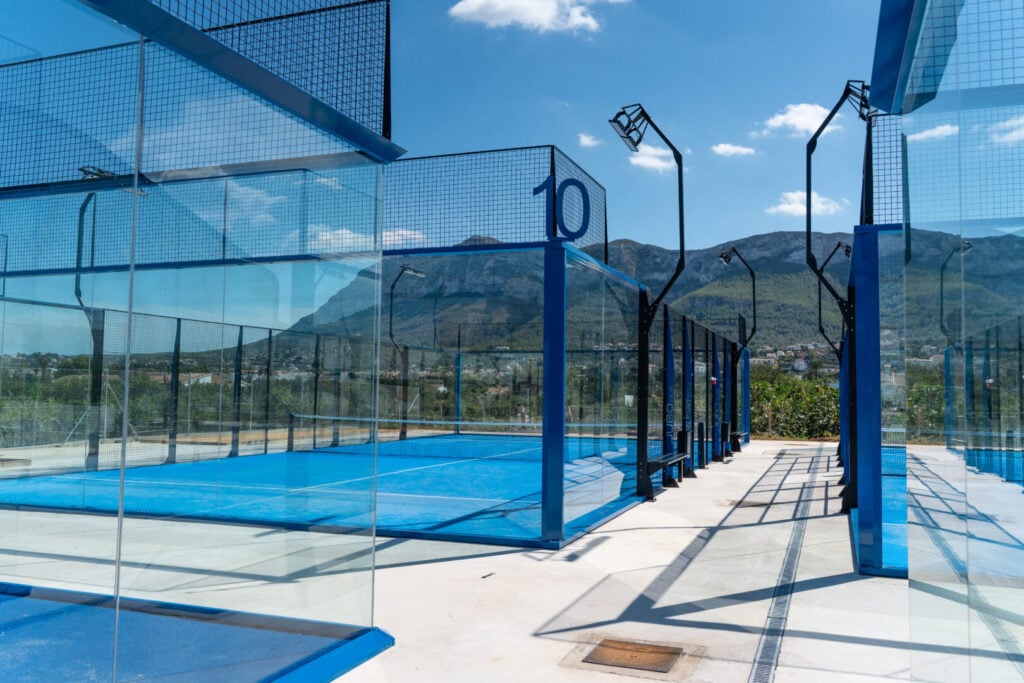
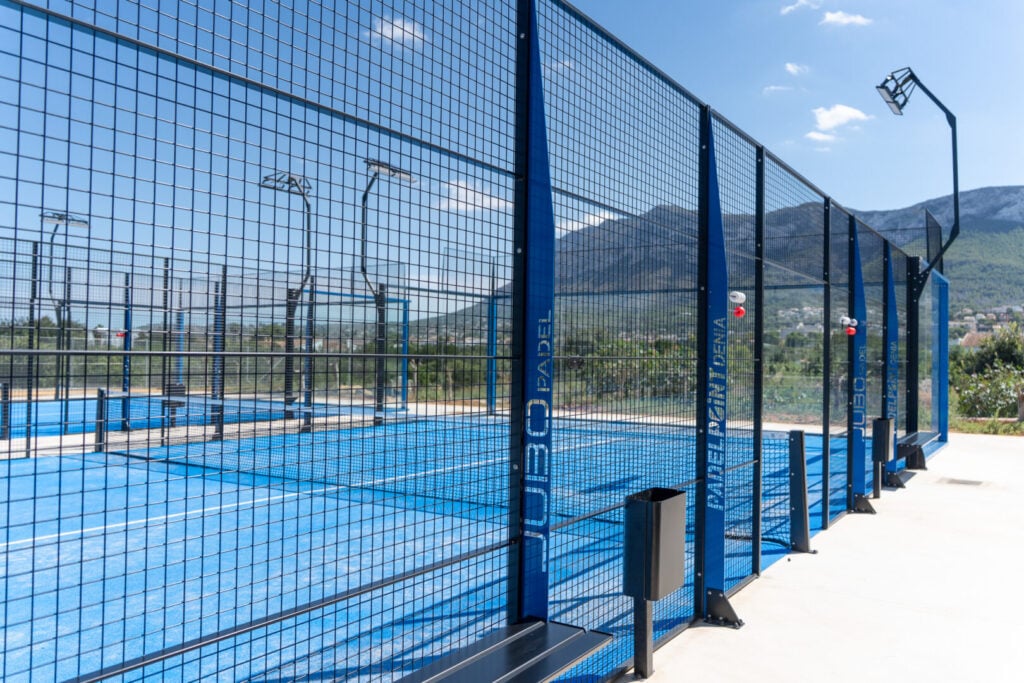
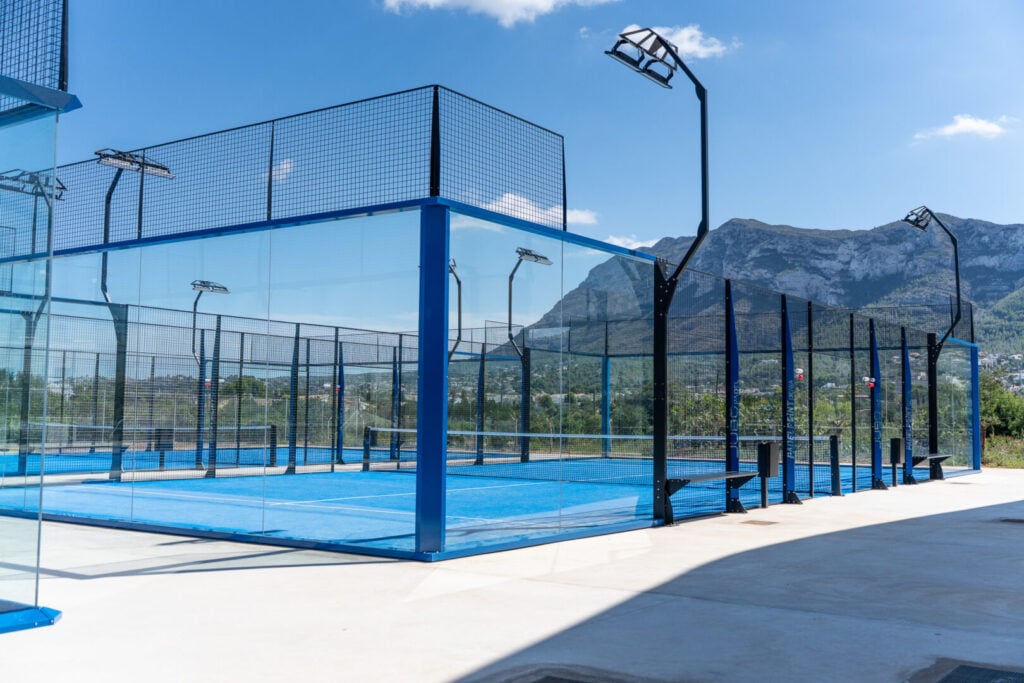
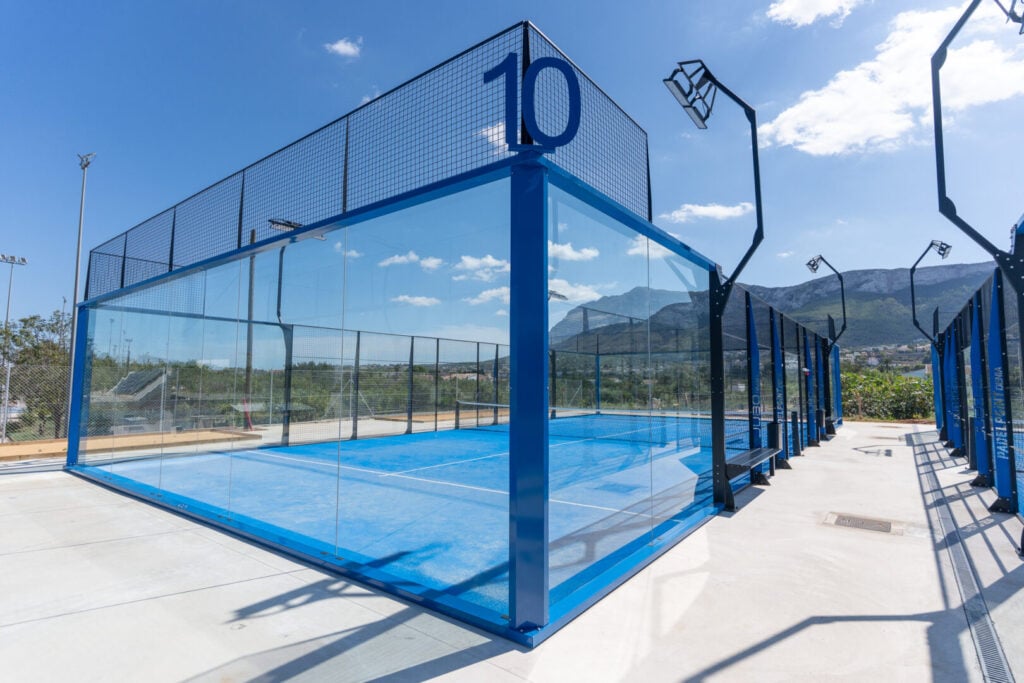
Apex supplies premium European-engineered padel courts for suitable commercial and private developments in Norfolk, VA. Our padel court range includes panoramic, glass, indoor, covered and high-wind systems.
Purpose-Built Padel Courts
A padel court is an engineered enclosure, not only a playing surface. Structural steelwork, glass panels, turf, lighting, drainage and anchors depend on a suitable base and coordinated construction tolerances.
The foundation should be designed for winter freeze-thaw, variable urban fill, clay soils and moisture beneath outdoor slabs. Reusing an existing tennis or parking slab may be possible only after its dimensions, level, drainage and structural capacity have been properly assessed.
Commercial Padel in Norfolk
Norfolk serves military, urban indoor-club and institutional demand. A commercial concept should define the intended number of courts, peak-hour capacity, coaching programme, memberships, casual bookings and supporting revenue before a property is committed.
Padel can complement tennis, fitness or hospitality uses, but demand should be researched independently. The novelty of the sport does not replace local customer testing or a realistic operating model.
Indoor Padel Facilities
Indoor padel courts may provide more reliable year-round play where hot humid summers, heavy rain, winter freeze-thaw, coastal storms in Tidewater and terrain-driven conditions in the west. Candidate buildings need adequate clear height, column spacing, slab performance, lighting, ventilation, acoustics and safe installation access.
Change of use, occupancy, accessibility, fire protection and parking can be as important as the court layout. A building should be reviewed by appropriate professionals before a long lease or purchase is finalized.
Outdoor Padel Courts
Outdoor padel may suit clubs, residential communities, hospitality properties and private sites where land and approvals allow. Orientation should consider sun, wind, nearby homes and the route for large components.
For a dense Hampton Roads port and military city with tidal flood exposure, the design should also address thunderstorm wind, occasional snow and the loads on lighting, glass and canopy systems. Court and foundation engineering must be considered together.
Covered and High-Wind Systems
Covered padel courts can improve shelter, while high-wind padel systems may suit exposed sites. Neither option removes the need for site-specific structural design.
Roofs can increase uplift and foundation loads. Drainage from a canopy must be directed without creating ponding around the playing slab or discharging onto neighboring property.
Panoramic Presentation
Panoramic padel courts can suit premium clubs, resorts and showcase locations where visibility matters. Presentation should be balanced with the structural, maintenance and operational needs of the selected site.
Apex helps coordinate court specifications with manufacturers and the wider project team. Learn more about our supply and installation process.
Pickleball Courts in Norfolk, Virginia
Apex supports commercial pickleball court projects in Norfolk, VA, including purpose-built outdoor courts, multi-court venues, indoor facilities and suitable conversions of existing recreational surfaces.
Documented Local Recreation Context
NOAA's Virginia climate summary documents hot humid summers, heavy rain, winter freeze-thaw, coastal storms in Tidewater and terrain-driven conditions in the west, conditions relevant to foundations, structures and outdoor court operations in Norfolk.
This official or public-sector information is useful context for market research, but a proposed commercial venue still needs its own demand, pricing and competition assessment.
Purpose-Built Court Layouts
A regulation pickleball court measures 20 by 44 feet. New construction generally works better with a larger overall playing area that allows safe run-off, circulation, fencing, seating and access between courts.
Multi-court facilities also need space for queuing, spectators, storage, accessible routes, lighting and maintenance. A layout should reflect the operating model rather than squeezing the maximum number of lines onto a parcel.
Indoor Pickleball in Norfolk
Indoor venues can provide reliable play when hot humid summers, heavy rain, winter freeze-thaw, coastal storms in Tidewater and terrain-driven conditions in the west. The building should be assessed for clear height, lighting, ventilation, thermal comfort, fire safety and acoustic treatment.
Pickleball impact noise can be pronounced inside reflective industrial buildings. Acoustic design should be considered early, especially where several courts operate at the same time.
Outdoor Surface Performance
Outdoor courts need suitable subgrade preparation, drainage, surfacing and maintenance. For Norfolk, particular attention should be given to winter freeze-thaw, variable urban fill, clay soils and moisture beneath outdoor slabs.
Low spots, uncontrolled runoff and movement beneath the slab can shorten the life of the playing surface. Repairs to an unsuitable base are rarely solved by a new color coating alone.
Tennis Court Conversions
Some tennis courts can be converted where dimensions, foundations, drainage and surrounding clearances are suitable. Permanent pickleball use may require resurfacing, dedicated nets, fencing changes and revised access.
Shared lines can support flexible recreation, but a commercial venue should distinguish temporary multi-use courts from dedicated inventory when estimating capacity.
Noise, Lighting and Neighbors
Pickleball noise and evening lighting can affect nearby homes. Court orientation, separation distances, barriers, operating hours and booking policies should be considered before permits and construction documents are finalized.
Weather and Player Comfort
Project planning should address summer shade, winter maintenance, lighting control and neighborhood noise management. Shade, water, rest areas and safe weather procedures can materially affect the quality and reliability of an outdoor facility.
Commercial Feasibility
Participation in public pickleball does not automatically establish demand for a paid club. Developers should test membership and casual-booking interest, identify peak demand, compare alternatives and model realistic staffing and maintenance costs.
Our Court Options
The best court specification for Norfolk depends on climate, exposure, intended playing season, customer expectations and the actual construction site.
- Panoramic padel courts: Suited to premium clubs, hospitality properties and showcase courts where presentation and spectator visibility matter.
- Indoor padel courts: Worth considering where year-round scheduling and protection from hot humid summers, heavy rain, winter freeze-thaw, coastal storms in Tidewater and terrain-driven conditions in the west are important.
- Covered padel courts: Can provide shade or precipitation protection when the roof, drainage and foundations are engineered for the property.
- Glass padel courts: Suitable for professionally designed commercial or private facilities with appropriate structural support.
Selecting a System
An equipment choice should follow site review rather than precede it. Structural loads, foundation reactions, drainage, clearances and installation access need to be coordinated with the court supplier and design team.
Indoor and outdoor strategies also have different operating costs. Heating, cooling, ventilation, snow or storm maintenance and surface care should be included in the long-term plan.
Local Construction Requirements
Climate-Based Design
NOAA's state climate summary documents hot humid summers, heavy rain, winter freeze-thaw, coastal storms in Tidewater and terrain-driven conditions in the west. These conditions influence surface selection, player comfort, construction scheduling and the engineering of steel, glass, lighting and roof systems.
Statewide climate information is only a starting point. A qualified team should establish site-specific wind, snow, seismic, flood and soil criteria for the actual address.
Foundations and Ground Investigation
Padel enclosures transfer loads into structural foundations, while both padel and pickleball need a stable, level playing base. The design should address winter freeze-thaw, variable urban fill, clay soils and moisture beneath outdoor slabs.
Existing slabs should not be accepted from appearance alone. Level, thickness, reinforcement, drainage falls, cracking and subsurface conditions may require testing.
Wind, Snow and Structural Loads
The complete structure should be assessed for thunderstorm wind, occasional snow and the loads on lighting, glass and canopy systems. Glass panels, posts, lights, roofs, anchors and foundations work as one system.
Manufacturer information supports design, but local engineers remain responsible for applying the code criteria and confirming the foundation solution for the property.
Drainage and Flood Review
Courts create substantial impervious area. Planning should consider intense rainfall, river or tidal flooding and municipal stormwater requirements.
FEMA mapping can help identify mapped flood hazards, but it does not replace local topographic, drainage or civil-engineering review. Finished court levels and access routes should be coordinated with the wider property.
Construction Stormwater
EPA explains that construction activity disturbing one acre or more, or smaller sites that are part of a larger common plan, may require construction-stormwater permit coverage. State and local programs can impose additional or lower thresholds.
The disturbed area can include the court, foundations, parking, paths, utilities, grading and staging. Erosion controls and final stabilization should be planned before work begins.
Zoning and Development Review
Norfolk, the relevant county or municipality, and the state environmental permitting agency may administer zoning, site-plan, grading, drainage, lighting, building and trade approvals. The responsible jurisdiction must be established from the parcel address; a postal city name does not always identify the permitting authority.
Commercial recreation can raise land-use, parking, traffic, hours and noise questions even where the court itself is outdoors.
Indoor Building Compliance
Warehouse or retail conversions may require a change of occupancy, accessibility work, fire protection, emergency egress and upgraded mechanical or electrical systems.
Clear height should be checked below beams, lights, ducts and sprinklers, not only at the roof ridge. Installation access for large components should also be confirmed.
Noise and Sports Lighting
Padel and pickleball both create repeated impact sound. Sports lighting can affect neighbors and roads if glare is not controlled.
Layouts should use distance, orientation, barriers and operating policies to reduce conflict. Sensitive sites may need professional acoustic or lighting design.
Utilities and Supporting Infrastructure
Commercial facilities need reliable power, drainage, restrooms, accessible routes, parking and communications. Indoor venues may also need substantial heating, cooling and ventilation capacity.
Utility availability should be checked before the court count and property budget are finalized.
Operations and Maintenance
The operating plan should include summer shade, winter maintenance, lighting control and neighborhood noise management. Maintenance responsibilities for glass, turf, surfacing, nets, drains, lights and structures should be assigned from the outset.
Professional Review
Apex supplies court systems and helps coordinate information, but site feasibility, engineering, permitting and construction must be handled by appropriately qualified professionals. Requirements should be confirmed before equipment is ordered.
Local permitting path
Norfolk VA Planning / Building Safety
Planning a Court in Norfolk, Virginia?
Tell us about your site and the type of court you are considering. Our team can help you explore the options.
Types of Court Projects
Padel and pickleball courts may suit several types of development in Norfolk.
- Commercial racquet clubs: Multi-court venues designed for bookings, coaching, memberships, leagues and events.
- Existing tennis or fitness centers: Additional padel or dedicated pickleball facilities where land and structures allow.
- Indoor building conversions: Year-round facilities in buildings with adequate height, floor capacity and compliant occupancy.
- Hotels and resorts: Guest amenities aligned with the property's service level and operating season.
- Residential communities: Shared amenities planned around neighbors, access and long-term maintenance.
- Private properties: Individual courts where space, engineering and local approvals are suitable.
- Educational or institutional sites: Courts planned around safeguarding, scheduling and campus infrastructure.
Matching the Model to Norfolk
The local opportunity may include military, urban indoor-club and institutional demand. Each segment has different price sensitivity, peak hours and facility expectations.
A commercial proposal should be supported by direct customer research and a complete financial model. Public-court use and general sports participation are useful context, but do not establish a profitable court count.
Explore Apex court projects for examples of different configurations.
Planning Your Court Project
Planning a court project in Norfolk should begin with the property and operating concept, not an equipment order.
Initial Planning Checklist
- Customer and court count: Define the catchment, expected peak demand and viable number of courts.
- Available space: Confirm playing dimensions, run-off, circulation, parking and supporting amenities.
- Jurisdiction and zoning: Identify the correct authority and whether the recreational use is allowed.
- Survey and levels: Map boundaries, slopes, drainage routes and existing services.
- Ground conditions: Assess winter freeze-thaw, variable urban fill, clay soils and moisture beneath outdoor slabs.
- Structural criteria: Establish wind, snow, seismic and canopy requirements for the exact site.
- Stormwater: Calculate total disturbed and impervious area and identify required controls.
- Indoor suitability: Check clear height, columns, slab, fire safety, accessibility and ventilation.
- Neighbors: Review noise, lighting, operating hours and traffic.
- Construction access: Confirm routes for glass, steel, lifting equipment and concrete work.
- Utilities: Verify power, drainage, restrooms and mechanical capacity.
- Programme: Allow time for design, permits, procurement and weather-sensitive construction.
Coordinating the Project Team
A typical project may involve the owner, operator, court supplier, architect, civil and structural engineers, geotechnical adviser, general contractor, surfacing specialists and local authorities.
Apex helps clients compare systems and coordinate manufacturer information with the wider design and installation team. Learn more about our process.
Padel & Pickleball Court Costs
The cost of a padel or pickleball development in Norfolk depends on much more than the court package.
Main Cost Factors
- Court specification: Panoramic, indoor, covered and high-wind systems have different equipment and structural requirements.
- Ground preparation: Excavation, unsuitable material, grading, retaining and stabilization can materially change the budget.
- Foundations: The design must address winter freeze-thaw, variable urban fill, clay soils and moisture beneath outdoor slabs.
- Drainage: Collection, detention, treatment and discharge work may extend beyond the playing area.
- Indoor conversion: Fire, accessibility, mechanical, electrical and occupancy improvements may be required.
- Weather protection: Canopies and buildings introduce separate structural and foundation costs.
- Lighting and power: Sports lighting, utility upgrades and controls should be included.
- Site infrastructure: Parking, paths, fencing, landscaping, restrooms and player amenities form part of the investment.
- Professional services: Surveys, design, engineering, permits and inspections should be budgeted.
- Logistics: Freight, staging, lifting access and weather delays can affect installation.
- Operations: Staffing, heating or cooling, cleaning, maintenance and insurance influence the business case.
Our padel court cost guide explains the main pricing categories. For a project-specific discussion, contact Apex Padel with the location, proposed number of courts and any available site information.
Areas We Cover
Apex welcomes padel and pickleball enquiries in Norfolk and the surrounding market, including Virginia Beach, Chesapeake, Portsmouth, Hampton.
We can discuss commercial clubs, indoor conversions, hospitality amenities, residential-community courts and appropriate private developments.
For broader information, visit our Virginia court supply page. Project scope and service arrangements are confirmed individually after the property and required court system are reviewed.
Frequently Asked Questions
Planning padel and pickleball courts in Norfolk, Virginia.
Should I plan an indoor or outdoor padel court in Norfolk?
The answer depends on the intended playing season, property and business model. Indoor courts offer predictable scheduling when hot humid summers, heavy rain, winter freeze-thaw, coastal storms in Tidewater and terrain-driven conditions in the west, while suitable outdoor sites may reduce building costs. Covered courts can add protection but still require site-specific wind, drainage and foundation engineering.
What site work is normally required for a padel court in Norfolk?
Typical work can include survey, grading, drainage, structural foundations, a level playing base, utility and lighting infrastructure, access and landscaping. The design should address winter freeze-thaw, variable urban fill, clay soils and moisture beneath outdoor slabs. Existing paving should be assessed before it is assumed reusable.
Do court projects in Norfolk, VA need permits?
Many projects require some combination of zoning, site-plan, grading, stormwater, structural, building, electrical or lighting approvals. Construction stormwater requirements may also apply according to the disturbed area and local program. The responsible authorities and current rules should be confirmed for the exact parcel.
Can Apex Padel support a project in Norfolk?
Apex supplies premium European padel court systems and supports commercial pickleball planning. We help clients compare equipment and coordinate manufacturer information with suitable engineers, contractors and installation professionals. Final arrangements depend on location, court count and construction scope.
Explore More Locations
Ready to Start Your Padel Project?
Premium court systems, clear guidance and support from initial enquiry through to project delivery.
Get a Quote