Padel & Pickleball Courts
in Ketchikan, Alaska
Planning a padel or pickleball court in Ketchikan, Alaska? Apex Padel supplies premium European padel court systems and supports commercial pickleball developments, helping clubs, developers and private property owners assess suitable court options and construction...
Premium Courts.
Built for Ketchikan, Alaska.
Planning a padel or pickleball court in Ketchikan, Alaska? Apex Padel supplies premium European padel court systems and supports commercial pickleball developments, helping clubs, developers and private property owners assess suitable court options and construction requirements.
Ketchikan's exceptionally wet climate, coastal location and mountainous surroundings create particular challenges for outdoor sports facilities. Whether you're considering an indoor court, an existing sports building conversion or a new outdoor development, Apex can help review the technical requirements and coordinate the next stages of your project. Equipment delivery and installation arrangements in Alaska are assessed individually.
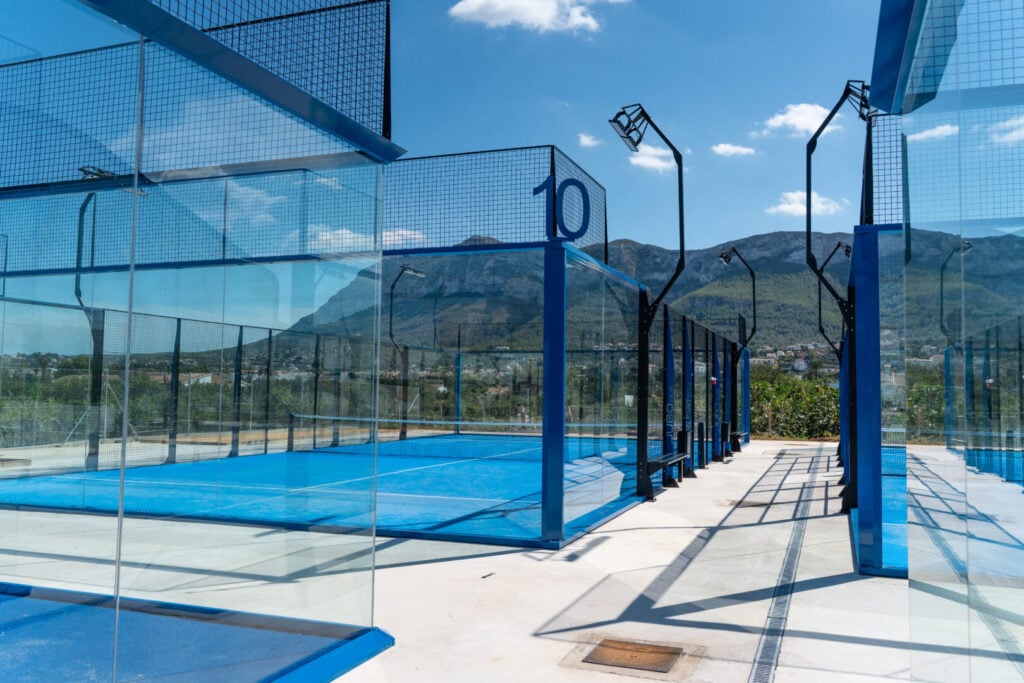
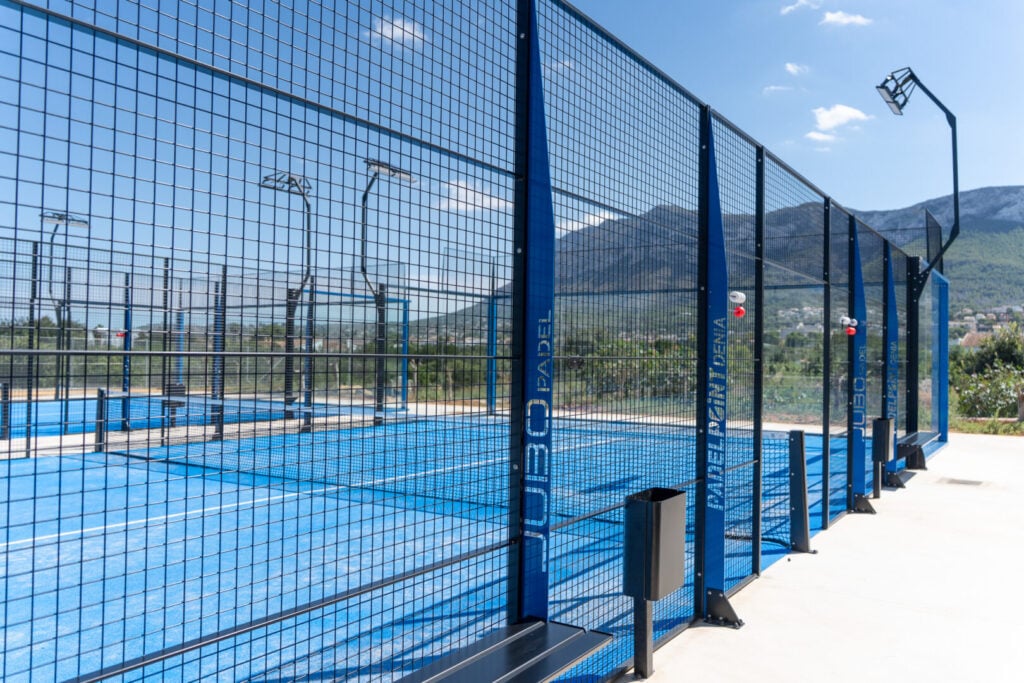
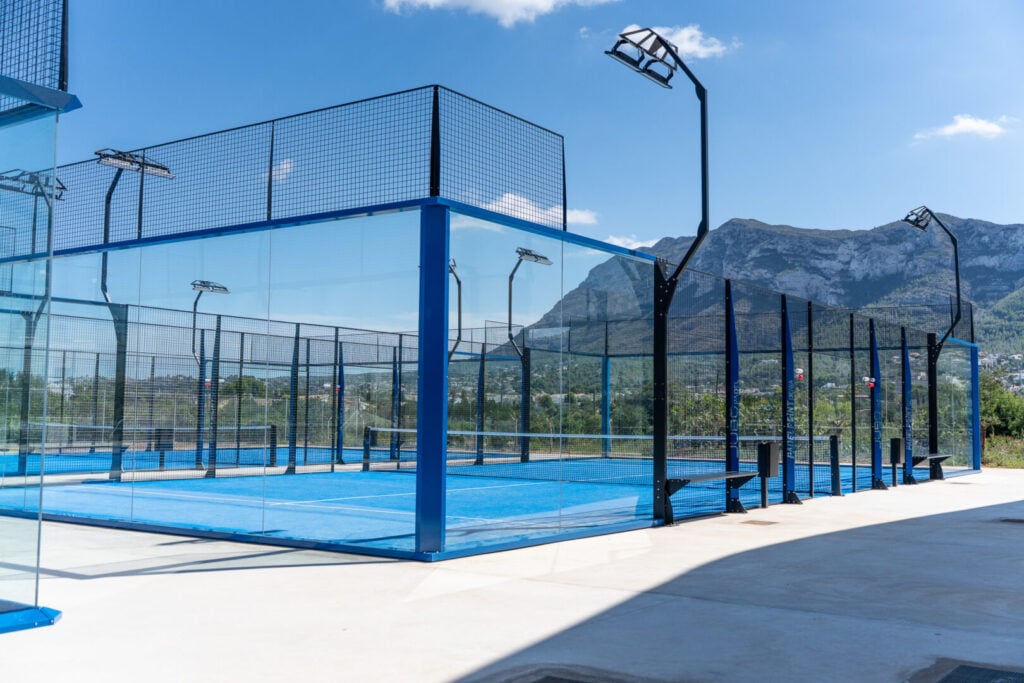
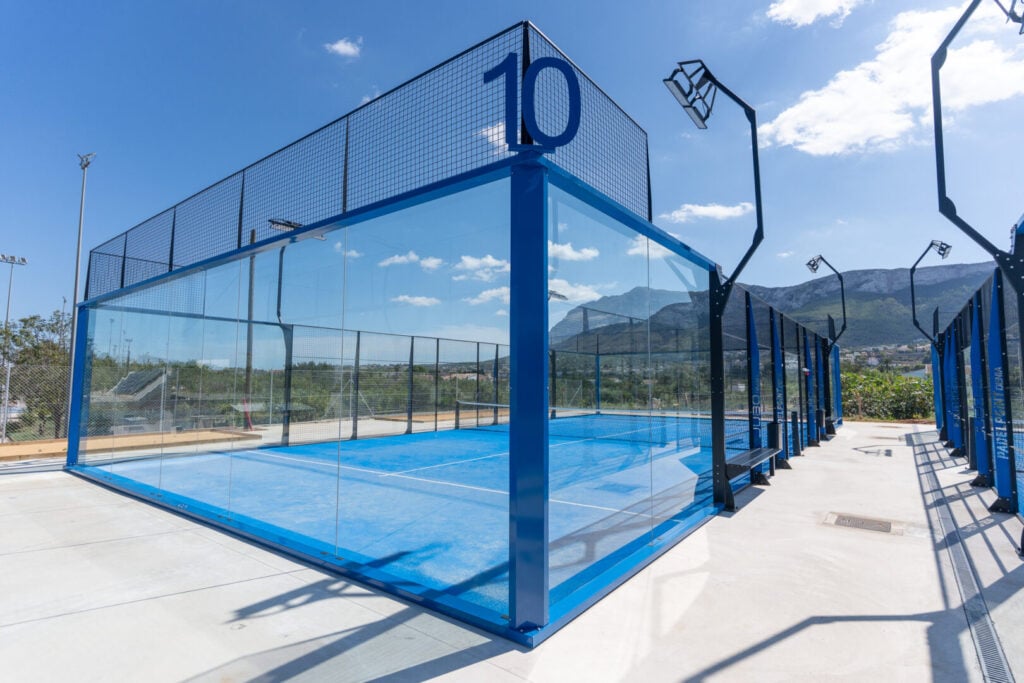
Explore Our Court Systems
Premium courts for commercial and private developments.
Padel & Pickleball in Ketchikan, Alaska
Ketchikan is located on Revillagigedo Island in Southeast Alaska, along the Tongass Narrows. The community is surrounded by mountainous terrain and the Tongass National Forest, with much of its developed land concentrated along the waterfront and existing road corridors.
These geographical characteristics influence the opportunities available for new recreational facilities. Finding a level site with sufficient space for courts, access and supporting infrastructure can require more investigation than in cities with extensive areas of relatively flat land.
Existing Pickleball Facilities in Ketchikan
The Ketchikan Gateway Borough already provides indoor pickleball through its Gateway Recreation Center on Schoenbar Road. The facility includes two full-size gymnasiums used for several recreational activities, including basketball, soccer, volleyball and pickleball.
The borough publishes a regular drop-in pickleball schedule, with sessions available on multiple weekdays and Sundays. The activity forms part of the recreation center's wider public sports program rather than operating as a dedicated commercial pickleball club.
For developers considering a new facility, this provides evidence of an existing playing community. However, a commercial project should establish whether dedicated courts, additional availability, coaching or other facilities would offer sufficient value beyond established recreational provision.
Developing Courts in a Coastal Community
Ketchikan's climate is an important factor in deciding whether courts should be indoors, outdoors or covered. Frequent rainfall can affect outdoor playing schedules and increase the maintenance demands placed on exposed surfaces and structures.
Indoor facilities can offer more predictable availability, particularly for commercial operators relying on regular bookings. Outdoor courts remain possible where suitable land and engineering conditions exist, but the playing surface, drainage and surrounding infrastructure must be designed for the proposed location.
Apex helps clients consider these requirements before selecting equipment or committing to construction.
Padel Courts in Ketchikan, Alaska
Apex supplies premium European-engineered padel courts for private and commercial developments. Our padel court range includes indoor, panoramic, glass, covered and high-wind systems, with specifications selected around the site and intended use.
For Ketchikan, the first decision is often whether an existing building can accommodate the proposed facility or whether suitable land is available for new construction.
Indoor Padel Courts in Ketchikan
Indoor padel courts deserve particular consideration in Ketchikan because an enclosed facility can provide protection from persistent rainfall and seasonal weather.
Existing sports buildings, suitable commercial properties and purpose-built recreational facilities may offer opportunities for indoor padel. However, the building must provide sufficient clear height, appropriate floor conditions and enough space for the court enclosure and surrounding access areas.
Padel courts incorporate structural steelwork and glass panels that require suitable foundations and installation access. Lighting, ventilation and player circulation must also be considered as part of the wider facility.
Our indoor padel court systems can be considered for appropriately designed buildings and commercial conversions.
Outdoor Padel Court Installations
Outdoor padel courts may suit selected commercial, residential or recreational properties where the ground conditions and available space allow.
Ketchikan's rainfall makes drainage particularly important, while coastal exposure may influence the specification of steelwork, structural connections and protective finishes.
Properties near exposed waterfront locations may also require additional consideration of wind loading. The suitability of a standard or reinforced padel structure should be assessed against the actual site rather than assuming the same specification is appropriate throughout the city.
Covered courts can provide shelter from precipitation, but the supporting structure must be engineered for local wind and snow requirements.
Apex helps coordinate the court specification with manufacturers and appropriate technical professionals. Installation availability, freight arrangements and site access must be confirmed before a Ketchikan project can proceed.
Pickleball Courts in Ketchikan, Alaska
Pickleball already forms part of Ketchikan's public recreational offering. The Gateway Recreation Center provides organized drop-in sessions within its multipurpose gymnasiums, demonstrating how indoor spaces can accommodate the sport.
Apex supports commercial pickleball court projects, helping property owners and sports operators consider new construction, existing court conversions, playing surfaces and appropriate facility layouts.
Dedicated Indoor Pickleball Courts
Indoor pickleball may be worth considering for commercial developments in Ketchikan, particularly where operators want to provide regular playing opportunities without relying on suitable outdoor weather.
An existing gymnasium or commercial building may offer conversion opportunities where the dimensions, floor condition and supporting infrastructure are appropriate.
A regulation pickleball court measures 20 by 44 feet. However, a complete playing area of approximately 34 by 64 feet is preferred for new construction. Commercial facilities also need to consider player circulation, lighting, waiting areas and any supporting amenities.
Dedicated courts can offer different playing conditions from temporary multi-sport arrangements, although their commercial viability depends on local participation, existing provision and the intended operating model.
Outdoor Pickleball Construction
Outdoor pickleball courts require particular attention to drainage in Ketchikan. Persistent moisture and inadequate surface preparation can contribute to standing water, premature deterioration and reduced playing availability.
The proposed base should be designed around the existing ground, surface levels and surrounding drainage infrastructure. Asphalt or concrete may provide suitable foundations when correctly specified for the location and chosen sports surface.
Commercial developments should also consider fencing, lighting, court orientation and the effect of noise on neighboring properties.
Converting Existing Sports Surfaces
Some existing hard courts may be suitable for pickleball conversion, provided their foundations, surface condition, drainage and dimensions are appropriate.
In Ketchikan, an existing paved surface should not be assumed suitable simply because it appears level. The condition of the underlying base and its ability to manage rainfall should be assessed before deciding whether resurfacing is sufficient.
Where substantial repairs are necessary, purpose-built construction may provide a more appropriate long-term solution.
Our Court Options
Several court configurations could suit projects in Ketchikan. The most appropriate choice depends on the property, expected usage and level of exposure to local weather.
- Indoor padel courts: Particularly relevant for clubs and commercial facilities seeking consistent playing conditions throughout Ketchikan's wet climate.
- Covered padel courts: Worth considering for suitable outdoor sites where additional protection from rainfall could improve playing availability. The cover must be engineered for local structural requirements.
- High-wind padel courts: May be appropriate for exposed coastal locations where stronger wind conditions influence the structural specification.
- Panoramic padel courts: Suitable for premium sports venues where visibility, appearance and the playing experience are priorities.
- Glass padel courts: An option for commercial and private facilities seeking a showcase playing environment, subject to suitable structural design.
Choosing Between Covered and Indoor Facilities
A covered outdoor court provides protection from some rainfall but does not offer the same environmental control as an enclosed building. Wind-driven rain, cold temperatures and moisture can still affect play, depending on the structure and its orientation.
Indoor facilities can provide more consistent scheduling but introduce building, ventilation, heating and maintenance requirements.
For commercial operators, the decision should consider the intended playing schedule, available property and long-term operating costs rather than focusing on equipment prices alone.
Local Construction Requirements
Exceptional Annual Rainfall
Ketchikan receives considerably more precipitation than most US cities. National Weather Service records identify approximately 149.5 inches of average annual precipitation under the 1991-2020 climate normals.
This level of rainfall makes surface water management one of the most important considerations for outdoor court construction. The playing area, foundations and surrounding ground should be designed to prevent persistent standing water and direct runoff into appropriate drainage infrastructure.
For padel courts, drainage must also be considered around the supporting foundations and enclosure. For pickleball, the base and sports surface need appropriate levels and water management to maintain consistent playing conditions.
Steep Terrain and Hillside Construction
Ketchikan's developed areas occupy a narrow coastal landscape backed by steep, forested terrain. Properties with substantial changes in elevation may require additional preparation before a level sports court can be constructed.
Depending on the site, this could involve excavation, grading, retaining structures or more detailed ground investigations.
The stability of surrounding slopes must also be considered where construction involves cutting into hillsides or changing existing drainage patterns.
Landslide Risk and Ground Investigations
On August 25, 2024, a major landslide affected the Third Avenue area of Ketchikan, damaging homes and infrastructure. Local authorities subsequently coordinated geological assessments and published information about the event and related hazards.
This incident does not mean every hillside property is unsuitable for development. However, it demonstrates why slope stability and drainage deserve careful consideration where construction is proposed on or below steep terrain.
For a padel or pickleball court, a qualified geotechnical professional should assess relevant site conditions before major excavation, foundation construction or retaining work begins.
The findings may influence the position of the court, the design of the foundations and the feasibility of the proposed development.
Coastal Wind and Corrosion Exposure
Ketchikan's location along the Tongass Narrows creates additional considerations for outdoor structures exposed to marine conditions.
Salt-laden air and persistent moisture can increase the risk of corrosion where unsuitable materials or protective finishes are used. Steelwork, fixings, brackets and other exposed components should be selected with the intended environment in mind.
Wind exposure varies between sheltered sites and more exposed waterfront properties. A qualified engineer should establish the appropriate structural requirements for the actual location.
Our high-wind padel court options can provide a starting point for discussing suitable specifications, but their suitability must be confirmed for the individual project.
Floodplain and Waterfront Considerations
The Ketchikan Gateway Borough administers floodplain development requirements under its participation in the National Flood Insurance Program.
Development within designated Special Flood Hazard Areas can require a separate Floodplain Development Permit, even where a zoning permit has already been obtained.
The borough identifies grading, excavation, paving and the construction of structures as activities that may require floodplain review when undertaken within designated areas.
Property owners should check official FEMA flood mapping and confirm any applicable restrictions before planning extensive ground preparation or construction.
Rainwater Runoff and Existing Infrastructure
Heavy rainfall can place significant demands on drainage systems, particularly where new construction increases the amount of hard surfacing.
A court development should account for how water moves across the site and where it will discharge. Runoff should not be redirected in a way that creates problems for neighboring properties, slopes or existing infrastructure.
Projects involving significant grading or changes to drainage may require additional engineering and development approvals.
Snow, Freezing Conditions and Structural Loads
Ketchikan has a relatively mild maritime climate compared with Interior Alaska, but snowfall and freezing temperatures remain relevant to court construction.
Outdoor surfaces should be designed to manage water and seasonal temperature changes. Where moisture enters cracks or the underlying base, freezing can contribute to deterioration.
Covered padel courts and indoor buildings must also be assessed for applicable snow and wind loads. These requirements depend on the structure and its location.
Zoning and Building Permits
Court projects in Ketchikan may require approvals from both the Ketchikan Gateway Borough and the City of Ketchikan.
The borough's Planning and Community Development Department administers land-use and zoning applications. Depending on the proposed development, a Zoning Permit, Conditional Use Permit or Floodplain Development Permit may be required.
Within Ketchikan city limits, the City's Building Inspections Division administers building permits. The city also provides applications for site development, excavation and other construction activities.
Commercial developers should establish the property's zoning district, intended recreational use and applicable construction requirements before finalizing their plans.
Properties outside city limits may follow different building and development procedures, making it important to confirm the relevant jurisdiction.
Planning a Court in Ketchikan, Alaska?
Tell us about your site and the type of court you are considering. Our team can help you explore the options.
Types of Court Projects
Padel and pickleball facilities can serve several types of commercial and private properties in Ketchikan. The available space, intended audience and local construction requirements should guide the design.
- Indoor sports centers: Dedicated courts providing recreational play, coaching and scheduled bookings without depending on suitable outdoor weather.
- Racquet and fitness clubs: Additional playing facilities that complement existing sporting activities and membership services.
- Commercial property conversions: Suitable existing buildings adapted for indoor padel or pickleball where dimensions, structural conditions and permits allow.
- Hotels and hospitality properties: Recreational amenities incorporated into appropriate indoor facilities or engineered outdoor locations.
- Residential communities: Shared courts planned around resident access, maintenance and nearby properties.
- Private properties: Individual recreational courts where adequate space, suitable ground conditions and development approvals are available.
Commercial Opportunities in Ketchikan
Ketchikan's established recreation facilities provide a starting point for evaluating potential new developments. The Gateway Recreation Center already accommodates indoor pickleball alongside other sports, demonstrating that local players have access to organized recreational sessions.
A commercial venue should therefore consider how it would differentiate itself. Dedicated playing areas, additional booking availability, private coaching and supporting facilities may form part of a proposed business model.
Padel could offer a different racquet sport within an existing club or new sports development. However, local demand should be researched rather than assumed from national participation figures.
Hospitality and Private Recreational Facilities
Ketchikan is a well-established visitor destination, with hospitality businesses serving cruise passengers, independent travelers and other visitors.
Suitable hotels, lodges or private recreational developments may consider courts as part of a broader leisure offering. However, the available space, operating season and suitability of the property should be assessed before proposing an installation.
For private facilities, construction access and long-term maintenance may be particularly important where the property is remote or exposed to coastal conditions.
Our padel court projects provide examples of different court configurations and installation environments.
Planning Your Court Project
Before investing in a padel or pickleball court in Ketchikan, property owners should establish whether the proposed site can accommodate the intended facility and what work will be required.
Essential Site Planning Checks
- Available dimensions: Confirm court space, safety clearances, access routes and any supporting facilities.
- Ground levels: Assess whether excavation, grading or retaining structures may be necessary.
- Slope stability: Investigate relevant hillside conditions and the potential effects of changing existing ground or drainage.
- Drainage: Plan for substantial rainfall and ensure runoff is managed appropriately.
- Coastal exposure: Consider wind loading, corrosion protection and long-term maintenance requirements.
- Indoor suitability: For building conversions, review ceiling height, flooring, ventilation, lighting and installation access.
- Flood risk: Check whether the property falls within a designated flood hazard area.
- Construction access: Confirm that equipment, large court components and installation machinery can reach the property.
- Development approvals: Establish applicable borough zoning requirements and city building permits.
Transporting Court Equipment to Ketchikan
Ketchikan's island location makes freight planning particularly important. The local road network does not connect to the North American mainland highway system.
The Alaska Marine Highway System serves Ketchikan and other Southeast Alaska communities, while commercial marine freight providers also operate within the region.
Large padel court structures, specialist glass panels and other construction components may require freight shipping, appropriate packaging and specialist handling equipment.
The Alaska Marine Highway's passenger and vehicle services should not be assumed suitable for every commercial shipment. The appropriate cargo route must be confirmed according to the equipment dimensions, weight and delivery requirements.
Once equipment reaches Ketchikan, transport to the actual property must also be considered. Restricted access, narrow roads, steep approaches or limited unloading areas can influence installation planning.
Planning Construction Around Rainfall
Outdoor construction schedules in Ketchikan can be affected by wet ground conditions and persistent rainfall. Excavation, concrete work, grading and the preparation of sports surfaces may require careful scheduling and suitable weather protection.
For commercial developments, these practical considerations should be discussed with local construction professionals before installation dates are agreed.
Indoor installations may provide greater flexibility where a suitable building already exists, although any required alterations should be completed before the court equipment is delivered.
Coordinating Court Supply and Installation
Apex helps clients review court specifications and coordinate requirements with manufacturers, engineers and suitable installation professionals.
For Ketchikan projects, freight, access and installation availability must be assessed individually before commitments are confirmed.
Our court project process explains how we support clients from initial consultation through court supply and installation coordination.
Padel & Pickleball Court Costs
The cost of installing padel or pickleball courts in Ketchikan depends on the selected equipment, site preparation and construction requirements. Marine freight and the practical challenges of the proposed property can influence the overall budget.
Factors Affecting Installation Costs in Ketchikan
- Marine freight: Transporting large court components to an island location can require specialist shipping and additional handling.
- Site preparation: Sloping ground, excavation, retaining work and unsuitable existing surfaces may increase construction requirements.
- Drainage: Heavy rainfall can make surface water management an important part of the wider development budget.
- Court specification: Indoor, panoramic, covered and high-wind systems involve different equipment and structural requirements.
- Indoor building work: Commercial conversions may require improvements to flooring, lighting, ventilation and structural suitability.
- Coastal durability: Protective finishes and suitable components can influence equipment selection and maintenance costs.
- Construction access: Restricted delivery routes or limited working space may require additional equipment handling.
- Professional services: Engineering, permits and suitable installation professionals should be included in the project budget.
- Supporting facilities: Fencing, lighting, player circulation, parking and other amenities may be required for commercial venues.
Comparing Indoor and Outdoor Investment
An indoor facility may provide more consistent playing opportunities but require greater expenditure on buildings and supporting infrastructure.
Outdoor courts can avoid some building costs, although Ketchikan's rainfall, drainage requirements and potentially challenging ground conditions must be considered.
For commercial operators, the decision should account for expected bookings, ongoing maintenance and the practical costs of operating the facility.
Our padel court cost guide explains the main factors affecting project pricing. Published national estimates should not be treated as confirmed quotations for Ketchikan.
To discuss your proposed facility, contact Apex Padel with details of your location, available space and intended number of courts.
Areas We Cover
Apex welcomes initial enquiries about padel and pickleball court projects throughout Ketchikan and the surrounding communities of Revillagigedo Island.
Relevant areas include Downtown Ketchikan, Saxman, Ward Cove, North Tongass, South Tongass, Mountain Point and Herring Cove.
Site conditions can vary significantly between these locations. Waterfront exposure, steep terrain, drainage and construction access should all be assessed according to the actual property.
Planning and building requirements can also differ depending on whether the site is within Ketchikan city limits, Saxman or another part of the Ketchikan Gateway Borough.
For broader regional information, visit our Alaska padel and pickleball court supply page.
Whether you're considering a commercial sports facility, adapting an existing recreational building or planning a private court, Apex can help review suitable specifications and investigate the feasibility of equipment supply and installation coordination.
Frequently Asked Questions
Planning padel and pickleball courts in Ketchikan, Alaska.
Are indoor padel courts a good option for Ketchikan's wet climate?
Indoor padel courts are worth considering for Ketchikan facilities intended to operate throughout the year. The city receives approximately 150 inches of precipitation annually under the 1991-2020 climate normals, making outdoor playing conditions less predictable. An enclosed building provides protection from rainfall and allows greater control over lighting and temperature. Outdoor courts may still be suitable, but drainage, foundations and maintenance require careful planning.
Do hillside conditions affect padel and pickleball court construction in Ketchikan?
They can. Ketchikan's steep terrain means some properties may require excavation, grading, retaining structures or additional ground investigations before a level court can be constructed. The August 2024 Third Avenue landslide also highlights the importance of understanding local slope hazards. Not every property is affected, so qualified professionals should assess the actual site, particularly where construction involves steep ground or changes to existing drainage.
What permits are needed to build padel or pickleball courts in Ketchikan?
Requirements depend on the property, zoning classification and proposed construction. The Ketchikan Gateway Borough administers zoning and land-use permits, including conditional-use and floodplain development approvals where applicable. Within city limits, the City of Ketchikan administers relevant building permits and site development requirements. Developers should confirm the necessary approvals with the appropriate authorities before construction begins.
Can Apex Padel supply and coordinate court installation in Ketchikan, Alaska?
Apex supplies premium European padel court systems and supports commercial pickleball project planning. For Ketchikan, the feasibility of marine freight, equipment delivery and installation coordination must be established individually. Apex can help assess suitable court specifications and discuss requirements with manufacturers and appropriate technical professionals before supply or installation arrangements are confirmed. The company does not claim to operate a dedicated local installation office in Ketchikan.
Ready to Start Your Padel Project?
Premium court systems, clear guidance and support from initial enquiry through to project delivery.
Get a Quote